pattern

Cambridge IELTS 19 - Academic - Test 2 - Reading - Passage 2 (2)

Here you can find the vocabulary from Test 2 - Reading - Passage 2 (2) in the Cambridge IELTS 19 - Academic coursebook, to help you prepare for your IELTS exam.

Review

Flashcards

Forms

Spelling

Quiz

Start learning
Cambridge IELTS 19 - Academic
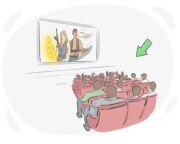
audience
audience
[noun]

a group of people who have gathered to watch and listen to a play, concert, etc.

Ex: He was nervous to speak in front of a large audience. 
Close
Sign in
skillful
skillful
[Adjective]

very good at doing something particular
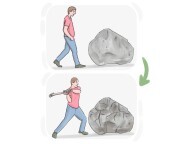
Ex: She is a skillful surgeon, known for her steady hands and precise techniques in the operating room. 
Close
Sign in
to tackle
to tackle
[Verb]

to try to deal with a difficult problem or situation in a determined manner

Ex: The team decided to tackle the project's complexity by breaking it into manageable tasks. 
Close
Sign in
essentially
essentially
[Adverb]

used to emphasize the nature or most important aspects of a person or thing

Ex: The new smartphone model is essentially an upgraded version of its predecessor, featuring improved performance and additional features. 
Close
Sign in
adrenaline

a body hormone produced in case of anger, fear, or excitement that makes the heart beat faster and the body react quicker

Ex: When faced with danger, the body releases adrenaline, triggering the fight-or-flight response. 
Close
Sign in
cortisol
cortisol
[noun]

a steroid hormone that the body produces and is used in medicine to help cure skin diseases
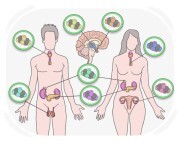
Ex: High levels of cortisol can increase stress and anxiety. 
Close
Sign in
hormone
hormone
[noun]

a chemical substance produced in the body of living things influencing growth and affecting the functionality of cells or tissues
Ex: Insulin, a hormone from the pancreas, controls blood sugar levels. 
Close
Sign in
to pump
to pump
[Verb]

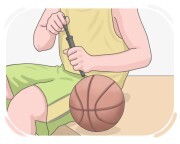
to make gas or liquid move in a certain direction using a mechanical action

Ex: He had to pump air into the bicycle tires to ensure a smooth ride. 
Close
Sign in
to expand
to expand
[Verb]

to increase the size, number, importance, or value of something

Ex: The company regularly expands its product offerings to reach a broader market. 
Close
Sign in
blood vessel

any tube structure inside the body through which blood can circulate, such as a vein, artery, etc.
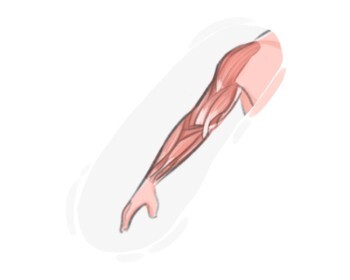
Ex: The surgeon carefully repaired the damaged blood vessel to restore proper circulation. 
Close
Sign in
muscle
muscle
[noun]

a piece of body tissue that is made tight or relaxed when we want to move a particular part of our body

Ex: He massaged his sore muscles to ease the tension. 
Close
Sign in
pressure
pressure
[noun]

(physics) the amount of force exerted per area that is measured in pascal, newton per square meter, etc.
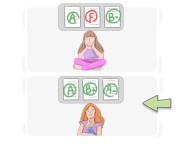
Ex: The pressure inside the scuba tank reached 200 atmospheres. 
Close
Sign in
consistently
consistently
[Adverb]

in a way that is always the same

Ex: He consistently delivers high-quality work on every project. 
Close
Sign in
to relate
to relate
[Verb]

to be linked or connected in a cause-and-effect relationship
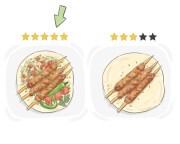
Ex: The rise in global temperatures relates directly to increased carbon emissions from human activities. 
Close
Sign in
superior
superior
[Adjective]

surpassing others in terms of overall goodness or excellence
Ex: The superior craftsmanship of the handmade furniture set it apart from mass-produced alternatives. 
Close
Sign in
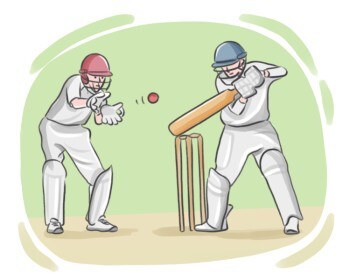
cricket
cricket
[noun]

a game played by two teams of eleven players who try to get points by hitting the ball with a wooden bat and running between two sets of vertical wooden sticks

Ex: Cricket requires a good understanding of strategy. 
Close
Sign in
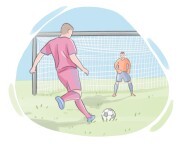
batting
batting
[noun]

(baseball) the batter's attempt to get on base
Close
Sign in
putting
putting
[noun]

hitting a golf ball that is on the green using a putter

Close
Sign in
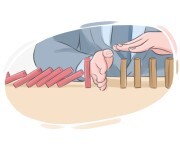
penalty
penalty
[noun]

(in games and sports) a disadvantage that a team or player is given for violating a rule
Close
Sign in
to inhibit

to restrict or reduce the normal activity or function of something
Ex: The brake system is designed to inhibit the movement of the vehicle when applied. 
Close
Sign in
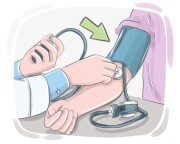
blood pressure

the pressure at which one's blood circulates one's body

Ex: High blood pressure, also known as hypertension, can lead to serious health issues if left untreated. 
Close
Sign in
response
response
[noun]

a physical or emotional reaction that happens as a result of a specific situation or event

Close
Sign in
heart rate

the number of times one's heart fills with and pumps out blood in one minute

Close
Sign in
in short
in short
[Adverb]

in a way that efficiently captures essential details without unnecessary elaboration
Ex: In short, the project aims to improve efficiency through automation. 
Close
Sign in
anxious
anxious
[Adjective]

(of a person) feeling worried because of thinking something unpleasant might happen

Ex: She felt anxious before her job interview, worrying about whether she would perform well. 
Close
Sign in
to perform

to carry out or execute a task, duty, action, or ceremony, often in a formal or official capacity

Ex: As part of the maintenance schedule, technicians will perform regular checks on the machinery to ensure optimal performance. 
Close
Sign in
to associate

to make a connection between someone or something and another in the mind

Ex: Many people associate the smell of freshly baked cookies with warmth and home. 
Close
Sign in
serve
serve
[noun]

the action of putting the ball or puck into play to start a point or match

Ex: The tennis player's serve was powerful and accurate. 
Close
Sign in
anxiety
anxiety
[noun]

a feeling of nervousness or worry about a future event or uncertain outcome

Ex: The upcoming presentation filled her with so much anxiety that her palms were sweaty. 
Close
Sign in
under pressure

stressful or anxious due to having too many tasks or responsibilities to handle within a limited time
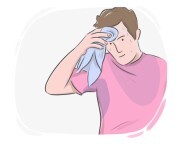
Ex: She was under pressure to finish the project by the end of the week. 
Close
Sign in
perspiration

a salty liquid produced by skin cells as a result of high temperature, exercising, etc.

Close
Sign in
palpitation

a heart beat that is very irregular or too fast

Ex: She experienced a sudden palpitation while climbing the stairs, causing her to pause and catch her breath. 
Close
Sign in
tremor
tremor
[noun]

a small or slight shaking, often caused by fear, excitement, or illness

Ex: Her hands had a tremor from nervousness. 
Close
Sign in
shortness of breath

a dyspneic condition

Close
Sign in
nausea
nausea
[noun]

the feeling of discomfort in the stomach, often with the urge to vomit
Ex: After the surgery, it was normal for patients to report mild nausea. 
Close
Sign in
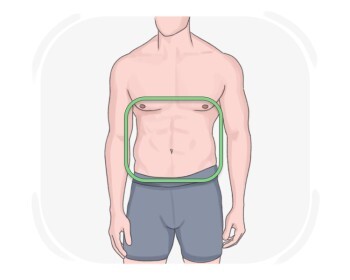
stomach
stomach
[noun]

the area of the body in a vertebrate located between the chest and the hips
Ex: He placed his hands on his stomach while taking deep breaths to calm himself. 
Close
Sign in
weakness
weakness
[noun]

lack of physical or mental strength

Ex: Fatigue is a common weakness after illness. 
Close
Sign in
desire
desire
[noun]

a very strong feeling of wanting to do or have something
Ex: Sarah's desire for adventure led her to travel to exotic destinations around the world. 
Close
Sign in
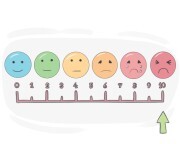
extreme
extreme
[Adjective]

very high in intensity or degree

Ex: The hikers faced extreme weather conditions during their ascent, including freezing temperatures and high winds. 
Close
Sign in
case
case
[noun]

an example of a certain kind of situation

Ex: In this case, we need to follow the company's emergency procedures. 
Close
Sign in
concentration

complete attention; intense mental effort

Close
Sign in
self-control

the ability to manage one's thoughts, emotions, and behaviors in order to achieve long-term goals and resist short-term temptations
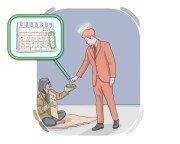
Ex: He showed great self-control by refusing to argue. 
Close
Sign in
intensity
intensity
[noun]

the degree or magnitude of a certain quality or attribute

Close
Sign in
to manifest

to clearly dispaly something

Ex: Her kindness manifested in the charity work she tirelessly pursued. 
Close
Sign in
nervousness

a state of being anxious, uneasy, or apprehensive, often characterized by physical symptoms such as sweating, trembling, or rapid heartbeat

Close
Sign in
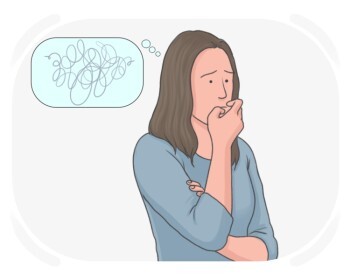
overthinking

the act of thinking too much about something, often making it seem more complicated or worrying than it really is
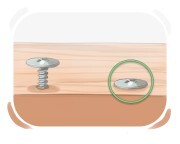
Ex: His overthinking made a simple decision feel impossible. 
Close
Sign in
to take
to take
[Verb]

(of a sports player) to kick, throw, or initiate play from a specified position

Ex: The star striker stepped up to take the penalty and expertly placed the ball into the bottom corner of the net. 
Close
Sign in
tight
tight
[Adjective]

stretched firmly

Ex: The rope was tight, holding the load securely. 
Close
Sign in
LanGeek
Download LanGeek app