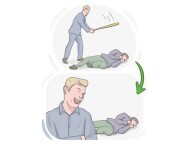
Essential Vocabulary for TOEFL - Mental Disorders
Here you will learn some English words about mental disorders, such as "anxiety", "mania", "PTSD", etc. that are needed for the TOEFL exam.
Review
Flashcards
Spelling
Quiz


an illness or condition that disrupts normal physical or mental functioning
(psychiatry) a mental disorder of constant nervousness and worry, in which one expects something bad to happen with no valid reason
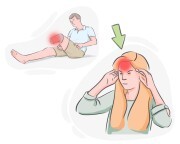
relating to the health or state of the mind, including aspects of emotional, psychological, and cognitive well-being
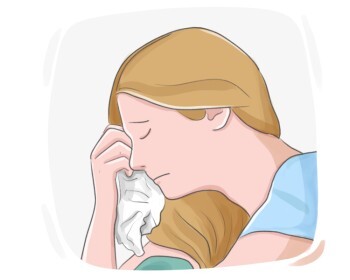
a mental health condition characterized by persistent sadness, loss of interest, and reduced energy or motivation
mental condition that causes extreme and unusual changes in one's energy level, mood, or emotions
a mental condition that happens when the brain is damaged by disease or injury, causing memory loss and impairing the ability to think or make decisions
a disorder that begins in early childhood, causing behavioral, social, and communication challenges
a state where a person is unusually active, is unable to stay focused or quiet for long, experienced mostly by children
a condition, experienced mostly by children, making them seem restless, unable to keep focus, and act impulsively
a disorder causing a person to have recurring unwanted thoughts or to do something such as cleaning or checking on something over and over
a disorder that is formed in a person who has experienced a very shocking or frightening event, causing them to have nightmares or flashbacks from the event
an unreasonable and persistent fear that others want to harm you
suffering from a mental condition that causes one to believe other people are trying to harm one
any mental illness characterized by different patterns of social behavior, inability to form healthy interpersonal relationships and to function normally in society
someone with a severe mental condition that makes them prone to violent or antisocial behavior
someone with a mental condition characterized by impulsive behavior, impaired remorse, and indifference to other people's feelings
a chronic mental disorder in which a person's ability to think, feel or behave is affected, often associated with the distortion of reality
(of a mental condition) affecting brain processes so severely that makes one unable to tell the difference between reality and fantasy
a mental illness that causes a person to act impulsively, to experience severe shifts in mood, and to be unable to form interpersonal relationships
a chronic mental health condition marked by episodes of mania and depression
a psychological condition in which there are more than one personality in a person, each personality has different memories and patterns of behavior
a disorder in which one is unable to sleep or stay asleep
a severe medical condition that leads to partial or complete loss of memory
a medical condition of the mind caused by extreme shock, which could last for a very long time
the action of intentionally harming oneself, usually as a result of a mental disorder
a group of partly or completely repressed emotions or impulses that affect a person's behavior and patterns of thought
gaining sexual satisfaction from being physically or mentally harmed or controlled