
Libro Street Talk 1 - Lección 9
Aprende el vocabulario, las expresiones informales y el inglés conversacional que aparecen en Street Talk 1 Lección 9.
Revisión
Tarjetas de memoria
formas
Ortografía
Cuestionario

![to [catch] {sb} with {one's} pants down](https://cdn.langeek.co/photo/47312/thumb/350?type=jpeg "to [catch] {sb} with {one's} pants down")
to unexpectedly expose or confront someone in an embarrassing situation

pillar en una situación embarazosa, dejar al descubierto
Intentó sonar seguro, pero la pregunta de seguimiento lo dejó en evidencia.
![to [catch] {sb} red-handed](/assets/img/no-pic-700w.png "to [catch] {sb} red-handed")
to arrest or see someone the moment they are doing something that is illegal or dishonest
pillar a alguien con las manos en la masa, sorprender a alguien en pleno acto
El dueño de la tienda pilló al niño con las manos en la masa metiéndose caramelos en el bolsillo.
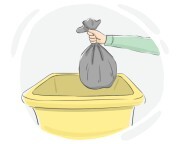
to get rid of waste material, particularly in an unorganized manner
tirar
Las autoridades instalaron cámaras de vigilancia para atrapar a aquellos que arrojan basura al borde de la carretera.
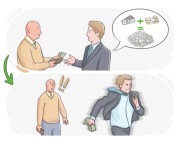
to be deceived or tricked by someone or something
caer en la trampa, ser engañado
A pesar de las advertencias de sus amigos, cayó en las tácticas persuasivas del vendedor deshonesto.
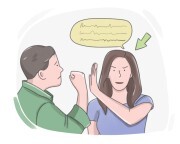
used to express anger and the fact that someone does not care about someone or something
que le den a eso, me importa un carajo
Me importa un carajo; si no respetan mi tiempo, me voy.
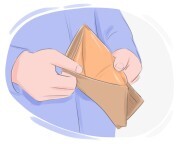
having finished one's supply of something very recently
recién sin algo, se acaba de agotar
Lo siento, hoy se nos acaba de agotar la paciencia.
to be entertained, delighted, or excited by someone or something
disfrutar mucho de algo, sacarle mucha gracia a algo
Los niños disfrutaron mucho dando de comer a los patos en el parque.
to understand something by hearing it
entender, captar
Era un ambiente ruidoso, y no pude entender la mayor parte de la conversación.
to put a sudden stop to something one was doing for some time
dejar algo por un rato, parar con algo
¿Podemos dejar la discusión del presupuesto hasta mañana?
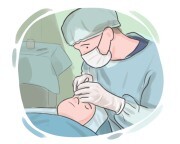
used when someone is about to undergo a medical operation
bajo el bisturí, ser operado
Ya ha pasado por el bisturí tres veces.
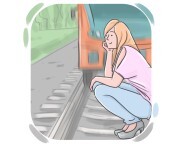
behaving in a crazy or irrational manner
loco, chiflado
Ella se volvió loca cuando vio la factura.
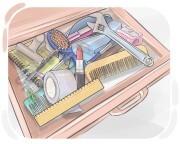
various small things that have no importance or value
trastos y cachivaches, cosillas sin importancia
En la estantería había libros, cables viejos y otros trastos.
used of a person whose mind is busy with the thought of a particular person or thing and cannot think of anyone or anything else
mente de una sola idea, idea fija
No esperes que hable de otra cosa; hoy tiene una sola cosa en la cabeza.
to purchase something
comprar, adquirir
Lo compré en una tienda vintage del centro.
to figure out why things are the way they are and be able to identify the reason
dar con la clave, encontrar el porqué
Nadie lograba explicar por qué el plan parecía arriesgado.
personal belongings or possessions
cosas, pertenencias
Llevaba sus cosas en una mochila grande.
![to [get|take|keep] {one's} mind off {sth}](https://cdn.langeek.co/photo/46354/thumb/350?type=jpeg "to [get|take|keep] {one's} mind off {sth}")
to distract someone's attention or thoughts away from something, typically something stressful, worrisome, or unpleasant
distraerse de algo, quitarse algo de la cabeza
Se mantuvo ocupado en el jardín para quitarse el dolor de la cabeza.
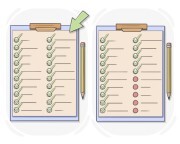
in a complete and absolute way
totalmente
La ciudad era totalmente diferente de lo que recordaba.

used to express mild concern, surprise, or anticipation of a problem or mishap
uh-oh, uy
Oh oh, necesitamos arreglar este error tipográfico antes de enviar el informe.
someone who is feeling disappointed, down, or depressed, often due to a situation not going as expected
fracasado, deprimido
Después de la ruptura, se convirtió en un fracasado.
to empty something, such as a stock, merchandise, or money
vaciar, desvalijar
Ella agotó sus ahorros para pagar las vacaciones.
to become aware of something, often used when someone is slow to understand a situation or misses obvious signs
a person's nose, especially a very large one
used to comment on someone's unexpected or unkempt arrival, typically when they appear disheveled, tired, or out of place
used to draw attention to something or someone, often in a surprised, impressed, or excited tone
¡Mira!, ¡Fíjate!
Mira este movimiento de baile loco que acabo de aprender.
to tease, mock, or harass someone, usually in a lighthearted or persistent manner
burlarse de, tomar el pelo a
A los niños mayores les encanta burlarse de los más pequeños durante el recreo.
to eat a large quantity of food quickly and greedily, often with little regard for manners or the amount consumed
used to express surprise, astonishment, or sometimes dismay, often in a humorous or old-fashioned
¡Cielos a Betsy!, ¡Dios mío a Betsy!
Cielos a Betsy, ¡qué giro de los acontecimientos!
a large or overweight woman
Gran Berta, Berta Grande
Siempre estaba molestando a Big Bertha, pero ella nunca parecía importarle.
used to affirm or agree with something, often with added emphasis
sí señor, Bob
"¿Ya terminaste ese proyecto?" "Sí, señor mío, ¡lo hice!"

an obnoxious, rude, or inconsiderate person
gilipollas, capullo
Siempre actúa como un gilipollas cuando no consigue lo que quiere.
to stop working properly, malfunction, or break down. Often used to describe a machine or system that has failed
averiarse, fallar
Parece que el software dejó fuera de servicio toda la red.
used to express surprise, emphasis, or sometimes excitement
Por George, ¡Vaya por George!
Por George, ¡finalmente lo he entendido!
to leave a location, usually to embark on a journey or trip
ponerse en marcha, salir de viaje
Se está haciendo tarde; creo que deberíamos irnos.
used to emphasize the state of insignificance, emptiness, or dissatisfaction
una mierda, nada de nada
Prometieron un bono, pero en cambio nos dieron una mierda.
extremely quickly or almost instantaneously
a term used to refer to an average or ordinary person, often in a dismissive or humorous way
Fulano de Tal, Juan Pérez
No puedo creer que Fulano de Tal haya podido resolver ese problema, generalmente es todo un desafío.
someone who is very prompt, reliable, and available when needed, especially in a situation requiring immediate action
used to indicate that something is absolutely not going to happen or is completely unacceptable, often in a playful or exaggerated manner
ni hablar, José
Se colaron en el concierto—ni hablar, José.
a man who is charming, attractive, and often romantically involved with many women
un Don Juan, un seductor
Cada vez que entra en una habitación, actúa como el Don Juan del grupo.
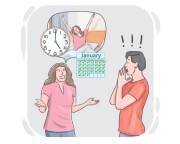
used to convey surprise, annoyance, or disbelief
Dios mío, Vaya por Dios
Geez Louise, no puedo creer este tráfico.
used to express frustration, annoyance, or emphasis. It's often used when someone is irritated or trying to convey impatience about something
por el amor de Dios, por favor
¿Puedes apurarte, por el amor de Dios? ¡Vamos a llegar tarde!
used to express surprise, frustration, or disbelief
Por el amor de alguien o algo, Por el bien de alguien o algo
Por el amor de la paz, ¿podemos finalmente ponernos de acuerdo en algo?
