pattern

Street Talk 2 - A Closer Look 2: Lesson 4

Continue exploring vocabulary, expressions, meanings, and usage from Street Talk 2 Lesson 4 in this second closer-look section.

Review

Flashcards

Spelling

Quiz
Start learning
Street Talk 2
vibrato
vibrato
[noun]

a slight, rapid variation in pitch and intensity of a note

Ex: The singer's expressive vibrato added warmth and emotion to the aria. 
Close
Sign in
virtuoso
virtuoso
[noun]

someone who is highly skilled at playing a musical instrument

Ex: The young pianist was hailed as a virtuoso, astonishing audiences with his technical brilliance and emotional depth. 
Close
Sign in
ad hoc
ad hoc
[Adverb]

for a certain purpose, especially an immediate one

Ex: The emergency services were assembled ad hoc to deal with the unexpected flood. 
Close
Sign in
ad infinitum
ad infinitum
[Adverb]

in a way that occurs continuously without a limit

Ex: They vowed to love each other ad infinitum, beyond the bounds of time. 
Close
Sign in
to ad lib
to ad lib
[Verb]

to say or perform something spontaneously without prior preparation

Ex: The actor had to ad lib when he forgot his lines during the play. 
Close
Sign in
ad nauseam
ad nauseam
[Adverb]

excessively repeated to the point of annoyance

Ex: He explained his conspiracy theory ad nauseam, ignoring all counterarguments. 
Close
Sign in
alma mater

the university, college, or school that one used to study at

Ex: She returned to her alma mater to give a guest lecture. 
Close
Sign in
alter ego
alter ego
[noun]

one's other personality, particularly one that greatly differs from what one often shows

Close
Sign in
alumnus
alumnus
[noun]

a person, particularly a male one, who is a former student of a college, university, or school
Ex: The university recognized John Smith as an outstanding alumnus for his contributions to the field of medicine. 
Close
Sign in
a.m.
a.m.
[Adverb]

between midnight and noon

Ex: Don't forget, your flight is at 6 a.m. tomorrow. 
Close
Sign in
p.m.
p.m.
[Adverb]

after noon and before midnight

Ex: I'll pick you up at 2 p.m. for the doctor's appointment. 
Close
Sign in
bona fide
bona fide
[Adjective]

genuine and not fake

Ex: The seller assured the buyer that the watch was bona fide, with all the original documents and warranty. 
Close
Sign in
platonic
platonic
[Adjective]

(of a relationship) characterized by emotional closeness without romantic or sexual elements

Ex: They shared a platonic friendship built on mutual respect and understanding. 
Close
Sign in
stoic
stoic
[Adjective]

not displaying emotions and not complaining, especially in difficult and painful situations
Ex: He remained stoic despite the challenging circumstances. 
Close
Sign in
thespian
thespian
[noun]

an actor or actress who performs on stage or in film

Ex: The award-winning thespian delivered a stunning performance in the play. 
Close
Sign in
typhoon
typhoon
[noun]

a tropical storm with violent winds moving in a circle that form over the western Pacific Ocean
Ex: The typhoon brought heavy rain and strong winds, causing widespread damage to homes and infrastructure. 
Close
Sign in
a capella
a capella
[Adjective]

sung without instrumental accompaniment

Close
Sign in
accelerando
accelerando
[Adverb]

(music) with gradually increasing speed
Ex: The pianist played the final passage accelerando. 
Close
Sign in
agitator
agitator
[noun]

one who agitates; a political troublemaker

Close
Sign in
al dente
al dente
[Adjective]

(of food, particularly pasta) cooked just enough to still have a firm texture when bitten into, without being overly soft or mushy

Close
Sign in
allegretto
allegretto
[Adverb]

(music) at a moderately fast tempo, but more slowly than allegro

Ex: Play this passage allegretto. 
Close
Sign in
allegro
allegro
[noun]

a brisk and lively tempo

Close
Sign in
andante
andante
[Adjective]

(of tempo) moderately slow

Close
Sign in
aria
aria
[noun]

a long, elaborate song that is melodious and is intended for a solo voice, especially in an opera

Close
Sign in
arpeggio
arpeggio
[noun]

a musical technique where the notes of a chord are played individually in a sequence rather than simultaneously

Ex: In the classical guitar piece, the musician showcased his skill with a beautiful arpeggio, highlighting the individual notes of the chord. 
Close
Sign in
tempo
tempo
[noun]

the speed that a piece of music is or should be played at

Ex: The conductor adjusted the tempo to match the mood of the piece. 
Close
Sign in
cantata
cantata
[noun]

a vocal composition with instrumental accompaniment, typically structured in multiple movements and often involving a choir, soloists, and orchestra

Ex: Bach's church cantatas are masterpieces of Baroque sacred music. 
Close
Sign in
cappuccino

a type of coffee made from espresso mixed with hot milk or cream

Ex: She ordered a cappuccino with a sprinkle of cinnamon on top for a flavorful morning pick-me-up. 
Close
Sign in
coloratura

a type of soprano singer known for their ability to perform intricate and embellished vocal passages

Ex: The coloratura's performance of the aria was breathtaking, with her agile voice effortlessly navigating the intricate passages. 
Close
Sign in
allegro con spirito

a lively and spirited allegro passage or movement

Ex: The allegro con spirito opens with a vigorous orchestral theme. 
Close
Sign in
contralto
contralto
[noun]

a female singer with the lowest singing voice

Close
Sign in
crescendo
crescendo
[Adjective]

(of sound) characterized by a progressive amplification

Ex: The orchestra played a crescendo passage that built suspense. 
Close
Sign in
diminuendo
diminuendo
[Adjective]

(music) gradually decreasing in volume

Close
Sign in
falsetto
falsetto
[noun]

a singer that uses a male singing voice that extends over the range of a tenor voice

Close
Sign in
forte
forte
[Adjective]

played or sung loudly or with strong emphasis

Ex: The orchestra reached a forte passage in the symphony, filling the concert hall with powerful sound. 
Close
Sign in
fortissimo
fortissimo
[Adjective]

performed or intended to be performed very loudly and forcefully

Ex: A fortissimo chord ended the first movement. 
Close
Sign in
glissando
glissando
[Adverb]

(musical direction) in the manner of a glissando (with a rapidly executed series of notes)
Close
Sign in
grave
grave
[Adjective]

serious, dignified, and solemn in manner or character

Ex: Michael wore a grave expression as he entered the courtroom. 
Close
Sign in
incognito
incognito
[Adverb]

in disguise or using a false identity to avoid being recognized

Ex: She traveled incognito to avoid recognition at the event. 
Close
Sign in
larghetto
larghetto
[Adjective]

used to describe a moderately slow tempo, slower than andante but faster than largo

Ex: The second movement is played larghetto, giving it a relaxed feel. 
Close
Sign in
largo
largo
[noun]

a musical piece that is intended to be performed at a very slow tempo and in a serious manner

Close
Sign in
lento
lento
[Adjective]

(music) having a slow tempo

Ex: The piece opens with a lento passage in the strings. 
Close
Sign in
maestro
maestro
[noun]

a person who is an expert or master in conducting or directing an orchestra or musical performance

Close
Sign in
mezzo-soprano

a type of classical female singing voice situated between the soprano and contralto ranges

Ex: The choral arrangement highlighted the mezzo-soprano's agile range, blending seamlessly with the other vocal parts. 
Close
Sign in
mezzo voce

a moderate or half voice, meaning to sing or play at a medium volume, not too loud or too soft

Ex: The singer performed the aria mezzo voce, giving it a soft, intimate quality. 
Close
Sign in
partita
partita
[noun]

a musical suite, typically a collection of dance movements, often in the Baroque period

Ex: Bach's partita for keyboard includes a variety of lively dance movements. 
Close
Sign in
pianissimo

(music) a passage or section performed at a very low volume

Ex: The movement ends with a delicate pianissimo. 
Close
Sign in
piano
piano
[Adverb]

softly or at a relatively low volume, as a direction in music

Ex: The opening should be played piano and without any sudden accents. 
Close
Sign in
pizzicato
pizzicato
[Adjective]

played by pulling and releasing the strings with the fingers rather than using a bow

Ex: The piece begins with soft pizzicato notes in the violins. 
Close
Sign in
presto
presto
[Adjective]

(of tempo) very fast

Close
Sign in
prima donna

the main female singer in an opera or opera company

Close
Sign in
rubato
rubato
[noun]

a flexible tempo; not strictly on the beat

Close
Sign in
sforzando
sforzando
[noun]

a musical marking indicating that a note should begin with a strong attack
Ex: The violinist followed the sforzando marking in the opening measure. 
Close
Sign in
soprano
soprano
[noun]

a female or young male singer with a singing voice that has the highest range

Ex: The soprano captivated the audience with her clear, high notes that resonated throughout the concert hall. 
Close
Sign in
staccato
staccato
[Adjective]

playing or singing musical notes with short, distinct intervals between them

Ex: The pianist's fingers danced across the keys, producing a staccato melody. 
Close
Sign in
caveat
caveat
[noun]

a warning that a particular action should be avoided
Ex: The guide includes a caveat against hiking alone. 
Close
Sign in
ego
ego
[noun]

an inflated feeling of pride in your superiority to others

Close
Sign in
etc.
etc.
[Adverb]

continuing in the same way

Close
Sign in
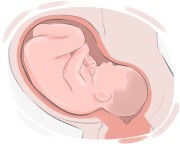
fetus
fetus
[noun]

an offspring of a human or animal that is not born yet, particularly a human aged more than eight weeks after conception
Ex: The ultrasound showed that the fetus was developing normally. 
Close
Sign in
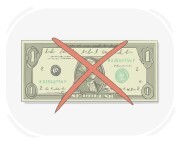
gratis
gratis
[Adverb]

without costing anything

Ex: The store offered free samples of their new product gratis to customers. 
Close
Sign in
hypothesis

a proposed explanation for a situation or set of facts that has not yet been proved

Ex: One hypothesis is that the decline was caused by changing consumer habits. 
Close
Sign in
i.e.
i.e.
[Adverb]

used to introduce a word or statement that explains or clarifies exactly what has just been said

Ex: The meeting is on Friday, i.e., the last working day of the week. 
Close
Sign in
in absentia
in absentia
[Adverb]

while absent; although absent

Close
Sign in
libido
libido
[noun]

(psychology) the mental energy or drive connected with sexual desire

Ex: Stress and fatigue can lower a person's libido. 
Close
Sign in
magna cum laude
magna cum laude
[Adjective]

with high honor; with high academic distinction

Close
Sign in
per capita
per capita
[Adverb]

per person

Ex: The income per capita in this country has increased significantly. 
Close
Sign in
per se
per se
[Adverb]

used to describe something as it is, without comparing it to other things

Ex: The comment wasn't offensive per se, but it did raise eyebrows due to its tone. 
Close
Sign in
persona
persona
[noun]

(psychology) a person's social representation or the impression other's have of a certain individual which is concealing the true self

Close
Sign in
postmortem
postmortem
[Adjective]

occurring, performed, or obtained after death

Ex: Postmortem examination confirmed extensive internal injuries. 
Close
Sign in
post scriptum

an additional thought or comment added after the main body of a letter or document, usually after the signature

Ex: I forgot to tell you in the letter, post scriptum, I’ll be arriving next Monday instead of Tuesday. 
Close
Sign in
proforma
proforma
[noun]

something done as a formality or for the sake of procedure, often without necessarily having practical significance

Ex: The proforma invoice was sent to the client, although the final payment details were yet to be finalized. 
Close
Sign in
quantum
quantum
[noun]

the smallest possible amount of a particular quantity that cannot be divided any further

Ex: The behavior of subatomic particles is governed by the principles of quantum mechanics. 
Close
Sign in
rectum
rectum
[noun]

the final part of the large intestine where waste is collected before being passed through the anus

Close
Sign in
scrotum
scrotum
[noun]

a pouch of skin that houses the testicles in the male reproductive system

Close
Sign in
sputum
sputum
[noun]

mucus or phlegm that is coughed up from the respiratory tract, typically as a result of infection or disease

Ex: The doctor asked the patient to provide a sample of sputum for laboratory analysis. 
Close
Sign in
status
status
[noun]

the condition or situation of something or someone at a particular moment in time

Ex: The doctor checked the patient's status after the surgery. 
Close
Sign in
status quo

the situation or condition that is currently at hand
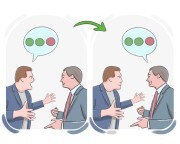
Ex: The committee decided to maintain the status quo rather than implementing new changes. 
Close
Sign in
verbatim
verbatim
[Adverb]

in exactly the same words as used originally

Ex: She repeated the instructions verbatim so nothing would be missed. 
Close
Sign in
vice versa
vice versa
[Adverb]

with the order or relations reversed

Ex: She helps him with his math homework, and vice versa, he helps her with science projects. 
Close
Sign in
aficionado

a person who is knowledgeable and enthusiastic about a particular activity, subject, or interest
Ex: She is an aficionado of fine wines and can recommend the best ones. 
Close
Sign in
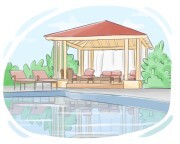
cabana
cabana
[noun]

a hut, shelter, or cabin, usually at a swimming pool or beach

Ex: The resort's cabanas lined the poolside, offering guests a private retreat to relax in the shade. 
Close
Sign in
cantina
cantina
[noun]

a bar or small restaurant, often one that serves wine or alcoholic beverages, especially in Mediterranean countries

Ex: We grabbed a drink at the local cantina after the concert. 
Close
Sign in
chaparral
chaparral
[noun]

dense vegetation consisting of stunted trees or bushes

Close
Sign in
chicano
chicano
[noun]

a person of Mexican descent

Close
Sign in
gringo
gringo
[noun]

a Latin American (disparaging) term for foreigners (especially Americans and Englishmen)

Close
Sign in
hasta la vista
hasta la vista
[interjection]

***until the (next) view : see you later

Close
Sign in
hasta mañana

used to say "see you tomorrow," often used as a friendly farewell when you expect to meet someone again the next day

Ex: It was great catching up!  Hasta mañana, my friend! 
Close
Sign in
incommunicado
incommunicado
[Adjective]

without the means or right to communicate

Close
Sign in
macho
macho
[Adjective]

strongly masculine, often in appearance or manner
Ex: He wore a macho leather jacket. 
Close
Sign in
matador
matador
[noun]

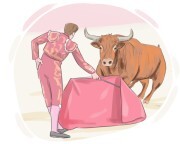
the principal bullfighter who is appointed to make the final passes and kill the bull

Close
Sign in
mucho
mucho
[Adverb]

used to express a large quantity or degree of something, meaning "much," "a lot," or "many" depending on context

Ex: I appreciate it mucho for helping me with the project. 
Close
Sign in
padre
padre
[noun]

a Christian clergyman serving as a chaplain in the armed forces

Ex: The padre held a short service for the troops before their deployment. 
Close
Sign in
poncho
poncho
[noun]

a simple, sleeveless outer garment, worn over the body to provide warmth and protection from the elements

Close
Sign in
pronto
pronto
[Adverb]

without wasting any time; immediately

Ex: I need that report pronto, we're already running late! 
Close
Sign in
Senor
Senor
[noun]

a Spanish title or form of address for a man; similar to the English `Mr' or `sir'

Close
Sign in
Senora
Senora
[noun]

a Spanish title or form of address for a married woman; similar to the English `Mrs' or `madam'

Close
Sign in
ma'am
ma'am
[noun]

a woman of refinement

Close
Sign in
Senorita
Senorita
[noun]

a Spanish title or form of address used to or of an unmarried girl or woman; similar to the English `Miss'

Close
Sign in
sombrero
sombrero
[noun]

a felt or straw hat with a wide brim and a tall crown, typically worn by Mexican men

Close
Sign in
bagel
bagel
[noun]

a Yiddish term for a doughnut-shaped, yeast-leavened roll with a shiny, firm crust

Ex: She learned to make traditional bagels from a Yiddish cookbook. 
Close
Sign in
LanGeek
Download LanGeek app