pattern

Lista de Palabras Nivel B1 - Derecho y Política

Aquí aprenderás algunas palabras en inglés sobre derecho y política, como "border", "council", "ballot", etc. preparadas para estudiantes de B1.

Revisión

Tarjetas de memoria

formas

Ortografía

Cuestionario

Empezar a aprender
CEFR B1 Vocabulary
politics
politics
[Sustantivo]

a set of ideas and activities involved in governing a country, state, or city

política

política

Ex: After years of studying law and international relations, she decided to enter politics to make meaningful changes in her country. 
candidate
candidate
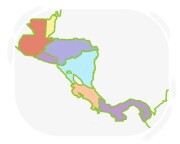
[Sustantivo]

someone who is competing in an election or for a job position

candidato
candidato

Ex: The candidate for mayor gave an inspiring speech at the rally. 
border
border
[Sustantivo]

a line that separates two countries, provinces, or states from each other

frontera

frontera

Ex: Diplomatic tensions can escalate when disputes arise over the delineation of borders between nations. 
Congress
Congress
[Sustantivo]

the legislative body of the United States, consisting of the Senate and the House of Representatives

congreso

congreso

Ex: Congress passed a new healthcare bill. 
council
council
[Sustantivo]

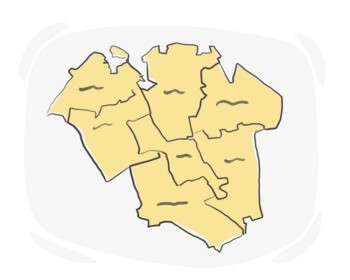
a group of elected people who govern a city, town, etc.

concejo municipal
concejo municipal

Ex: She was elected to serve on the local council. 
county
county
[Sustantivo]

(in the US) one of the areas into which a state is divided and has a local government of its own

condado

condado

Ex: The county fair is an annual event that draws people from all over the region to celebrate agriculture and community. 
court
court
[Sustantivo]

the place in which legal proceedings are conducted

tribunal

tribunal

Ex: In family court, judges handle matters such as divorce, child custody, and domestic violence disputes. 
diplomacy
diplomacy
[Sustantivo]

the job, skill, or act of managing the relationships between different countries

diplomacia

diplomacia

Ex: Diplomacy helped prevent the two nations from going to war. 
election
election
[Sustantivo]

the process in which people choose a person or group of people for a position, particularly a political one, through voting

elecciones
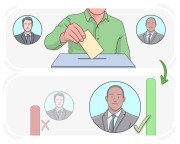
elecciones

Ex: The upcoming election will determine the next leader of our country, shaping the direction of government policies and priorities. 
to elect
to elect
[Verbo]

to choose a person for a specific job, particularly a political one, by voting

elegir

elegir

Ex: Citizens will elect a new mayor in the upcoming municipal elections. 
embassy
embassy
[Sustantivo]

the ambassador and the staff who represent their government in a foreign country

embajada

embajada

Ex: The embassy attended the peace conference as official representatives of their nation. 
government
government
[Sustantivo]

the group of politicians in control of a country or state

gobierno

gobierno

Ex: The government implemented new policies to improve the country's healthcare system and make it more accessible to all citizens. 
local government
local government
[Sustantivo]

the government of a city or town and not of a country

gobierno local

gobierno local

governor
governor
[Sustantivo]

a person who is in charge of a state, region, or territory

gobernador

gobernador

Ex: The governor signed a new law for the state. 
law
law
[Sustantivo]

a country's rules that all of its citizens are required to obey

ley

ley

Ex: Breaking the law can result in serious consequences. 
mayor
mayor
[Sustantivo]

someone who is elected to be the head of a town or city

alcalde

alcalde

Ex: The mayor announced new plans for public transportation. 
parliament
parliament
[Sustantivo]

the group of elected representatives whose responsibility is to create, amend, and discuss laws or address political matters

parlamento

parlamento

Ex: The parliament convened to debate the proposed healthcare reform bill. 
party
party
[Sustantivo]

an official political group with shared beliefs, goals, and policies aiming to be a part of or form a government

partido
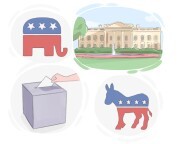
partido

Ex: The political party held a rally to mobilize supporters and promote its platform ahead of the upcoming election. 
political
political
[Adjetivo]

related to or involving the governance of a country or territory

político

político

Ex: Political debates often revolve around issues such as taxation, healthcare, and national security. 
president
president
[Sustantivo]

the leader of a country that has no king or queen

presidente
presidente

Ex: The president addressed the nation in a televised speech. 
public
public
[Sustantivo]

a society's ordinary people

público

público

Ex: The politician promised to serve the interests of the public. 
punishment
punishment
[Sustantivo]

the act of making someone suffer because they have done something illegal or wrong

castigo

castigo

Ex: The judge handed down a severe punishment to the convicted criminal, sentencing them to several years in prison. 
right
right
[Sustantivo]

a thing that someone is legally, officially, or morally allowed to do or have

legítimo

legítimo

Ex: Everyone has the right to free speech. 
to arrest
to arrest
[Verbo]

(of law enforcement agencies) to take a person away because they believe that they have done something illegal

arrestar

arrestar

Ex: The police officer decided to arrest the suspect after gathering sufficient evidence. 
to ban
to ban
[Verbo]

to officially forbid a particular action, item, or practice

prohibir

prohibir

Ex: Certain fishing practices were banned to protect endangered marine species. 
state
state
[Sustantivo]

one of the political areas with limited law-making abilities that together form a federal country, like those of Germany or the US

estado

estado

Ex: California is the most populous state in the United States, known for its diverse culture and economy. 
to commit
to commit
[Verbo]

to do a particular thing that is unlawful or wrong

cometer

cometer

Ex: He was arrested for attempting to commit fraud by falsifying financial documents. 
to escape
to escape
[Verbo]

to get away from captivity

escaparse de

escaparse de

Ex: Every day, the prisoners plan how to escape from their cells. 
to investigate

to try to find the truth about a crime, accident, etc. by carefully examining its facts

investigar

investigar

Ex: The police were called to investigate the suspicious death. 
to murder
to murder
[Verbo]

to unlawfully and intentionally kill another human being

asesinar, matar
asesinar, matar

Ex: The prosecutor accused the defendant of plotting to murder the victim. 
to punish
to punish
[Verbo]

to cause someone suffering for breaking the law or having done something they should not have

castigar

castigar

Ex: The court decided to punish the thief with a prison sentence for stealing. 
to rule
to rule
[Verbo]

to control and be in charge of a country

gobernar

gobernar

Ex: The monarch ruled the kingdom with absolute authority. 
thief
thief
[Sustantivo]

someone who steals something from a person or place without using violence or threats

ladrón, ratero

ladrón, ratero

Ex: The thief was caught on camera as he sneaked into the store and took a handful of electronics. 
to vote
to vote
[Verbo]

to show which candidate one wants to win in an election or which plan one supports, by marking a piece of paper, raising one's hand, etc.

votar

votar

Ex: Citizens regularly vote in elections to choose their representatives. 
conference
conference
[Sustantivo]

an official meeting where a group of people discuss a certain matter, which often continues for days

conferencia

conferencia

Ex: The annual tech conference attracts thousands of professionals from around the world. 
statement
statement
[Sustantivo]

an official announcement regarding something specific

declaración

declaración

flag
flag
[Sustantivo]

a piece of cloth with a mark or pattern that stands for a country, organization, etc.

bandera

bandera

Ex: The American flag was raised during the ceremony. 
blood money
blood money
[Sustantivo]

an amount of money given by law to the close relatives of a murdered victim

dinero de sangre, precio de la sangre

dinero de sangre, precio de la sangre

to free
to free
[Verbo]

to release someone from captivity or arrest

liberar
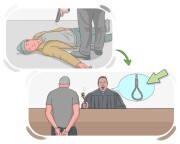
liberar

Ex: The police decided to free the suspect due to a lack of evidence. 
death penalty
death penalty
[Sustantivo]

the punishment of killing a criminal, which is officially ordered by a court

pena de muerte, condena a muerte

pena de muerte, condena a muerte

Ex: The court sentenced him to the death penalty. 
criminal
criminal
[Adjetivo]

related to or involving illegal activities

criminal

criminal

Ex: The new law aims to reduce criminal activity by increasing penalties for repeat offenders. 
criminal
criminal
[Sustantivo]

a person who does or is involved in an illegal activity

criminal

criminal

Ex: The police arrested the criminal after a long investigation. 
LanGeek
Descargar la aplicación LanGeek