pattern

Lista de Palabras Nivel C1 - Libros

Aquí aprenderás algunas palabras en inglés sobre libros, como "appendix", "footnote", "inspiration", etc. preparadas para estudiantes de C1.

Revisión

Tarjetas de memoria

Ortografía

Cuestionario

Empezar a aprender
CEFR C1 Vocabulary
title page
title page
[Sustantivo]

the page at the front of a book that the names of the book, its author, and publisher are printed on it

portada, carátula

portada, carátula

Ex: The title page of the report featured the project's title in bold letters centered at the top. 
appendix
appendix
[Sustantivo]

a separate part at the end of a book that gives further information

apéndice

apéndice

Ex: The appendix of the research paper contained supplementary tables and charts referenced in the main text. 
footnote
footnote
[Sustantivo]

an extra piece of information that is placed at the bottom of a printed page

nota a pie de página

nota a pie de página

Ex: In her academic paper, she included a footnote to provide additional context for a complex term. 
backstory
backstory
[Sustantivo]

the events that have happened to a character before their story in a book, movie, etc. begins

trasfondo

trasfondo

Ex: The author revealed the protagonist's tragic backstory through a series of flashbacks scattered throughout the novel. 
characterization
characterization
[Sustantivo]

the way in which characters in a movie, book, etc. are created and represented by a writer

caracterización

caracterización

Ex: The author's skillful characterization brought the protagonist to life, making the reader empathize with her struggles and triumphs. 
narration
narration
[Sustantivo]

the way of telling or explaining a story, particularly in a movie, novel, etc.

narración

narración

Ex: The first-person narration allowed readers to experience the protagonist's inner thoughts and emotions firsthand. 
the first-person
the first-person
[Sustantivo]

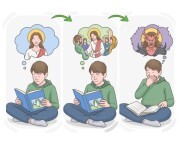
a way of telling or writing a story in which things happen to the narrator and the story revolves around them

primera persona
primera persona

Ex: In the first-person narrative, the protagonist recounts the events of the story from their own perspective, offering intimate insights into their thoughts and feelings. 
twist
twist
[Sustantivo]

an unexpected turn in the course of events

giro inesperado

giro inesperado

Ex: The novel's plot contained a surprising twist that left readers stunned. 
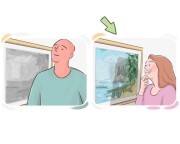
inspiration
inspiration
[Sustantivo]

a mental spark that drives unusual creativity or activity

inspiración

inspiración

Ex: The serene landscape sparked an inspiration in the writer’s mind. 
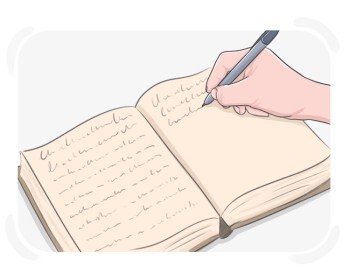
to co-author

to write a book, article, bill, etc. with another author

escribir conjuntamente

escribir conjuntamente

Ex: She co-authored several research papers with colleagues from different universities. 
to compose
to compose
[Verbo]

to write a literary piece with a lot of consideration

escribir

escribir

Ex: After months of research, she finally composed a compelling essay on environmental conservation. 
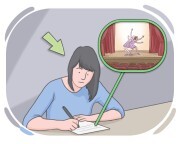
to jot down

to make a note of something in a hurried and informal style

anotar, apuntar

anotar, apuntar

Ex: I need to jot down the main points of the meeting for the report. 
to proofread

to read and correct the mistakes of a written or printed text

corregir las pruebas de, corregir

corregir las pruebas de, corregir

Ex: Before submitting her essay, she asked her friend to proofread it for any typos or grammatical errors. 
to script
to script
[Verbo]

to write the words used in a movie, play, etc.

escribir el guion de

escribir el guion de

Ex: The playwright diligently scripted a compelling drama that resonated with the audience. 
autobiography
autobiography
[Sustantivo]

the story of the life of a person, written by the same person

autobiografía

autobiografía

Ex: He wrote an autobiography to share his life story with the world. 
comic strip
comic strip
[Sustantivo]

a series of cartoons in boxes that narrate a story

historieta, tira cómica

historieta, tira cómica

Ex: Every Sunday, she eagerly awaited the newspaper to read her favorite comic strip. 
fable
fable
[Sustantivo]

a short story on morality with animal characters

fábula

fábula

Ex: The fable of "The Tortoise and the Hare" teaches us that slow and steady wins the race. 
pamphlet
pamphlet
[Sustantivo]

a small book with a paper cover giving information about a particular subject

folleto

folleto

Ex: The health clinic distributed pamphlets about nutrition and exercise to promote healthy lifestyle habits. 
hardcover
hardcover
[Sustantivo]

a book with a cover made from stiff material such as cardboard, leather, etc.

libro	de tapa dura

libro de tapa dura

Ex: He opted for the hardcover, knowing it would withstand the wear and tear of frequent readings. 
paperback
paperback
[Sustantivo]

a book with a cover that is made of thick paper

libro en rústica, edición rústica

libro en rústica, edición rústica

Ex: She preferred the paperback because it was lightweight and easy to carry during her travels. 
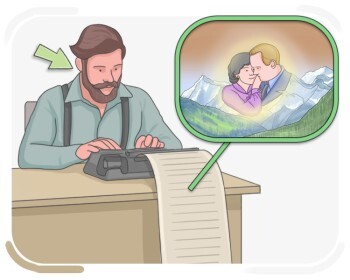
prose
prose
[Sustantivo]

spoken or written language in its usual form, in contrast to poetry

prosa
prosa

Ex: Her writing style is characterized by clear and concise prose, making her novels accessible to a wide audience. 
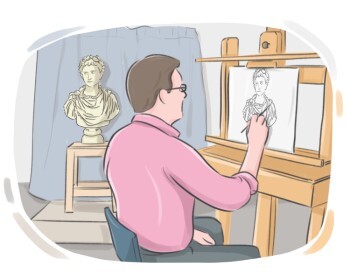
dramatist
dramatist
[Sustantivo]

someone who writes plays for the TV, radio, or theater

dramaturgo

dramaturgo

Ex: The theater company invited a talented dramatist to write an original script for their upcoming production. 
playwright
playwright
[Sustantivo]

someone who writes plays for the TV, radio, or theater

dramaturgo, autor teatral

dramaturgo, autor teatral

Ex: The playwright received critical acclaim for her latest production. 
engaging
engaging
[Adjetivo]

attractive and interesting in a way that draws one's attention

atractivo, interesante

atractivo, interesante

Ex: The book was so engaging that she couldn't put it down. 
gripping
gripping
[Adjetivo]

exciting and intriguing in a way that attracts one's attention

apasionante, absorbente

apasionante, absorbente

Ex: The gripping novel kept me on the edge of my seat, unable to put it down until I reached the last page. 
heavy
heavy
[Adjetivo]

(of a literary work) very serious or hard to understand

serio

serio

Ex: The heavy tome delved into complex philosophical concepts, challenging even the most seasoned readers. 
intriguing
intriguing
[Adjetivo]

arousing interest and curiosity due to being strange or mysterious

fascinante

fascinante

Ex: The old book contained intriguing symbols and cryptic messages, sparking the reader's curiosity. 
ironic
ironic
[Adjetivo]

using statements that mean the opposite of what is stated, often to convey criticism or humor through an implied second meaning

irónico

irónico

Ex: Fans enjoyed the podcast for its ironic, irreverent satire of current events. 
tragic
tragic
[Adjetivo]

(of a literary piece) related to or characteristic of tragedy

trágico

trágico

Ex: The tragic ending of the play left the audience deeply moved by the protagonist's untimely demise. 
symbolism
symbolism
[Sustantivo]

the practice of using symbols to signify an idea, object, etc.

simbolismo

simbolismo

Ex: Symbolism is a powerful literary device used by authors to convey deeper meanings and themes in their works. 
trilogy
trilogy
[Sustantivo]

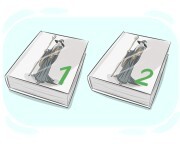
a set of three movies, books, etc. that are related or have the same characters

trilogía
trilogía

Ex: The trilogy consisted of three interconnected novels, each building upon the events of the previous installment. 
sequel
sequel
[Sustantivo]

a book, movie, play, etc. that continues and extends the story of an earlier one

secuela, continuación

secuela, continuación

Ex: The highly anticipated sequel to the bestselling novel was released to critical acclaim. 
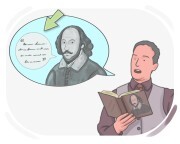
quote
quote
[Sustantivo]

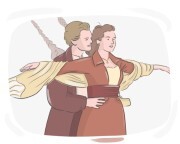
a sentence from a speech, book, etc. that is repeated somewhere else because it is wise or interesting

cita
cita

Ex: The quote "All that glitters is not gold" serves as a timeless reminder to look beyond appearances. 
romance
romance
[Sustantivo]

a novel or movie about love

romance

romance

Ex: She curled up with a romance novel, eager to lose herself in a world of passion and intrigue. 
third-person narrative

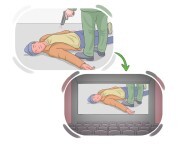
a mode of storytelling where the narrator refers to characters using pronouns like "he" and "she" and is not a character in the story

tercera persona
tercera persona

Ex: In the third-person narrative, the author tells the story from an outside perspective, using pronouns such as "he," "she," or "they" to refer to the characters. 
true crime
true crime
[Sustantivo]

a movie or book genre involving real crimes and real people

crimen verdadero

crimen verdadero

Ex: True crime podcasts have gained popularity in recent years, offering listeners a glimpse into real-life mysteries and criminal cases. 
LanGeek
Descargar la aplicación LanGeek