
Listahan ng mga Salita sa Antas C1 - Kasaysayan at Artipaktos
Dito ay matututuhan mo ang ilang mga salitang Ingles tungkol sa kasaysayan at mga artifact, tulad ng "karwahe", "piitan", "pagpawi", atbp., na inihanda para sa mga mag-aaral ng antas C1.
Repasuhin
Flashcards
Pagbaybay
Pagsusulit


a collection of records or documents preserved for their historical value, or the place where such materials are kept

archive, mga archive
the study of books' history, their classification, production, editions, etc.
bibliograpiya, pag-aaral ng mga aklat
Ang bibliograpiya, bilang pag-aaral sa produksyon at pagpapalaganap ng mga libro sa kasaysayan, ay sumasaklaw sa ebolusyon ng mga teknolohiya ng pag-print at mga kasanayan sa paglalathala.
the act of formally and completely ending a system, practice, institution, or law
pagpawi
an area where a battle is being or was fought
larangan ng digmaan, battlefield
Maingat na sumulong ang mga sundalo sa larangan ng digmaan, nagtatago sa likod ng mga puno at bato.
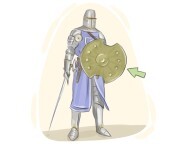
a broad piece of armor carried on the arm to protect the body from weapons
kalasag, panangga
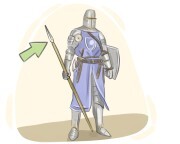
a weapon with a long handle and a metal pointed tip, used for fighting and fishing in the past
sibat, salapang
Gumamit ang mangangaso ng sibat para manghuli ng isda sa ilog.
a small-sized ax used by Native Americans for fighting or as a tool
tomahawk, maliit na palakol na ginagamit ng mga Katutubong Amerikano para sa labanan o bilang kasangkapan
Mahusay na ginamit ng mandirigmang Native American ang isang tomahawk sa labanan.
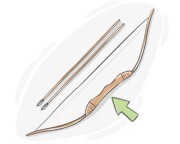
a curved weapon with a string stretched between its ends, used for shooting arrows
pana
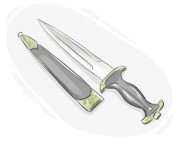
a short weapon with a pointed blade
punyal, daga
Itinago ng assassin ang isang dagger sa kanyang balabal habang lumalapit siya sa target.
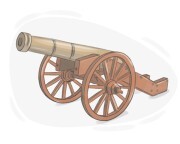
a large and powerful gun that was used in the past to fire stone or metal balls
kanyon, malaking baril
Ang kuta ay nagtanggol sa lungsod na may mga hanay ng mga kanyon na nakahanay sa mga pader nito.
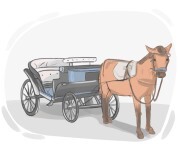
a wheeled vehicle, usually with four wheels, that is pulled by one or more horses and carries people
karwahe, kalesa
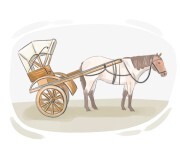
a vehicle with two wheels, drawn by horses, used in ancient times for warfare and racing
karwahe, sasakyan
Ang karwahe ay nagkarera sa palibot ng arena, pinasigla ng mga manonood sa sinaunang laro.
an underground room in which prisoners were confined, particularly in a castle
piitan, bilangguan sa ilalim ng lupa
Ang dungeon sa lumang kastilyo ay basa at madilim, na may makapal na pader na bato.
a strong defensive building or enclosed position designed to resist military attack
kuta, tanggulan
someone who forcibly takes control of a city or country and its citizens
mananakop
Si Alexander the Great ay naaalala bilang isang maalamat na manlulupig na lumikha ng isa sa pinakamalaking imperyo sa kasaysayan.
a person who takes over a job, position, title, or role after someone else
kahalili, tagapagmana
the period during which a particular monarch rules
pagkahari
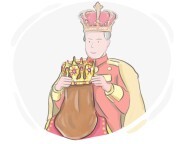
to place a crown on someone's head in a ceremony so that person officially becomes a king or queen
koronahan
a farmer who owns or rents a small piece of land, particularly in the past or in poorer countries
magsasaka, magbubukid
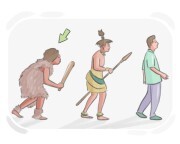
belonging to an early stage in the evolutionary development of humans or animals
primitibo, sinauna
able to be dated to a specific time
matatanda, maaaring matandaan
Ang mga sinaunang piraso ng palayok ay matatandaan sa Panahon ng Bronze, na nagbibigay ng mahalagang pananaw sa maagang sibilisasyon ng tao.
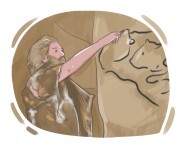
relating or belonging to the time before history was recorded
prehistoriko, panahon bago ang kasaysayan
Natuklasan ng mga arkeologo ang mga artifact na prehistoriko sa kuweba.
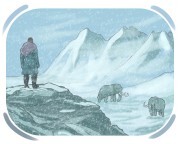
one of the periods in history when ice covered large parts of the world
panahon ng yelo, edad ng yelo
Noong huling panahon ng yelo, malawak na mga glacier ang sumakop sa malaking bahagi ng Hilagang Amerika at Europa.
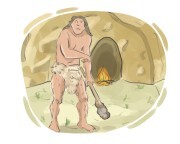
the early period of human history when people used things such as stone, horn, bone, etc. to make tools
panahon ng bato, edad ng bato
Ang Panahon ng Bato ay nailalarawan sa pamamagitan ng paggamit ng simpleng mga kagamitang bato at pag-unlad ng mga sinaunang lipunan ng tao.
the period when iron was not discovered and people used bronze to make tools
Panahon ng Tanso, Edad ng Bronse
Ang Panahon ng Tanso ay nagmarka ng isang makabuluhang pagsulong sa teknolohiya ng tao sa pag-unlad ng mga kasanayan sa paggawa ng metal.
the period that began about 1100 BC when people used iron tools for the first time
Panahon ng Bakal, Edad ng Bakal
Ang Panahon ng Bakal ay sumunod sa Panahon ng Tanso at minarkahan ng malawakang paggamit ng bakal para sa mga kasangkapan at armas.
an idealized or imagined period of peace, prosperity, and happiness
gintong panahon, gintong edad
Inilarawan ng nobela ang isang gintong panahon ng pagkakasundo sa kaharian.
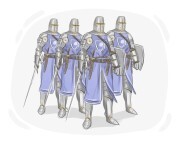
belonging or related to the Middle Ages, the period in European history from roughly the 5th to the 15th century
medyebal, ng Panahong Medyebal
Ang kanyang nobela ay nakatakda sa isang medyebal na nayon, na kinukunan ang pamumuhay at paniniwala ng panahong iyon.
a philosophical movement in the late 17th and 18th centuries that emphasized reason and science were of more importance than tradition and religion
Kaliwanagan, Panahon ng Kaliwanagan
Ang Enlightenment ay humamon sa tradisyonal na awtoridad at itaguyod ang katwiran bilang batayan para maunawaan ang mundo.
a war that is between people who are in the same country
digmaang sibil, panloob na labanan
Ang digmaang sibil ng Amerika ay ipinaglaban sa pagitan ng mga estado ng Hilaga (Unyon) at mga estado ng Timog (Konpederasyon) sa mga isyu ng pang-aalipin at karapatan ng mga estado.
relating to a colony, colonial rule, or colonialism
kolonyal, makakolonya
relating to an empire or to an emperor or empress
imperyal, imperyal
a collection of ancient myths, particularly one that belongs to a group of people and their history, etc.
mitolohiya
Ang mitolohiyang Griyego ay may mga kuwento ng mga diyos, diyosa, at bayani tulad ni Zeus, Athena, at Hercules.
the period of time in the 18th and 19th centuries that machines were used for the first time for mass production of goods, started in Britain
rebolusyong industriyal, Rebolusyong Industriyal
Ang Industrial Revolution ay nagbago sa lipunan sa pamamagitan ng pagpapakilala ng makinarya at steam power sa mga proseso ng pagmamanupaktura.
a title used for ancient Egyptian rulers
paro, pinuno ng sinaunang Ehipto
Ang mga pharaoh ng sinaunang Ehipto ay itinuturing na mga diyos-hari, na namumuno nang may ganap na awtoridad sa kanilang kaharian.
the study of civilizations of the past and historical periods by the excavation of sites and the analysis of artifacts and other physical remains
arkeolohiya, pag-aaral ng mga sinaunang sibilisasyon
Ang arkeolohiya ay ang pag-aaral ng kasaysayan ng tao at prehistorya sa pamamagitan ng paghuhukay at pagsusuri ng mga artifact, site, at iba pang pisikal na labi.
all family members of a person over several generations, particularly a notable person
angkan, lahi
Ang impluwensyang pampulitika ng pamilyang Kennedy ay sumasaklaw sa mga henerasyon, na nagpapakita ng isang kilalang angkan sa kasaysayan ng Amerika.
a man-made object, tool, weapon, etc. that was created in the past and holds historical or cultural significance
artipakto, bagay na gawa ng tao
Ang mga artipakto ng maagang paggawa ng kasangkapan tulad ng mga kutsilyong bato at mga punto ng projectile ay nagpapakita ng katalinuhan at kakayahan ng mga tao noong Panahon ng Paleolitiko.
(of a country or place) damaged or destroyed severely as an aftermath of war
wasak dahil sa digmaan, nasira dahil sa digmaan
Ang organisasyong humanitarian ay nagbigay ng tulong sa mga pamilyang lumikas mula sa kanilang mga tahanang winasak ng digmaan.
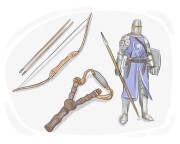
any weapon that is capable of hitting a target at a distance beyond the reach of hands
sandatang may layo, sandatang pambato
Ang paboritong ranged weapon ng archer ay isang masining na ginawang longbow, na kayang tamaan ang mga target mula sa malayong distansya.
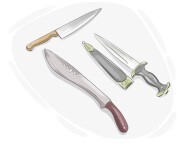
a hand-held weapon such as a sword, spear, etc., used when one attacks enemies at a close range
sandata sa malapitan, sandata ng melee
Ang kabalyero ay gumamit ng isang malapad na espada bilang kanyang pangunahing sandata sa malapitan sa labanan.
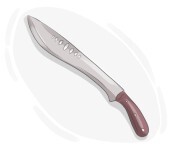
a long knife that has a wide and heavy blade, used as a weapon or a tool to cut plants and trees
machete, mahabang kutsilyo
Ginamit ng magsasaka ang isang machete para linisin ang makapal na mga damo at halaman sa kanyang lupa.
relating to a city-state in ancient Greece called Sparta or its people
kaugnay sa lungsod-estado ng Sparta sa sinaunang Gresya o sa mga tao nito, Spartan
Ang mga mandirigmang Spartan ay kilala sa kanilang mahigpit na pagsasanay at disiplinadong pamumuhay.
| Listahan ng mga Salita sa Antas C1 | |||
|---|---|---|---|
| Mga Pagbabago at Epekto | Astronomiya | Batas at Kriminalidad | Matematika |
| Pang-abay | Paglalakbay | Kasaysayan at Artipaktos | |
