
Список Слов Уровня C1 - История
Здесь вы выучите некоторые английские слова, связанные с историей и артефактами, такие как "карета", "подземелье", "отмена" и т.д., подготовленные для учащихся уровня C1.
Обзор
Флэш-карточки
Правописание
Тест


a collection of records or documents preserved for their historical value, or the place where such materials are kept

архив
the study of books' history, their classification, production, editions, etc.
библиография
Библиография, как изучение производства и распространения книг на протяжении истории, охватывает эволюцию технологий печати и издательских практик.
the act of formally and completely ending a system, practice, institution, or law
отмена
an area where a battle is being or was fought
поле битвы
Солдаты осторожно продвигались по полю боя, укрываясь за деревьями и камнями.
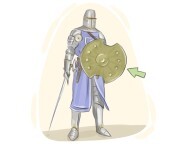
a broad piece of armor carried on the arm to protect the body from weapons
щит
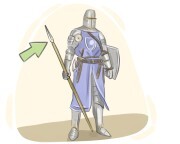
a weapon with a long handle and a metal pointed tip, used for fighting and fishing in the past
копье, копье
Охотник использовал копье, чтобы ловить рыбу в реке.
a small-sized ax used by Native Americans for fighting or as a tool
томагавк
Индейский воин умело владел томагавком в бою.
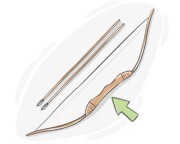
a curved weapon with a string stretched between its ends, used for shooting arrows
лук
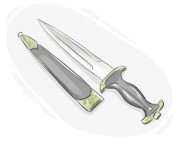
a short weapon with a pointed blade
кинжал
Убийца спрятал кинжал в своем плаще, приближаясь к цели.
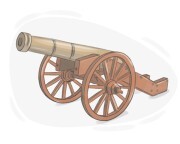
a large and powerful gun that was used in the past to fire stone or metal balls
пушка
Крепость защищала город рядами пушек, выстроенных вдоль её стен.
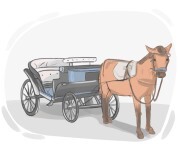
a wheeled vehicle, usually with four wheels, that is pulled by one or more horses and carries people
карета
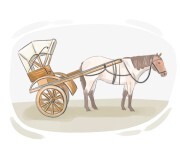
a vehicle with two wheels, drawn by horses, used in ancient times for warfare and racing
колесница
Колесница мчалась по арене, подбадриваемая зрителями древних игр.
an underground room in which prisoners were confined, particularly in a castle
темница
Подземелье в старом замке было сырым и темным, с толстыми каменными стенами.
a strong defensive building or enclosed position designed to resist military attack
крепость
someone who forcibly takes control of a city or country and its citizens
завоеватель
Александр Македонский запомнился как легендарный завоеватель, создавший одну из крупнейших империй в истории.
a person who takes over a job, position, title, or role after someone else
преемник
the period during which a particular monarch rules
царствование
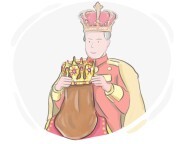
to place a crown on someone's head in a ceremony so that person officially becomes a king or queen
венчать
a farmer who owns or rents a small piece of land, particularly in the past or in poorer countries
крестьянин
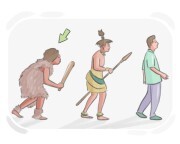
belonging to an early stage in the evolutionary development of humans or animals
примитивный
able to be dated to a specific time
датируемый
Древние черепки глиняной посуды были датируемыми бронзовым веком, что дает ценные сведения о ранней человеческой цивилизации.
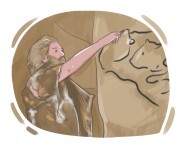
relating or belonging to the time before history was recorded
доисторический
Археологи обнаружили доисторические артефакты в пещере.
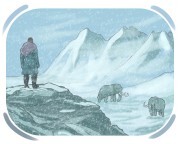
one of the periods in history when ice covered large parts of the world
ледниковый период
Во время последнего ледникового периода огромные ледники покрывали большую часть Северной Америки и Европы.
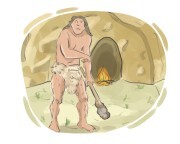
the early period of human history when people used things such as stone, horn, bone, etc. to make tools
каменный век
Каменный век характеризовался использованием простых каменных орудий и развитием ранних человеческих обществ.
the period when iron was not discovered and people used bronze to make tools
Бронзовый век
Бронзовый век ознаменовал значительный прогресс в человеческих технологиях с развитием навыков металлообработки.
the period that began about 1100 BC when people used iron tools for the first time
Железный век
Железный век последовал за бронзовым веком и был отмечен широким использованием железа для инструментов и оружия.
an idealized or imagined period of peace, prosperity, and happiness
золотой век
Роман изображал золотой век гармонии в королевстве.
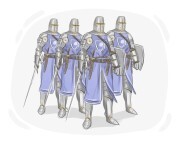
belonging or related to the Middle Ages, the period in European history from roughly the 5th to the 15th century
средневековый
Средневековые доспехи и оружие выставлены на экспозиции о рыцарях.
a philosophical movement in the late 17th and 18th centuries that emphasized reason and science were of more importance than tradition and religion
эпоха просвещения
Просвещение бросило вызов традиционной власти и продвигало разум как основу для понимания мира.
a war that is between people who are in the same country
гражданская война
Американская гражданская война велась между северными штатами (Союз) и южными штатами (Конфедерация) по вопросам рабства и прав штатов.
relating to a colony, colonial rule, or colonialism
колониальный
relating to an empire or to an emperor or empress
имперский, царский
a collection of ancient myths, particularly one that belongs to a group of people and their history, etc.
мифология
Греческая мифология включает в себя истории о богах, богинях и героях, таких как Зевс, Афина и Геракл.
the period of time in the 18th and 19th centuries that machines were used for the first time for mass production of goods, started in Britain
промышленная революция
Промышленная революция преобразовала общество, внедрив машины и паровую энергию в производственные процессы.
a title used for ancient Egyptian rulers
фараон
Фараоны древнего Египта считались богами-царями, правившими с абсолютной властью над своим царством.
the study of civilizations of the past and historical periods by the excavation of sites and the analysis of artifacts and other physical remains
археология
Археология — это изучение человеческой истории и предыстории путем раскопок и анализа артефактов, памятников и других физических остатков.
all family members of a person over several generations, particularly a notable person
родословная
Политическое влияние семьи Кеннеди охватывает поколения, отражая знаменитую родословную в американской истории.
a man-made object, tool, weapon, etc. that was created in the past and holds historical or cultural significance
артефакт
Артефакты раннего изготовления инструментов, такие как каменные ножи и наконечники снарядов, показывают изобретательность и находчивость палеолитических людей.
(of a country or place) damaged or destroyed severely as an aftermath of war
раздираемый войной
Гуманитарная организация предоставила помощь семьям, перемещенным из своих разрушенных войной домов.
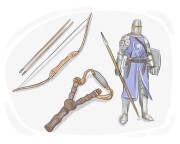
any weapon that is capable of hitting a target at a distance beyond the reach of hands
дальнобойное оружие
Предпочитаемым дальнобойным оружием лучника был искусно изготовленный длинный лук, способный поражать цели с большого расстояния.
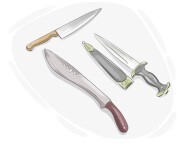
a hand-held weapon such as a sword, spear, etc., used when one attacks enemies at a close range
холодное оружие
Рыцарь владел широким мечом как своим основным оружием ближнего боя в сражении.
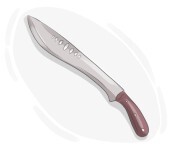
a long knife that has a wide and heavy blade, used as a weapon or a tool to cut plants and trees
мачете, большой нож
Фермер использовал мачете, чтобы расчистить густые заросли и растительность на своей земле.
| Список Слов Уровня C1 | |||
|---|---|---|---|
| изменение | Астрономия | Право | математика |
| Наречия | путешествие | История | |
