


pattern

C1 수준 단어 목록 - 역사와 유물

여기에서는 C1 수준의 학습자를 위해 준비된 "마차", "던전", "폐지" 등과 같은 역사와 유물에 관한 몇 가지 영어 단어를 배우게 됩니다.

리뷰

플래시카드

형태

철자법

퀴즈

학습 시작
CEFR C1 Vocabulary
archive
archive
[명사]

a place or a collection of records or documents of historical importance

기록 보관소, 역사적 문서 저장소

기록 보관소, 역사적 문서 저장소

Ex: The library's archive contains rare manuscripts and historical documents dating back centuries. 
닫기
로그인
bibliography
bibliography
[명사]

the study of books' history, their classification, production, editions, etc.

서지학, 책 연구

서지학, 책 연구

Ex: Bibliography, as the study of books' production and dissemination throughout history, encompasses the evolution of printing technologies and publishing practices. 
닫기
로그인
abolition
abolition
[명사]

the act of formally and completely ending a system, practice, institution, or law

폐지

폐지

Ex: The abolition of slavery in the 19th century marked a significant milestone in the fight for human rights. 
닫기
로그인
battlefield
battlefield
[명사]

an area where a battle is being or was fought

전장, 전투 지역

전장, 전투 지역

Ex: Soldiers advanced cautiously across the battlefield, taking cover behind trees and rocks. 
닫기
로그인
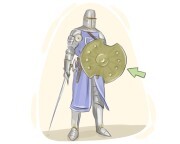
shield
shield
[명사]

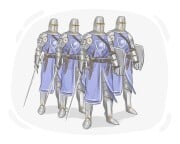
a large piece of armor made of strong material, carried on the arm by soldiers in the past

방패,  쉴드

방패, 쉴드

Ex: The knight raised his shield to deflect the enemy's sword during the battle. 
닫기
로그인
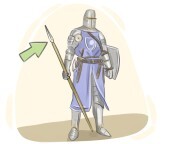
spear
spear
[명사]

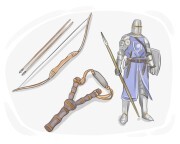
a weapon with a long handle and a metal pointed tip, used for fighting and fishing in the past

창, 작살

창, 작살

Ex: The hunter used a spear to catch fish in the river. 
닫기
로그인
tomahawk
tomahawk
[명사]

a small-sized ax used by Native Americans for fighting or as a tool

토마호크, 전투나 도구로 사용된 아메리카 원주민의 작은 도끼

토마호크, 전투나 도구로 사용된 아메리카 원주민의 작은 도끼

Ex: The Native American warrior skillfully wielded a tomahawk in battle. 
닫기
로그인
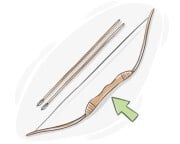
bow
bow
[명사]

a curved weapon joined at both ends by a string, capable of shooting arrows

활, 양궁

활, 양궁

Ex: The archer strung his bow and notched an arrow, aiming carefully at the distant target. 
닫기
로그인
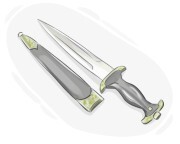
dagger
dagger
[명사]

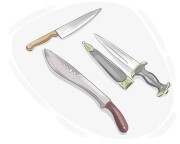
a short weapon with a pointed blade

단검, 비수

단검, 비수

Ex: The assassin concealed a dagger in his cloak as he approached the target. 
닫기
로그인
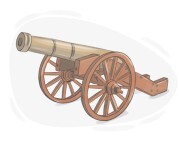
cannon
cannon
[명사]

a large and powerful gun that was used in the past to fire stone or metal balls

대포, 포

대포, 포

Ex: The fortress defended the city with rows of cannons lining its walls. 
닫기
로그인
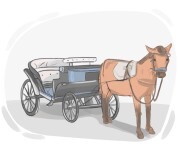
carriage
carriage
[명사]

a vehicle with usually four wheels, pulled by one or more horses

마차,  사륜 마차

마차, 사륜 마차

Ex: The elegant carriage rolled down the cobblestone street, drawn by a pair of white horses. 
닫기
로그인
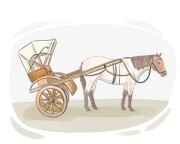
chariot
chariot
[명사]

a vehicle with two wheels, drawn by horses, used in ancient times for warfare and racing

전차, 마차

전차, 마차

Ex: The chariot raced around the arena, cheered on by spectators at the ancient games. 
닫기
로그인
dungeon
dungeon
[명사]

an underground room in which prisoners were confined, particularly in a castle

지하 감옥, 던전

지하 감옥, 던전

Ex: The dungeon in the old castle was damp and dark, with thick stone walls. 
닫기
로그인
fort
fort
[명사]

a building or group of buildings used by troops to protect an area

요새, 성채

요새, 성채

Ex: The soldiers stationed at the fort defended the strategic hilltop from enemy attacks. 
닫기
로그인
conqueror
conqueror
[명사]

someone who forcibly takes control of a city or country and its citizens

정복자

정복자

Ex: Alexander the Great is remembered as a legendary conqueror who created one of the largest empires in history. 
닫기
로그인
successor
successor
[명사]

a person or thing that is next in line to someone or something else

후계자, 상속인

후계자, 상속인

Ex: The CEO announced her retirement and named her longtime deputy as her successor. 
닫기
로그인
reign
reign
[명사]

the length of time during which a king, queen, or other monarch rules

통치, 통치

통치, 통치

Ex: Queen Victoria's reign lasted over 63 years. 
닫기
로그인
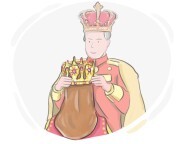
to crown
to crown
[동사]

to place a crown on someone's head in a ceremony so that person officially becomes a king or queen

관을 씌우다

관을 씌우다

Ex: In the elaborate coronation ceremony, the Archbishop will crown the new monarch. 
닫기
로그인
peasant
peasant
[명사]

a farmer who owns or rents a small piece of land, particularly in the past or in poorer countries

농민, 소작농

농민, 소작농

Ex: The peasant worked tirelessly in the fields, cultivating crops to feed his family and sell at the market. 
닫기
로그인
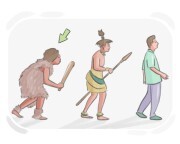
primitive
primitive
[형용사]

characteristic of an early stage of human or animal evolution

원시적인, 고대의

원시적인, 고대의

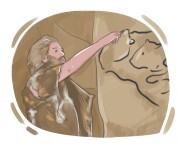
Ex: The cave paintings depict the life of primitive man. 
닫기
로그인
datable
datable
[형용사]

able to be dated to a specific time

연대를 측정할 수 있는, 특정 시기로 연대를 측정할 수 있는

연대를 측정할 수 있는, 특정 시기로 연대를 측정할 수 있는

Ex: The ancient pottery shards were datable to the Bronze Age, providing valuable insights into early human civilization. 
닫기
로그인
prehistoric
prehistoric
[형용사]

relating or belonging to the time before history was recorded

선사 시대의, 역사 이전의

선사 시대의, 역사 이전의

Ex: Archaeologists discovered prehistoric artifacts in the cave. 
닫기
로그인
ice age
ice age
[명사]

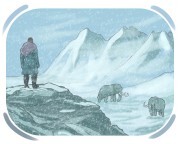
one of the periods in history when ice covered large parts of the world

빙하기, 빙하 시대

빙하기, 빙하 시대

Ex: During the last ice age, vast glaciers covered much of North America and Europe. 
닫기
로그인
Stone age
Stone age
[명사]

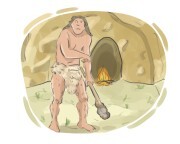
the early period of human history when people used things such as stone, horn, bone, etc. to make tools

석기 시대, 돌 시대

석기 시대, 돌 시대

Ex: The Stone Age was characterized by the use of simple stone tools and the development of early human societies. 
닫기
로그인
Bronze Age
Bronze Age
[명사]

the period when iron was not discovered and people used bronze to make tools

청동기 시대, 청동 시대

청동기 시대, 청동 시대

Ex: The Bronze Age marked a significant advancement in human technology with the development of metalworking skills. 
닫기
로그인
Iron Age
Iron Age
[명사]

the period that began about 1100 BC when people used iron tools for the first time

철기 시대, 철의 시대

철기 시대, 철의 시대

Ex: The Iron Age followed the Bronze Age and was marked by the widespread use of iron for tools and weapons. 
닫기
로그인
golden age
golden age
[명사]

an idealized or imagined period of peace, prosperity, and happiness

황금 시대, 황금기

황금 시대, 황금기

Ex: The novel depicted a golden age of harmony in the kingdom. 
닫기
로그인
medieval
medieval
[형용사]

belonging or related to the Middle Ages, the period in European history from roughly the 5th to the 15th century

중세의, 중세 시대에 속하는

중세의, 중세 시대에 속하는

Ex: The castle is a masterpiece of medieval architecture, complete with towers and battlements. 
닫기
로그인
Enlightenment

a philosophical movement in the late 17th and 18th centuries that emphasized reason and science were of more importance than tradition and religion

계몽주의, 계몽 시대

계몽주의, 계몽 시대

Ex: The Enlightenment challenged traditional authority and promoted reason as the basis for understanding the world. 
닫기
로그인
civil war
civil war
[명사]

a war that is between people who are in the same country

내전, 내부 갈등

내전, 내부 갈등

Ex: The American Civil War was fought between the Northern states (Union) and the Southern states (Confederacy) over issues of slavery and states' rights. 
닫기
로그인
colonial
colonial
[형용사]

related to a country that controls another territory or country

식민지의

식민지의

Ex: Colonial rule often involved the imposition of new laws and institutions by the ruling power. 
닫기
로그인
imperial
imperial
[형용사]

related to the characteristics or actions of an empire or emperor

제국의, 황제의

제국의, 황제의

Ex: The imperial dynasty ruled over vast territories and diverse peoples. 
닫기
로그인
mythology
mythology
[명사]

a collection of ancient myths, particularly one that belongs to a group of people and their history, etc.

신화

신화

Ex: Greek mythology includes stories of gods, goddesses, and heroes such as Zeus, Athena, and Hercules. 
닫기
로그인
industrial revolution

the period of time in the 18th and 19th centuries that machines were used for the first time for mass production of goods, started in Britain

산업 혁명, 공업 혁명

산업 혁명, 공업 혁명

Ex: The Industrial Revolution transformed society by introducing machinery and steam power to manufacturing processes. 
닫기
로그인
pharaoh
pharaoh
[명사]

a title used for ancient Egyptian rulers

파라오, 고대 이집트의 통치자

파라오, 고대 이집트의 통치자

Ex: The pharaohs of ancient Egypt were considered god-kings, ruling with absolute authority over their kingdom. 
닫기
로그인
archeology
archeology
[명사]

the study of civilizations of the past and historical periods by the excavation of sites and the analysis of artifacts and other physical remains

고고학, 고대 문명 연구

고고학, 고대 문명 연구

Ex: Archaeology is the study of human history and prehistory through the excavation and analysis of artifacts, sites, and other physical remains. 
닫기
로그인
bloodline
bloodline
[명사]

all family members of a person over several generations, particularly a notable person

혈통, 가계

혈통, 가계

Ex: The Kennedy family's political influence spans generations, reflecting a storied bloodline in American history. 
닫기
로그인
artifact
artifact
[명사]

a man-made object, tool, weapon, etc. that was created in the past and holds historical or cultural significance

인공 유물, 인공물

인공 유물, 인공물

Ex: Artifacts of early tool-making like stone knives and projectile points show the ingenuity and resourcefulness of Paleolithic humans. 
닫기
로그인
war-torn
war-torn
[형용사]

(of a country or place) damaged or destroyed severely as an aftermath of war

전쟁으로 황폐해진, 전쟁으로 피폐해진

전쟁으로 황폐해진, 전쟁으로 피폐해진

Ex: The humanitarian organization provided aid to families displaced from their war-torn homes. 
닫기
로그인
ranged weapon

any weapon that is capable of hitting a target at a distance beyond the reach of hands

원거리 무기, 투척 무기

원거리 무기, 투척 무기

Ex: The archer's preferred ranged weapon was a finely crafted longbow, capable of hitting targets from a great distance. 
닫기
로그인
melee weapon
melee weapon
[명사]

a hand-held weapon such as a sword, spear, etc., used when one attacks enemies at a close range

근접 무기, 밀리 무기

근접 무기, 밀리 무기

Ex: The knight wielded a broadsword as his primary melee weapon in battle. 
닫기
로그인
machete
machete
[명사]

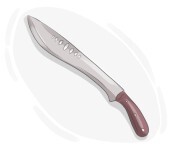
a long knife that has a wide and heavy blade, used as a weapon or a tool to cut plants and trees

마체테, 긴 칼

마체테, 긴 칼

Ex: The farmer used a machete to clear thick brush and vegetation from his land. 
닫기
로그인
spartan
spartan
[형용사]

relating to a city-state in ancient Greece called Sparta or its people

고대 그리스의 도시 국가 스파르타 또는 그 사람들과 관련된, 스파르타의

고대 그리스의 도시 국가 스파르타 또는 그 사람들과 관련된, 스파르타의

Ex: Spartan warriors were known for their rigorous training and disciplined lifestyle. 
닫기
로그인
LanGeek
LanGeek 앱 다운로드