
C1 Ordlista - Historia och Artefakter
Här kommer du att lära dig några engelska ord om historia och artefakter, såsom "vagn", "fängelsehåla", "avskaffande", etc., förberedda för C1-inlärare.
Recension
Flashcards
Stavning
Quiz


a collection of records or documents preserved for their historical value, or the place where such materials are kept

arkiv, arkivsamling
the study of books' history, their classification, production, editions, etc.
bibliografi, studie av böcker
En grundlig bibliografi av medeltida handskrifter innebär en detaljerad analys av skrivstilar, illumineringstekniker och pergamenttillverkning.
the act of formally and completely ending a system, practice, institution, or law
avskaffande
an area where a battle is being or was fought
slagfält, stridsområde
Minnesmärket hyllar de soldater som kämpade och dog på detta slagfält under inbördeskriget.
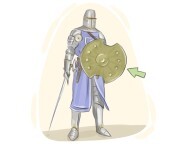
a broad piece of armor carried on the arm to protect the body from weapons
sköld, skydd
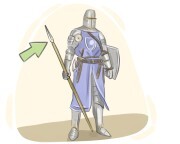
a weapon with a long handle and a metal pointed tip, used for fighting and fishing in the past
spjut, harpun
Museet visade en samling av spjut som användes av inhemska stammar för jakt och försvar.
a small-sized ax used by Native Americans for fighting or as a tool
tomahawk, liten yxa som användes av ursprungsamerikaner för strid eller som verktyg
Tomahawks var mångsidiga verktyg som användes av indianstammar för jakt och ceremoniella ändamål.
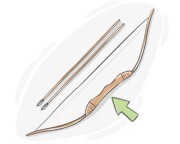
a curved weapon with a string stretched between its ends, used for shooting arrows
båge
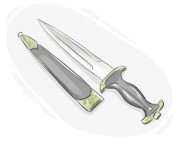
a short weapon with a pointed blade
dolk, stilett
Riddaren bar en dolk som reservvapen ifall hans svärd gick förlorat eller bröts.
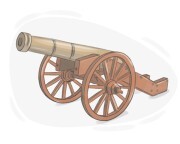
a large and powerful gun that was used in the past to fire stone or metal balls
kanon, artilleripjäs
Ingenjörerna riktade kanonen mot fiendens befästning och förberedde sig för att skjuta.
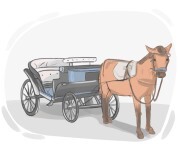
a wheeled vehicle, usually with four wheels, that is pulled by one or more horses and carries people
vagn, kaross
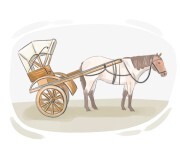
a vehicle with two wheels, drawn by horses, used in ancient times for warfare and racing
stridsvagn, vagn
Arkeologer upptäckte välbevarade stridsvagnshjul begravda i ökenens sand.
an underground room in which prisoners were confined, particularly in a castle
fängelsehåla, dungeon
Under medeltiden användes fängelsehålor för att hålla fångna fiender och politiska fångar.
a strong defensive building or enclosed position designed to resist military attack
fort, fästning
someone who forcibly takes control of a city or country and its citizens
erövrare
Statyn på stadstorget hyllade den berömda erövraren som hade befriat staden för århundraden sedan.
a person who takes over a job, position, title, or role after someone else
efterträdare, efterföljare
the period during which a particular monarch rules
regeringstid

to place a crown on someone's head in a ceremony so that person officially becomes a king or queen
kröna
a farmer who owns or rents a small piece of land, particularly in the past or in poorer countries
bonde, lantbrukare
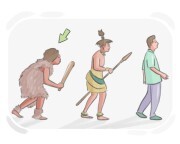
belonging to an early stage in the evolutionary development of humans or animals
primitiv, ursprunglig
able to be dated to a specific time
daterbar, som kan dateras
Forskaren förklarade att fossilet var daterbart med hjälp av kol-14-metoden, vilket skulle avslöja dess ålder exakt.
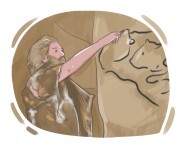
relating or belonging to the time before history was recorded
förhistorisk, prehistorisk
Historiker studerar förhistoriska civilisationer genom artefakter och grottmålningar.
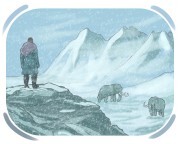
one of the periods in history when ice covered large parts of the world
istid, glacialperiod
De mänskliga populationerna under istiden var tvungna att anpassa sig till extremt kalla temperaturer och hårda miljöer.
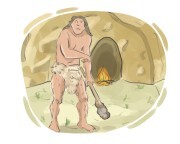
the early period of human history when people used things such as stone, horn, bone, etc. to make tools
stenåldern, stenperioden
Artefakter från stenåldern, såsom pilspetsar och keramik, ger insikter om de tidiga människornas vardagsliv.
the period when iron was not discovered and people used bronze to make tools
Bronsåldern, Bronsperioden
Övergången från stenåldern till bronsåldern medförde nya verktyg och vapen som var starkare och mer hållbara.
the period that began about 1100 BC when people used iron tools for the first time
Järnåldern, Järnperioden
Arkeologer hittade en by från järnåldern med välbevarade järnföremål och strukturer.
an idealized or imagined period of peace, prosperity, and happiness
guldålder, gyllene tidsålder
Legender beskriver en guldålder då människor levde utan konflikter.
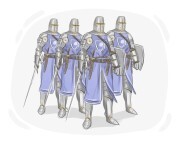
belonging or related to the Middle Ages, the period in European history from roughly the 5th to the 15th century
medeltida, tillhörande medeltiden
Medeltida rustningar och vapen visas i utställningen om riddarriddare.
a philosophical movement in the late 17th and 18th centuries that emphasized reason and science were of more importance than tradition and religion
Upplysningen, Upplysningstiden
Filosofer under Upplysningen strävade efter att tillämpa förnuft och logik på alla aspekter av det mänskliga samhället.
a war that is between people who are in the same country
inbördeskrig, intern konflikt
Det syriska inbördeskriget har orsakat en humanitär kris med miljoner människor på flykt och söker skydd i grannländerna.
relating to a colony, colonial rule, or colonialism
relating to an empire or to an emperor or empress
imperial, kejserlig
a collection of ancient myths, particularly one that belongs to a group of people and their history, etc.
mytologi
Studiet av mytologi hjälper oss att förstå de gamla civilisationernas tro och traditioner och deras kulturella arv.
the period of time in the 18th and 19th centuries that machines were used for the first time for mass production of goods, started in Britain
industriella revolutionen, Den Industriella Revolutionen
Urbanisering och massmigration från landsbygden till städer var framträdande drag under den industriella revolutionen.
a title used for ancient Egyptian rulers
farao, härskare över det gamla Egypten
Faraons roll var central i den egyptiska religionen och samhället, och representerade den gudomliga länken mellan gudarna och folket.
the study of civilizations of the past and historical periods by the excavation of sites and the analysis of artifacts and other physical remains
arkeologi, studie av antika civilisationer
Arkeologi ger värdefulla insikter om utvecklingen av mänskliga samhällen, teknologi, konst och vardagsliv under olika tidsperioder och regioner.
all family members of a person over several generations, particularly a notable person
blodslinje, härkomst
Skådespelarens talang tillskrivs ofta hans släktlinje, med flera generationer av artister före honom.
a man-made object, tool, weapon, etc. that was created in the past and holds historical or cultural significance
artefakt, människogjort föremål
Historikern analyserade artefakten för att bättre förstå den antika samhällets handelspraxis.
(of a country or place) damaged or destroyed severely as an aftermath of war
krigshärjad, krigsskadad
Det krigshärjade landet kämpade för att återuppbygga sin ekonomi och tillhandahålla grundläggande tjänster till sina medborgare.
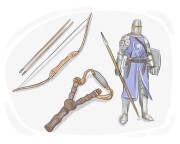
any weapon that is capable of hitting a target at a distance beyond the reach of hands
distansvapen, kastvapen
Den skickliga skyttens visade precision med sitt avståndsvapen, träffade bullseye-mål konsekvent.
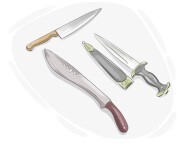
a hand-held weapon such as a sword, spear, etc., used when one attacks enemies at a close range
närstridsvapen, melee-vapen
Gladiatoren steg in i arenan beväpnad med en treudd och ett nät, skicklig i närstrid med närstridsvapen.
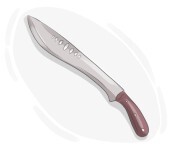
a long knife that has a wide and heavy blade, used as a weapon or a tool to cut plants and trees
machete, långt kniv
Arbetare i sockerörsfälten förlitar sig på macheter för att skörda grödorna effektivt.
relating to a city-state in ancient Greece called Sparta or its people
relaterat till stadsstaten Sparta i antikens Grekland eller dess folk, spartansk
Slaget vid Thermopylae är känt för de spartanska krigarnas heroiska stånd mot den persiska armén.
| C1 Ordlista | |||
|---|---|---|---|
| Förändringar och Påverkan | Astronomi | Lag och Brottslighet | Matematik |
| Adverb | Resa | Historia och Artefakter | |
