
Linguistik - Pragmatik dan Analisis Wacana
Di sini Anda akan mempelajari beberapa kata dalam bahasa Inggris yang terkait dengan pragmatik dan analisis wacana seperti "dialog", "kohesi", dan "equivocation".
Tinjauan
Kartu flash
Ejaan
Kuis

the surrounding linguistic elements that contribute to the interpretation and meaning of a specific expression or utterance

konteks linguistik, kerangka linguistik
the phenomenon in language where the interpretation of certain words or expressions depends on the context of the speaker, listener, and the surrounding situation
deiksis, fenomena deiktik
a type of deixis that involves the use of pronouns and verb forms to refer to the participants in a conversation
deiksis orang, deiksis persona
a type of deixis that involves the use of language to refer to spatial locations, such as indicating the direction, distance, or proximity of objects or places in relation to the speaker or the context of the conversation
deiksis spasial, referensi spasial
a type of deixis that involves the use of language to refer to specific points in time, such as indicating the past, present, or future, or expressing temporal relations and sequencing of events
deiksis temporal, referensi temporal
the representation of someone's words using quotation marks, presenting their exact utterances as they were spoken or written
ucapan langsung, gaya langsung
the representation of someone's words by reporting or paraphrasing their statements without using direct quotation marks
ucapan tidak langsung, pidato tidak langsung
an utterance or expression that not only conveys meaning but also performs a particular function or action in communication, such as making a request, giving an order, or making a promise
tindak tutur, tindak bahasa
the relationship in which a word, phrase, or expression points to, denotes, or indicates a specific entity, object, or concept
referensi, acuan
a communicative behavior or action that poses a risk to someone's positive face, their desired self-image or social identity, potentially leading to face loss or face-threatening situations.
tindakan mengancam muka, perilaku komunikatif yang mengancam muka
a word or phrase, often an idiomatic one
ungkapan, idiom
a speech style characterized by simplified language, exaggerated prosody, repetition, and high pitch, commonly used by caregivers when interacting with infants and young children
bicara pengasuh, bahasa anak-anak
the natural flow of spoken language where words and sounds are connected together, often resulting in changes in pronunciation, elision of sounds, and modifications in speech patterns
ucapan terhubung, bicara tersambung
a linguistic element or phrase used in speech or writing to indicate the structure, organization, or relationship between different parts of a discourse, often serving to facilitate communication and signal the speaker's intentions or attitudes
penanda wacana, indikator wacana
the cognitive and linguistic process of shaping and presenting information in a particular way to influence how people perceive and interpret it
pembingkaian, pengaturan
a conversation or exchange of ideas between two or more people
dialog, percakapan
connected spoken or written language considered in its wider linguistic or social context
wacana, diskursus
the interconnectedness and referencing of texts, where one text refers to or influences another, creating layers of meaning and a complex web of relationships between texts
intertekstualitas, keterhubungan teks
Melalui intertekstualitas, penyair menciptakan permadani dari kiasan dan kutipan dari karya lain, mengundang pembaca untuk mengeksplorasi konteks sastra yang lebih luas dari puisi tersebut.

anything that is in written form
teks, tulisan
language intended to belittle
istilah merendahkan, kata menghina
Dia melemparkan kata-kata menghina kepada siapa pun yang tidak setuju dengannya.
the process by which participants in a conversation alternate speaking and listening, following certain rules and cues to facilitate smooth and coherent communication
pengambilan giliran, bergantian berbicara
(linguistics) a word or expression that reduces the force, certainty, or commitment of a statement
hedge, pelembut
the meaning that is inferred or implied by a speaker in a conversation, beyond the literal or explicit meaning of the words used, relying on context and shared knowledge between the participants
implikatur, makna tersirat
the overall sense of unity, logic, and connectedness in a text or discourse, where the ideas, information, and elements are organized and presented in a clear and meaningful way
koherensi, logika
the linguistic mechanisms used to create connections and coherence within a text by employing various cohesive devices and techniques
kohesi
a specific linguistic element or device that connects different parts of a text, contributing to the overall coherence and unity of the discourse
ikatan kohesi, unsur kohesi
the use of an indirect expression to describe something
berbelit-belit, pemutar balikan
Daripada mengatakan kaki, mahasiswa kedokteran menggunakan ungkapan berbelit-belit seperti "ekstremitas bawah" di depan pasien.
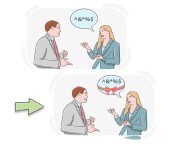
a word or expression that is used instead of a harsh or insulting one in order to be more tactful and polite
eufemisme, ungkapan halus
Frasa 'passed away' adalah sebuah eufemisme umum untuk 'died', digunakan untuk melunakkan kenyataan keras dari kematian.
the deliberate use of ambiguous language or expressions to avoid making a clear or definite statement
ketidakjelasan, ambiguitas
(linguistics) the prelinguistic practice of expressing a whole idea in a single word
holophrasis, ekspresi seluruh ide dalam satu kata
a word or phrase that is not formal or literary and is used in everyday conversations
kolokialisme, ungkapan sehari-hari
the humorous and incorrect use of a word that sounds similar to the intended word
malapropisme, penggunaan kata yang salah
Malapropismenya selama pidato membuat semua orang tertawa ketika dia mengatakan «pacifically» bukan «specifically».
a continuous unit of speech produced by one speaker and bounded by pauses or silence
ujaran, tuturan
(linguistics) the redundant use of words in a way that might be considered a fault of style, or to create an emphatic effect
pleonasme, redundansi
(linguistics) the separation of parts of a compound word by insertion of one or more words, often in informal speech
tmesis, pemisahan dengan penyisipan
a question that is not meant to be answered, but is instead used to make a point or to create emphasis or effect
pertanyaan retoris, pertanyaan bersifat retorik
Mengajukan pertanyaan retoris dapat membuat pidato lebih persuasif.
a type of interrogative sentence that is asked not to obtain information but rather to make a statement or express an attitude
pertanyaan retoris, pertanyaan oratoris
a type of interrogative sentence that seeks specific information or references a particular entity, object, or concept
pertanyaan referensial
the emphasis or prominence placed on a particular element or information in a sentence or discourse
fokus, konsentrasi
a wordplay or joke that relies on the use of multiple languages, often involving the similarity or ambiguity of words or phrases in different languages to create humorous or clever effects
permainan kata bilingual, lelucon bilingual
the verbal and non-verbal cues, such as nodding, "uh-huh," or other short responses, that listeners use to indicate their engagement and understanding during a conversation
saluran balik, isyarat mendengarkan aktif
a well-known statement or phrase that expresses a general truth or gives advice
peribahasa, pepatah
Salah satu pepatah umum dalam bahasa Inggris adalah 'Jangan menghitung ayam sebelum menetas,' yang berarti Anda tidak boleh berasumsi berhasil sampai itu benar-benar terjadi.
