
Linguistik - Semantik
Di sini Anda akan mempelajari beberapa kata dalam bahasa Inggris yang terkait dengan semantik seperti "sinonim", "epitet", dan "penanda".
Tinjauan
Kartu flash
Ejaan
Kuis

the relationship between words or expressions that have similar or identical meanings, or nearly identical meanings, in a particular context or language

sinonim, hubungan antara kata atau ungkapan yang memiliki makna serupa atau identik
the relationship between words or expressions that have opposite or contrasting meanings
antonimi, hubungan antonimi
a hierarchical relationship between words, where one word, the hyponym, represents a more specific or subordinate category within the meaning of another word, the hypernym
hiponimi, hubungan hiponimi
something or someone that is the most common example of a particular group, class, etc.
prototipe, model
Dia dipandang sebagai prototipe dari seorang pengusaha sukses, dikagumi karena inovasi dan tekadnya.
a linguistic phenomenon where words share the same form but have different meanings, contributing to lexical ambiguity and requiring context for proper interpretation
homonymy, fenomena linguistik di mana kata-kata berbagi bentuk yang sama tetapi memiliki arti yang berbeda
a linguistic phenomenon where different words have the same or similar pronunciation but may have different spellings and meanings, resulting in potential confusion and ambiguity in oral communication
homofoni, fenomena homofoni
the phenomenon in language where a single word has multiple related meanings or senses
polisemi, fenomena polisemi
Polisemi dari kata "bank" mencakup makna yang terkait dengan lembaga keuangan, tepi sungai, dan kemiringan.
a type of figurative language that involves the unconventional or strained use of words, often resulting in an unexpected or exaggerated expression
katakresis, penyalahgunaan bahasa
the range of meaning or influence that a word, phrase, or grammatical element covers in a sentence or discourse
lingkup, jangkauan
the way in which language expresses the speaker's or writer's attitude, opinion, or degree of certainty regarding a statement or proposition
modalitas, cara
a graphical representation or structure that depicts relationships between concepts or entities in a language or knowledge domain
jaringan semantik, struktur semantik
the specific meaning or interpretation of a word in a given context or language
makna kata, arti kata
the study of how one word's meaning represents a specific way or type of another word's meaning within a particular category or field of language
troponimi, studi tentang troponim
a grammatical concept that represents the relationship between a noun phrase and the action or state described by a verb, indicating the role or function of the noun phrase in the event or situation
peran tematik
a psychological phenomenon where repeated exposure to a word or phrase leads to a temporary loss of its meaning or sense of familiarity
kejenuhan semantik, kepenuhan semantik
a sequence of words or terms in a text that are semantically related or connected by their meaning
rantai leksikal, urutan semantik
a group or set of words that are related in meaning and share a common semantic theme or category
bidang semantik, ranah semantik
the connections or associations between words or concepts based on their meaning
hubungan semantik, kaitan semantik
a cognitive mechanism in which abstract or complex ideas are understood and expressed in terms of more concrete or familiar concepts
metafora konseptual, metafora kognitif
a cognitive process in which one concept is understood or represented in terms of another concept based on a conceptual or cognitive association between them, often involving contiguity or a part-whole relationship
metonimi konseptual, metafora konseptual
a grammatical role or semantic role that refers to the entity that performs or initiates an action or event in a sentence or a clause
agen, pelaku
a process where the meaning of a word or concept expands or becomes more inclusive, encompassing a wider range of referents or interpretations than its original or core meaning
perluasan, pengembangan
a word or phrase applied to something to convey its character or essence in a descriptive sense
epitet, kata sifat
Teks-teks kuno sering merujuk pada prajurit dengan julukan seperti "pejuang berani" atau "pemanah perkasa".
the specific sense or interpretation attributed to a word in a particular context
arti kata, makna kata
a situation where a language lacks a specific word or lexical item to express a particular concept or meaning
kesenjangan tidak disengaja, kesenjangan leksikal tidak disengaja
a word that carries semantic meaning and contributes to the overall content and understanding of a sentence, such as nouns, verbs, adjectives, and adverbs
kata konten, kata leksikal

a principle or idea that is abstract
konsep, ide
a linguistic concept that describes the relationship between a word that represents a whole object and a word that represents a part or subset of that object
meronimi, hubungan bagian-keseluruhan
a structured system of signs, symbols, or codes that are used to communicate meaning within a particular context or domain
sistem tanda, sistem semiotik
a type of definition that uses the term being defined as part of the definition itself, resulting in an uninformative or logically flawed explanation
definisi melingkar, definisi tautologis
the act or process of explaining the meaning of a word, concept, or term
definisi
a term used in semantics and linguistics to refer to a word that represents a whole or complete entity, while its parts are referred to as meronyms
holonim, istilah holonimik
(grammar) one of two or more words that are spelled the same but differ in meaning
homograf, kata homograf
Dalam sebuah kalimat, memahami homograf dapat bergantung pada mengenali konteksnya.
a word or phrase that describes or provides information about something
deskriptor, kata deskriptif
the objective and dictionary-based meaning of a word, representing its core and universally accepted definition
denotasi, makna objektif
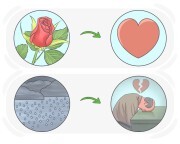
an idea, feeling, or meaning that is implied, suggested, or associated with a word or expression beyond its literal definition
konotasi, makna tersirat
the condition when a word, phrase, or concept from one language lacks an equivalent or precise translation in another language due to cultural, linguistic, or contextual differences
ketidakterjemahan, ketidakterungkapkan
a word or phrase that belongs to the same semantic field as another word or phrase and shares the same hypernym, representing a distinct subcategory or specific instance within that field
ko-hiponim, hiponim bersama
a word that is more general and encompasses a broader category of related terms
hipernim, istilah umum
Memahami hipernim membantu dalam mengorganisir dan mengkategorikan kosakata ke dalam struktur hierarkis.
the entity, typically inanimate, used by an agent to carry out an action or initiate a process
alat, perkakas
the main focus or subject of a sentence or an action
tema, subjek
the additional connotations or associations that a word or expression may evoke beyond its literal or primary meaning
makna asosiatif, arti asosiatif
the basic and direct meaning of a word or phrase, representing the ideas it conveys
makna konseptual, arti konseptual
the minimal, irreducible unit of meaning within a word
akar semantik, dasar semantik
the condition in which a word or expression has only one primary or dominant meaning, without significant ambiguity or variation in interpretation
monosemi, ketunggalan makna
a fundamental unit of language linking a signifier to what it signifies
tanda, simbol
the physical or perceptible form of a sign, such as a word, sound, image, or gesture, that represents or signifies a particular meaning or concept
penanda, perwakilan
the concept, meaning, or idea that a sign represents or signifies
signified, konsep yang diwakili
the entity that undergoes or experiences an action or change as a result of an event
pasien, subjek
a semantic role assigned to the entity that undergoes an emotional or perceptual experience, such as feeling, sensing, or perceiving something
pengalami, subjek pengalaman
a role assigned to the entity that represents the target or endpoint of an action or movement
tujuan, sasaran
the entity in a sentence or construction that represents the origin, starting point, or point of departure of an action, movement, or transfer
sumber, asal
a thematic role associated with a noun phrase that indicates the place or position where an action or state occurs
lokasi, tempat
(semantics) the person who benefits from an action in a sentence
penerima manfaat, penerima
