
Lingvistică - Semantică
Aici vei învăța câteva cuvinte în engleză legate de semantică, cum ar fi "sinonimie", "epitet" și "semnificant".
Revizuire
Fișe de studiu
Ortografie
Chestionar

the relationship between words or expressions that have similar or identical meanings, or nearly identical meanings, in a particular context or language

sinonimie, relația de sinonimie
the relationship between words or expressions that have opposite or contrasting meanings
antonimie, relație de antonimie
a hierarchical relationship between words, where one word, the hyponym, represents a more specific or subordinate category within the meaning of another word, the hypernym
hiponimie, relație de hiponimie
something or someone that is the most common example of a particular group, class, etc.
prototip, model
Stilul său de conducere a devenit prototipul pentru viitorii manageri ai companiei.
a linguistic phenomenon where words share the same form but have different meanings, contributing to lexical ambiguity and requiring context for proper interpretation
omonimie, fenomen lingvistic în care cuvintele împărtășesc aceeași formă dar au semnificații diferite
a linguistic phenomenon where different words have the same or similar pronunciation but may have different spellings and meanings, resulting in potential confusion and ambiguity in oral communication
omofonie, fenomenul omofoniei
the phenomenon in language where a single word has multiple related meanings or senses
polisemie, fenomenul polisemiei
Lingviștii studiază polisemia pentru a înțelege cum cuvintele dobândesc și mențin diverse semnificații în diferite contexte.
a type of figurative language that involves the unconventional or strained use of words, often resulting in an unexpected or exaggerated expression
catacreză, abuz de limbaj
the range of meaning or influence that a word, phrase, or grammatical element covers in a sentence or discourse
sferă de acțiune, întindere
Particula negativă are un domeniu asupra întregii propoziții.
the way in which language expresses the speaker's or writer's attitude, opinion, or degree of certainty regarding a statement or proposition
modalitate, mod
a graphical representation or structure that depicts relationships between concepts or entities in a language or knowledge domain
rețea semantică, structură semantică
the specific meaning or interpretation of a word in a given context or language
sensul cuvântului, înțelesul cuvântului
the study of how one word's meaning represents a specific way or type of another word's meaning within a particular category or field of language
troponimie, studiul troponimelor
a grammatical concept that represents the relationship between a noun phrase and the action or state described by a verb, indicating the role or function of the noun phrase in the event or situation
rol tematic
a psychological phenomenon where repeated exposure to a word or phrase leads to a temporary loss of its meaning or sense of familiarity
sățiere semantică, saturare semantică
a sequence of words or terms in a text that are semantically related or connected by their meaning
lanț lexical, secvență semantică
a group or set of words that are related in meaning and share a common semantic theme or category
câmp semantic, domeniu semantic
the connections or associations between words or concepts based on their meaning
relație semantică, legătură semantică
a cognitive mechanism in which abstract or complex ideas are understood and expressed in terms of more concrete or familiar concepts
metaforă conceptuală, metaforă cognitivă
a cognitive process in which one concept is understood or represented in terms of another concept based on a conceptual or cognitive association between them, often involving contiguity or a part-whole relationship
metonimie conceptuală, metaforă conceptuală
a grammatical role or semantic role that refers to the entity that performs or initiates an action or event in a sentence or a clause
agent, actor
a process where the meaning of a word or concept expands or becomes more inclusive, encompassing a wider range of referents or interpretations than its original or core meaning
lărgire, extindere
a word or phrase applied to something to convey its character or essence in a descriptive sense
epitet, calificativ
Fanii au început să-și numească cu drag quarterback-ul lor preferat "Căpitanul Revenirea" ca un epitet pentru abilitatea lui de a conduce acțiuni câștigătoare la finalul meciului.
the specific sense or interpretation attributed to a word in a particular context
sensul cuvântului, înțelesul cuvântului
a situation where a language lacks a specific word or lexical item to express a particular concept or meaning
gol accidental, gol lexical accidental
a word that carries semantic meaning and contributes to the overall content and understanding of a sentence, such as nouns, verbs, adjectives, and adverbs
cuvânt de conținut, cuvânt lexical

a linguistic concept that describes the relationship between a word that represents a whole object and a word that represents a part or subset of that object
meronimie, relație parte-întreg
a structured system of signs, symbols, or codes that are used to communicate meaning within a particular context or domain
sistem de semne, sistem semiotic
a type of definition that uses the term being defined as part of the definition itself, resulting in an uninformative or logically flawed explanation
definiție circulară, definiție tautologică
the act or process of explaining the meaning of a word, concept, or term
definiție
Dicționarul a furnizat o definiție clară a termenului.
a term used in semantics and linguistics to refer to a word that represents a whole or complete entity, while its parts are referred to as meronyms
holonim, termen holonimic
(grammar) one of two or more words that are spelled the same but differ in meaning
omograf, cuvânt omograf
Cuvântul omograf este un omograf, deoarece poate însemna atât un tip de metal, cât și a ghida.
a word or phrase that describes or provides information about something
descriptor, cuvânt descriptiv
the objective and dictionary-based meaning of a word, representing its core and universally accepted definition
denotație, sens obiectiv
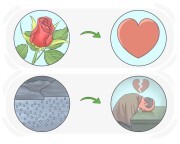
an idea, feeling, or meaning that is implied, suggested, or associated with a word or expression beyond its literal definition
conotație, subînțeles
the condition when a word, phrase, or concept from one language lacks an equivalent or precise translation in another language due to cultural, linguistic, or contextual differences
intraductibilitate, inexprimabilitate
a word or phrase that belongs to the same semantic field as another word or phrase and shares the same hypernym, representing a distinct subcategory or specific instance within that field
co-hiponim, cohiponim
a word that is more general and encompasses a broader category of related terms
hiperonim, termen general
Un hiperonim este un cuvânt care reprezintă o categorie sau un termen mai general care cuprinde cuvinte mai specifice în cadrul acelei categorii.
the entity, typically inanimate, used by an agent to carry out an action or initiate a process
instrument, unealtă
Ciocanul a servit ca instrument pentru baterea cuielor.
the additional connotations or associations that a word or expression may evoke beyond its literal or primary meaning
semnificație asociativă, sens asociativ
the basic and direct meaning of a word or phrase, representing the ideas it conveys
semnificație conceptuală, sens conceptual
the minimal, irreducible unit of meaning within a word
rădăcină semantică, bază semantică
the condition in which a word or expression has only one primary or dominant meaning, without significant ambiguity or variation in interpretation
monosemie, univocitate
a fundamental unit of language linking a signifier to what it signifies
semn, simbol
În semiotică, un semn combină formă și semnificație.
the physical or perceptible form of a sign, such as a word, sound, image, or gesture, that represents or signifies a particular meaning or concept
semnificant, reprezentant
the concept, meaning, or idea that a sign represents or signifies
semnificat, concept reprezentat
the entity that undergoes or experiences an action or change as a result of an event
pacient, subiect
a semantic role assigned to the entity that undergoes an emotional or perceptual experience, such as feeling, sensing, or perceiving something
experimentator, subiect experimental
a role assigned to the entity that represents the target or endpoint of an action or movement
țintă, scop
the entity in a sentence or construction that represents the origin, starting point, or point of departure of an action, movement, or transfer
sursă, origine
În propoziția „Ea a trimis o scrisoare prietenei sale”, sursă este entitatea acțiunii.
a thematic role associated with a noun phrase that indicates the place or position where an action or state occurs
locație, loc
(semantics) the person who benefits from an action in a sentence
beneficiar, destinatar
Profesorul a citit elevilor o poveste. Elevii sunt beneficiarii pentru că au ocazia să audă povestea.
