



精神過程の動詞 - 認知と知覚のための動詞

ここでは、「理解する」、「解読する」、「気づく」などの認知と知覚に関するいくつかの英語の動詞を学びます。

review-disable

レビュー

flashcard-disable

フラッシュカード

spelling-disable

綴り

quiz-disable

クイズ

学習を開始
精神過程の動詞
to know [動詞]
اجرا کردن

知る

Ex: Do you know where the nearest gas station is ?

最も近いガソリンスタンドがどこにあるか知っていますか?

اجرا کردن

理解する

Ex: Can you help me understand this equation ?

この方程式を理解するのを手伝ってくれませんか?

اجرا کردن

解釈する

Ex: Psychologists interpret dreams to gain insights into a person 's subconscious thoughts .

心理学者は、人の潜在意識の思考を理解するために夢を解釈します。

اجرا کردن

理解する

Ex: It took me a while to comprehend the complex mathematical theorem , but with practice , I finally understood it .

複雑な数学の定理を理解するのに時間がかかりましたが、練習を重ねて、ついに理解できました。
اجرا کردن

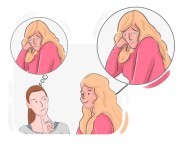
理解する

Ex: After spending time together , she began to figure out the reasons behind her friend 's behavior .

一緒に時間を過ごした後、彼女は友人の行動の背後にある理由を理解し始めました。
اجرا کردن

理解する

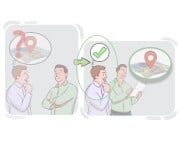
Ex: The teacher used various examples and analogies to help the students apprehend the complex scientific theory .

教師は、生徒が複雑な科学理論を理解するのを助けるために、さまざまな例や比喩を使用しました。
to decipher [動詞]
اجرا کردن

解読する

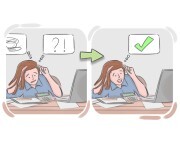
Ex: Students may need to decipher complex scientific texts to grasp the concepts .

学生は、概念を理解するために複雑な科学テキストを解読する必要があるかもしれません。

to realize [動詞]
اجرا کردن

気づく

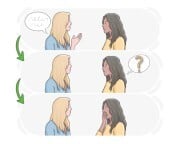
Ex: As he read the letter , he began to realize the depth of her feelings .

手紙を読みながら、彼は彼女の気持ちの深さを悟り始めた。

to dawn on [動詞]
اجرا کردن

明らかになる

Ex:

彼女の目に失望を見たとき、彼は彼女を失望させたことが分かり始めた

to occur to [動詞]
اجرا کردن

頭に浮かぶ

Ex: As I was reading the book , an interesting idea occurred to me .

本を読んでいるとき、面白い考えが 浮かびました

to fathom [動詞]
اجرا کردن

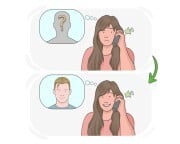
理解する

Ex: The novel 's intricate plot required readers to fathom the characters ' motivations .

小説の複雑なプロットは、読者が登場人物の動機を理解することを必要とした。

اجرا کردن

見抜く

Ex: She saw through his lies and knew he was hiding something .

彼女は彼の嘘を見抜いて、彼が何かを隠していることを知っていた。

to savvy [動詞]
اجرا کردن

理解する

Ex: The experienced negotiator quickly savvied the subtle cues in the conversation .

経験豊富な交渉者は会話の微妙な手がかりを素早く理解した

اجرا کردن

認識する

Ex: She recognized the painting as a famous work by Monet .

彼女はその絵をモネの有名な作品だと認識した

to grok [動詞]
اجرا کردن

深く理解する

Ex: As a therapist , she strives to grok her clients ' emotional experiences to provide effective support .

セラピストとして、彼女は効果的なサポートを提供するためにクライアントの感情的な経験をgrokしようと努めています。
to discern [動詞]
اجرا کردن

見分ける

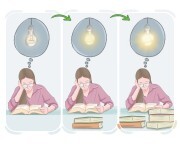
Ex: He slowly discerned that his approach to the problem was flawed .

彼はゆっくりと、問題への自分のアプローチに欠陥があると悟った

to construe [動詞]
اجرا کردن

解釈する

Ex: Lawyers often construe legal documents to understand their implications .

弁護士は、法的文書の意味を理解するためにしばしば解釈します。

to identify [動詞]
اجرا کردن

識別する

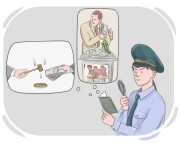
Ex: The detective easily identifies the suspect from the security footage .

探偵はセキュリティ映像から容疑者を簡単に特定します。

to cognize [動詞]
اجرا کردن

理解する

Ex: The child began to cognize the colors around them as they developed visual awareness .

子供は視覚的な認識を発達させながら、周りの色を認識し始めました。

to notice [動詞]
اجرا کردن

気づく

Ex: I could n't help but notice the beautiful sunset as I walked along the beach .

ビーチを歩いているとき、美しい夕日を気づかずにはいられなかった

to sink in [動詞]
اجرا کردن

徐々に理解する

Ex: The impact of the tragedy slowly sank in as the community mourned .

悲劇の影響は、コミュニティが喪に服している間にゆっくりと理解されました

اجرا کردن

区別する

Ex: The detective could distinguish the authentic painting from the clever forgery .

その探偵は本物の絵画と巧妙な偽物を見分けることができた。

اجرا کردن

to distinguish or identify between two things based on knowledge or familiarity

Ex: I know good coffee from bad just by the smell.
to think [動詞]
اجرا کردن

考える

Ex: He couldn't think of a good answer to the question.

彼はその質問に対する良い答えを考えることができなかった。

to see [動詞]
اجرا کردن

理解する

Ex: After hearing her explanation , I can see why she made that decision .

彼女の説明を聞いて、彼女がその決断をした理由が分かる

to deduce [動詞]
اجرا کردن

推論する

Ex: From the evidence presented , the detective deduced the likely sequence of events .

提示された証拠から、探偵は出来事の可能性のある順序を推論した。

to infer [動詞]
اجرا کردن

推論する

Ex: After observing the pattern of behavior , the detective could infer that the suspect was familiar with the victim .

行動パターンを観察した後、探偵は容疑者が被害者を知っていると推論することができた。

to gather [動詞]
اجرا کردن

理解する

Ex: Observing the subtle cues in the conversation , she could gather that her colleague was feeling uneasy about the upcoming changes in the project .

会話の中の微妙な手がかりを観察することで、彼女は同僚がプロジェクトの今後の変更について不安を感じていることを理解することができた。

to intuit [動詞]
اجرا کردن

直感する

Ex: He could intuit that something was bothering his friend based on the subtle change in his demeanor .

彼は友人の態度の微妙な変化に基づいて、何かが友人の悩みの種であることを直感できた。

to make out [動詞]
اجرا کردن

理解する

Ex: How did you make out the answer to that riddle ?

そのなぞなぞの答えをどうやって理解したのですか?

to perceive [動詞]
اجرا کردن

感知する

Ex: As she touched the fabric , she perceived its softness and knew it was made of silk .

彼女がその布に触れたとき、その柔らかさを感知し、それが絹でできていることを知りました。

to sense [動詞]
اجرا کردن

感じる

Ex: He could n’t sense the underlying message in the letter at first .

彼は最初、手紙に込められたメッセージを感じ取ることができなかった。

to read [動詞]
اجرا کردن

読む

Ex: I can read this book easily .

私はこの本を簡単に読むことができます。

اجرا کردن

注意深く読む

Ex: She read through the manuscript , highlighting grammatical errors and suggesting improvements .

彼女は原稿を注意深く読み、文法上の誤りを強調し、改善を提案しました。