
Verbes de Processus Mentaux - Verbes pour la cognition et la perception
Ici, vous apprendrez quelques verbes anglais liés à la cognition et à la perception tels que "comprendre", "déchiffrer" et "réaliser".
Réviser
Flashcards
formes
Orthographe
Quiz


to have some information about something

savoir

to know something's meaning, particularly something that someone says
comprendre

to understand or assign meaning to something
interpréter, comprendre
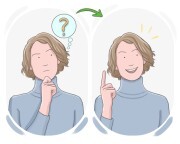
to fully understand something, especially something complicated
comprendre
La conférence du professeur était si approfondie que les étudiants ont pu comprendre les détails complexes du sujet.
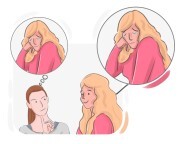
to reach an understanding of a person's actions, motives, or personality
comprendre, déchiffrer
Cela a pris un certain temps, mais il a finalement compris les motivations derrière les décisions de son collègue.
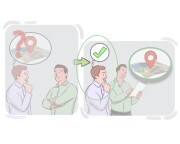
to mentally grasp or understand
comprendre, saisir
Il a fallu un certain temps à l'équipe pour appréhender les subtilités du nouveau système logiciel.
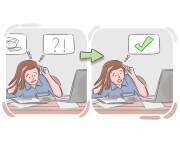
to interpret or understand something that is difficult or unclear
déchiffrer, interpréter
Déchiffrer une carte est crucial pour la navigation en terrain inconnu.
to have a sudden or complete understanding of a fact or situation
réaliser
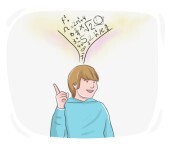
to become clear, evident, or understood, particularly after some time
devenir progressivement clair pour quelqu'un, comprendre après un certain temps la signification de quelque chose
Il a fallu un moment, mais ensuite il a commencé à se rendre compte qu'il avait mal compris les instructions.

(of thoughts and ideas) to come to someone's mind
venir à l'esprit, traverser l'esprit
Des idées pour de nouveaux projets viennent fréquemment à l'esprit de l'équipe créative.
to understand and make sense of something after giving it a lot of thought
comprendre
Il lui a fallu un certain temps pour comprendre les complexités de la théorie scientifique.

to understand the true intentions of something or someone
percer à jour, voir clair dans
Le professeur peut voir à travers les excuses lorsque les élèves n'ont pas fait leurs devoirs.
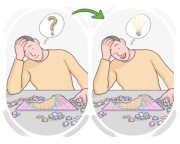
to understand something
comprendre, saisir
Après avoir étudié le manuel, elle a compris comment utiliser la machinerie complexe.
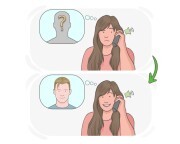
to know who a person or what an object is, because we have heard, seen, etc. them before
reconnaître
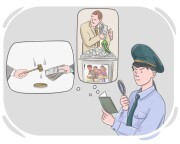
to deeply understand something
comprendre profondément, saisir profondément
Le détective a progressivement groké les motifs derrière la série d'événements apparemment aléatoires.

to understand something through thought or reasoning
discerner, percevoir
Il a discerné un motif dans les données après des heures d'analyse.

to interpret a certain meaning from something
interpréter, exprimer
Il est essentiel de bien interpréter les termes d'un contrat avant de le signer.
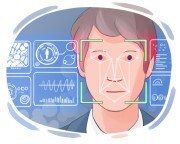
to be able to say who or what someone or something is
identifier
to understand or become aware of something through thinking or consciousness
comprendre, prendre conscience
Alors qu'il lisait l'article, il a commencé à comprendre les points clés et les idées principales.

to pay attention and become aware of a particular thing or person
remarquer
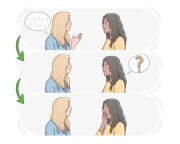
to gradually understand a concept, often accompanied by an emotional response
comprendre progressivement quelque chose, assimiler progressivement un fait et son impact émotionnel
La complexité du problème a commencé à faire son effet pendant la discussion.
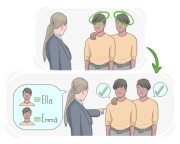
to recognize and mentally separate two things, people, etc.
distinguer

to distinguish or identify between two things based on knowledge or familiarity

to use your mind to understand something, solve a problem, make a decision, etc. or to use it to consider someone or something
réfléchir, penser
to realize or understand something
voir, comprendre
to determine by a process of logical reasoning
déduire, conclure
Les scientifiques ont déduit la présence d'une nouvelle planète en se basant sur des anomalies dans les données observées.
to reach an opinion or decision based on available evidence and one's understanding of the matter
déduire
Les enseignants demandent souvent aux élèves de déduire le sens des mots à partir du contexte d'une phrase.
to understand information based on what is available
comprendre, déduire
to grasp or comprehend something instinctively and without conscious reasoning
pressentir, deviner
Le thérapeute pouvait intuiter les émotions non exprimées du client à travers ses expressions faciales et sa posture.
to understand something, often with effort
comprendre avec difficulté, saisir
Je n'ai pas pu vraiment comprendre la raison de son comportement soudain.
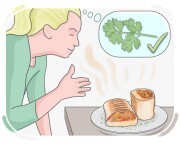
to notice or become aware of something, especially through the senses
percevoir, discerner, déceler
to comprehend or interpret the meaning of something
sentir, percevoir

to look at written or printed words or symbols and understand their meaning
lire
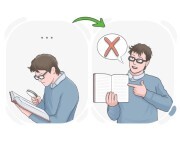
to carefully read something from start to finish, often with the purpose of identifying errors
lire attentivement, parcourir en détail
Il a lu attentivement la pièce, se plongeant dans l'histoire et les personnages pour mieux les incarner sur scène.
