
pattern

TOEFL을 위한 필수 어휘 - Politics

여기에서 TOEFL 시험에 필요한 "정상 회담", "날개", "상원" 등과 같은 정치에 관한 몇 가지 영어 단어를 배우게 됩니다.

리뷰

플래시카드

철자법

퀴즈

학습 시작
Essential Words Needed for TOEFL
regime
regime
[명사]

a system of governing that is authoritarian and usually not selected in a fair election

정권, 권위주의 정부

정권, 권위주의 정부

Ex: The previous regime was known for its human rights violations. 
닫기
로그인
ambassador
ambassador
[명사]

a senior official whose job is living in a foreign country and representing their own country

대사, 사절

대사, 사절

Ex: The ambassador hosted a reception at the embassy to strengthen diplomatic relations between the two nations. 
닫기
로그인
embassy
embassy
[명사]

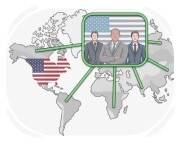
the ambassador and the staff who represent their government in a foreign country

대사관, 외교 대표부

대사관, 외교 대표부

Ex: The embassy attended the peace conference as official representatives of their nation. 
닫기
로그인
summit
summit
[명사]

a formal meeting of leaders, especially heads of government

정상회담, 정상회의

정상회담, 정상회의

Ex: The leaders attended a climate summit in Geneva. 
닫기
로그인
wing
wing
[명사]

members of a political party or other organization who have a certain function or share certain views

날개, 파벌

날개, 파벌

Ex: The conservative wing of the party pushed for tax cuts and deregulation. 
닫기
로그인
spokesperson
spokesperson
[명사]

a person who speaks formally for an organization, government, etc.

대변인, 대표자

대변인, 대표자

Ex: The spokesperson for the company issued a statement addressing the recent controversy. 
닫기
로그인
bureaucracy
bureaucracy
[명사]

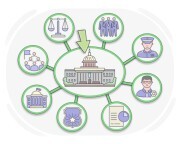
a system of government that is controlled by officials who are not elected rather employed

관료제, 관료 행정

관료제, 관료 행정

Ex: Within a bureaucracy, officials are employed based on expertise rather than being chosen through popular votes. 
닫기
로그인
democracy
democracy
[명사]

a form of government where the power is vested in the hands of the people, either directly or through elected representatives

민주주의

민주주의

Ex: In a democracy, all citizens have the right to express their opinions freely and participate in decision-making processes. 
닫기
로그인
democratic
democratic
[형용사]

related to or characteristic of a system of government where power comes from the people through free elections and respects individual rights

민주적인, 민주주의와 관련된

민주적인, 민주주의와 관련된

Ex: The democratic process allows citizens to participate in decision-making through voting. 
닫기
로그인
democrat
democrat
[명사]

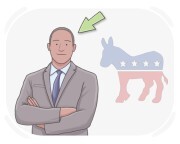
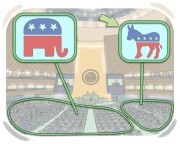
someone who supports social equality, healthcare reform, environmental protection, and a more active role for government in addressing social issues

민주당원, 사회 민주주의 지지자

민주당원, 사회 민주주의 지지자

Ex: As a Democrat, she believes in expanding access to healthcare for all citizens through government programs. 
닫기
로그인
Congress
Congress
[명사]

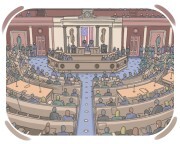
the legislative body of the United States, consisting of the Senate and the House of Representatives

의회, 입법 기관

의회, 입법 기관

Ex: Congress passed a new healthcare bill. 
닫기
로그인
parliament
parliament
[명사]

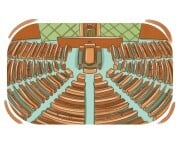
the group of elected representatives whose responsibility is to create, amend, and discuss laws or address political matters

의회

의회

Ex: The parliament convened to debate the proposed healthcare reform bill. 
닫기
로그인
Senate
Senate
[명사]

the upper chamber of the United States Congress, responsible for lawmaking, oversight, and approval of appointments

상원, 상의원

상원, 상의원

Ex: The Senate confirmed the new Supreme Court justice. 
닫기
로그인
senator
senator
[명사]

a person elected to serve in a Senate, the upper house of a legislature

상원의원, 상원의원

상원의원, 상원의원

Ex: The senator spoke about new healthcare legislation. 
닫기
로그인
cabinet
cabinet
[명사]

senior members of a government who make decisions and control the policy of the government

내각

내각

Ex: The Prime Minister announced changes to the cabinet, appointing new ministers to key portfolios. 
닫기
로그인
slogan
slogan
[명사]

a short memorable phrase that is used in advertising to draw people's attention toward something

슬로건, 표어

슬로건, 표어

Ex: The company's slogan "Just Do It" became synonymous with their brand, inspiring millions of athletes worldwide. 
닫기
로그인
campaign
campaign
[명사]

a set of actions organized in order to serve a political purpose

캠페인

캠페인

Ex: The presidential campaign included speeches in all 50 states. 
닫기
로그인
conservative
conservative
[명사]

a person who aligns with or supports the principles and policies traditionally associated with conservative political ideologies

보수주의자, 전통주의자

보수주의자, 전통주의자

Ex: The conservative candidate won the election by a narrow margin. 
닫기
로그인
dictatorship
dictatorship
[명사]

a form of government where power is concentrated in the hands of a single individual or a small group, often with absolute authority, without the consent of the people

독재, 독재 정권

독재, 독재 정권

Ex: Under the dictatorship, citizens had no freedom of speech or assembly. 
닫기
로그인
dictator
dictator
[명사]

a ruler that has total power over a state, particularly a ruler who gained power through force

독재자, 폭군

독재자, 폭군

Ex: The dictator imposed strict censorship laws to suppress any opposition to his regime. 
닫기
로그인
council
council
[명사]

a group of elected people who govern a city, town, etc.

의회, 평의회

의회, 평의회

Ex: She was elected to serve on the local council. 
닫기
로그인
poll
poll
[명사]

the act of casting or counting votes, or the location where this occurs

투표, 투표소

투표, 투표소

Ex: Turnout at the polls was higher than expected. 
닫기
로그인
diplomacy
diplomacy
[명사]

the job, skill, or act of managing the relationships between different countries

외교

외교

Ex: Diplomacy helped prevent the two nations from going to war. 
닫기
로그인
diplomat
diplomat
[명사]

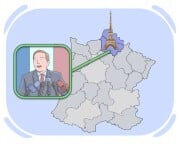
an official representing a country's government in foreign relations

외교관, 외교 대표

외교관, 외교 대표

Ex: The diplomat negotiated a trade agreement between two neighboring countries. 
닫기
로그인
federal
federal
[형용사]

relating to the central government of a country rather than the local or regional governments

연방의, 중앙의

연방의, 중앙의

Ex: Federal laws apply uniformly across the entire country. 
닫기
로그인
republic
republic
[명사]

a governing system in which the supreme power is held by people and their chosen representatives

공화국, 공화국

공화국, 공화국

Ex: The nation declared itself a republic after overthrowing the monarchy. 
닫기
로그인
Republican
Republican
[명사]

(in the US) someone who supports or is a member of the Republican Party

공화당원, 공화당 당원

공화당원, 공화당 당원

닫기
로그인
extremism
extremism
[명사]

religious or political actions, beliefs, or ideas that most people find them extreme, unreasonable, and abnormal

극단주의, 급진주의

극단주의, 급진주의

Ex: The rise of political extremism in the region has led to increased tensions and conflicts among communities. 
닫기
로그인
radical
radical
[명사]

a person who holds extreme or unconventional ideas or opinions

급진주의자, 극단주의자

급진주의자, 극단주의자

Ex: The radical spoke passionately at the town hall. 
닫기
로그인
free trade
free trade
[명사]

a system of international trading in which there are no restrictions or taxes on goods bought or sold

자유 무역, 프리 트레이드

자유 무역, 프리 트레이드

Ex: Many economists argue that free trade agreements promote economic growth by reducing barriers to international commerce. 
닫기
로그인
governor
governor
[명사]

a person who is in charge of a state, region, or territory

주지사, 통치자

주지사, 통치자

Ex: The governor signed a new law for the state. 
닫기
로그인
liberal
liberal
[형용사]

related to or characteristic of a political ideology that emphasizes individual freedoms, equality, and government intervention for social welfare and economic opportunity

자유주의의

자유주의의

Ex: His liberal views prioritize tolerance, diversity, and progressive social change. 
닫기
로그인
independence
independence
[명사]

the state of being free from the control of others

독립, 자치

독립, 자치

Ex: The country gained its independence after years of colonial rule. 
닫기
로그인
monarchy
monarchy
[명사]

a system of government or a country or state that is ruled by a king or queen

군주제, 왕국

군주제, 왕국

Ex: The monarchy has existed in the country for centuries, with the king serving as the head of state. 
닫기
로그인
propaganda
propaganda
[명사]

information and statements that are mostly biased and false and are used to promote a political cause or leader

선전

선전

Ex: The regime used propaganda to control the narrative and maintain public support. 
닫기
로그인
anarchy
anarchy
[명사]

the state of an organization or country that is lacking in order, authority, or control

무정부 상태, 혼란

무정부 상태, 혼란

Ex: The country descended into anarchy after the government was overthrown. 
닫기
로그인
opposition
opposition
[명사]

the main political party opposed to the government

야당

야당

Ex: The opposition criticized the government's handling of the economic crisis. 
닫기
로그인
revolution
revolution
[명사]

the fundamental change of power, government, etc. in a country by people, particularly involving violence

혁명

혁명

Ex: The revolution led to the overthrow of the monarchy and the establishment of a republic. 
닫기
로그인
to reform
to reform
[동사]

to make a society, law, system, or organization better or more effective by making many changes to it

개혁하다, 개선하다

개혁하다, 개선하다

Ex: The government aims to reform the education system to ensure equal access to quality education for all students. 
닫기
로그인
LanGeek
LanGeek 앱 다운로드