
Cambridge English: CAE (C1 Advanced) - Perspektywy, Przekonania i Radzenie Sobie z Wyzwaniami
Poznaj zaawansowane słownictwo CAE dotyczące perspektyw, przekonań i wyzwań, w tym punkty widzenia, założenia, postawy, radzenie sobie, przeszkody i podejścia do trudnych sytuacji.
Przegląd
Fiszki
formy
Pisownia
Test
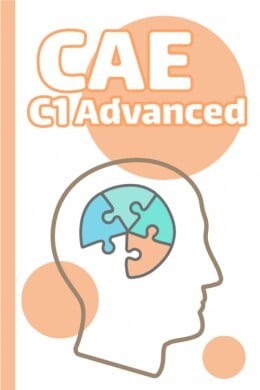

a widely accepted opinion that is generally assumed to be true, often without questioning

konwencjonalna mądrość, powszechnie akceptowana opinia
Konwencjonalna mądrość mówi, że śniadanie to najważniejszy posiłek.
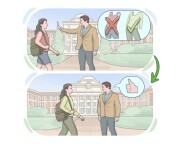
a fundamental rule that is considered to be true and can serve as a basis for further reasoning or behavior
zasada
an idea or belief that one thinks is true without having a proof
założenie, hipoteza
involving or comparing two or more different cultures, especially to understand their differences or similarities
międzykulturowy, transkulturowy
Różnice międzykulturowe mogą powodować nieporozumienia w globalnych zespołach.
the state of being affected by facts and statistics instead of personal opinions and feelings
obiektywność
Nauczyciele powinni dążyć do obiektywności podczas oceniania pracy uczniów, aby zapewnić sprawiedliwość.
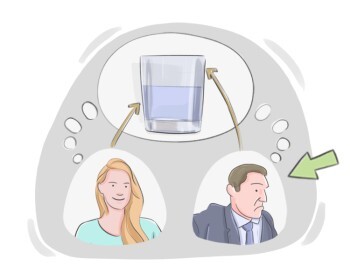
never considering the good qualities of someone or something and is often quick to lose hope
negatywny, pesymistyczny
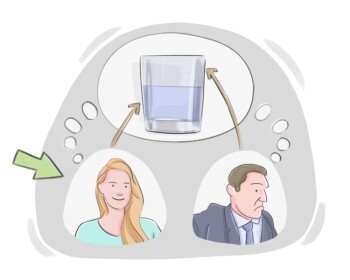
having a hopeful and positive outlook on life, expecting good things to happen
optymistyczny, pełen nadziei
Nawet w obliczu przeciwności losu zachował optymistyczne nastawienie, skupiając się na potencjalnych rozwiązaniach, a nie na problemach.

the negative quality of having doubts about the future and expect the worst possible outcomes
pesymizm
Zdała sobie sprawę, że jej pesymizm ograniczał jej możliwości.
feeling optimistic and thinking about the bright side of a situation
pozytywny, optymistyczny
the quality of being suggestive of a likely successful outcome
optymizm, pozytywność
Pozytywność w przywództwie może poprawić morale pracowników.
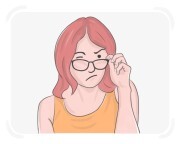
having doubts about something's truth, validity, or reliability
sceptyczny, niedowierzający
Mary była sceptyczna wobec recenzji online i postanowiła zbadać produkt sama.
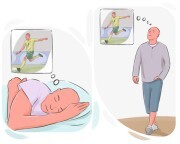
to have a strong desire to achieve or do something
bardzo pragnąć, być zdecydowanym na coś
Postanowiłem nauczyć się grać na gitarze.
the act of imagining or hoping for something to be true, despite there being little or no evidence or likelihood of it actually happening
życzeniowe myślenie, iluzja
Obietnice polityka brzmiały bardziej jak życzeniowe myślenie niż realistyczne cele.
something that strongly attracts a person toward an action or choice they believe they should avoid
pokusa, zachęta

the image or idea that is formed based on how one understands something
postrzeganie, pojmowanie

a specific part or side of something that is worth considering
aspekt, strona
to suddenly or briefly see a thing or person
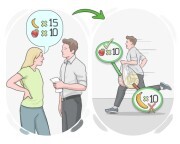
to fail to notice, see, or consider something
przeoczyć, pominąć
to make an educated guess about how likely something is to happen
szacować, oceniać
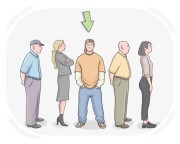
a person or thing that does not follow a general rule or is excluded from a class or group
wyjątek, szczególny przypadek

to closely watch a person or thing, particularly in order to make sure they are safe
mieć na oku, pilnować
Popilnuję zupy, żeby nie wykipiała.

to notice or see someone or something that is hard to do so
dostrzec, zauważyć

to think that something is probably true, especially something bad, without having proof
podejrzewać, podejrzewać

to carefully look at something
oglądać, obserwować
a proposal, offer, or suggestion presented for consideration, especially in business
propozycja, oferta
to be strongly affected or overwhelmed by a particular feeling or emotion
przezwyciężyć, ogarnąć
an unexpected or hidden difficulty or danger
pułapka, ukryta trudność
Jej doświadczenie pomogło jej rozpoznać pułapki w planie.

to expect or foresee that something is likely to happen

the best or most possible thing or action that can help one achieve success in something
najlepsza opcja, najpewniejsze rozwiązanie
Jeśli drogi są zamknięte, pociąg będzie najlepszą opcją.
a metaphorical barrier representing a difficult or awkward situation that impedes progress or resolution
ściana, bariera
following established practices or standards that are widely accepted or commonly used
konwencjonalny, tradycyjny
Jej konwencjonalne podejście do rozwiązywania problemów jest doceniane przez jej kolegów, którzy preferują tradycyjne metody.
