pattern

Cambridge English: CAE (C1 Advanced) - Analiza, Osąd i Rozwiązywanie Problemów

Poznaj zaawansowane słownictwo CAE dotyczące analizy, oceny i rozwiązywania problemów, w tym ocenę, rozumowanie, decyzje, rozwiązania, interpretację i myślenie krytyczne.

Przegląd

Fiszki

formy

Pisownia

Test
Zacznij naukę
Cambridge English: CAE (C1 Advanced)
the matter at hand

the issue, topic, or task currently being dealt with or discussed

Ex: She kept bringing up unrelated points instead of the matter at hand. 
criteria
criteria
[Rzeczownik]

the guidelines or principles that help decide whether something meets a specific expectation or requirement

kryteria

kryteria

Ex: The competition set high criteria for selecting the best candidates. 

Konkurs ustalił wysokie kryteria wyboru najlepszych kandydatów.

deduction
deduction
[Rzeczownik]

the process of using general rules or ideas to make a specific conclusion

dedukcja, rozumowanie dedukcyjne

dedukcja, rozumowanie dedukcyjne

Ex: The scientist used deduction to predict the experiment’s outcome. 

Naukowiec użył dedukcji, aby przewidzieć wynik eksperymentu.

hypothesis
hypothesis
[Rzeczownik]

a proposed explanation for a situation or set of facts that has not yet been proved

hipoteza,  przypuszczenie

hipoteza, przypuszczenie

Ex: Researchers rejected the hypothesis after examining the data. 
classification
classification
[Rzeczownik]

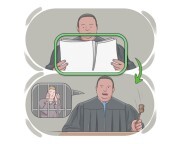
the act or process of arranging people, things, or information into groups according to shared characteristics

klasyfikacja,  klasyfikowanie
klasyfikacja, klasyfikowanie

Ex: The system allows rapid classification of products into different categories. 
proof
proof
[Rzeczownik]

evidence that establishes or strongly demonstrates that something is true or exists

dowód,  dowód rzeczowy

dowód, dowód rzeczowy

Ex: Researchers still lack proof that the treatment is effective. 
to determine
to determine
[Czasownik]

to decide on something after careful consideration

ustalać, decydować

ustalać, decydować

Ex: After evaluating the options, she will determine the most cost-effective solution for the company. 
to rule out
to rule out
[Czasownik]

to eliminate an option or idea from consideration due to it appearing impossible to realize

wykluczyć, wyeliminować

wykluczyć, wyeliminować

Ex: They decided to rule certain chemicals out due to safety concerns. 

Postanowili wykluczyć niektóre substancje chemiczne ze względów bezpieczeństwa.
to ascertain
to ascertain
[Czasownik]

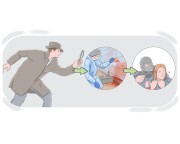
to determine something with certainty by careful examination or investigation

ustalić, określić

ustalić, określić

Ex: I ascertain the facts before making a decision. 

Ustalam fakty przed podjęciem decyzji.

factor
factor
[Rzeczownik]

one of the things that affects something or contributes to it

czynnik, element

czynnik, element

Ex: Poor weather conditions were a significant factor in the cancellation of the outdoor event. 
insight
insight
[Rzeczownik]

a clear and deep understanding of a person, situation, problem, or subject

wgląd,  zrozumienie

wgląd, zrozumienie

Ex: His comments showed remarkable insight into the problem. 
intuition
intuition
[Rzeczownik]

the ability to understand or know something immediately, without conscious reasoning or evidence

intuicja, przeczucie

intuicja, przeczucie

Ex: His intuition told him the route was unsafe. 

Jego intuicja podpowiedziała mu, że trasa była niebezpieczna.
to overestimate
to overestimate
[Czasownik]

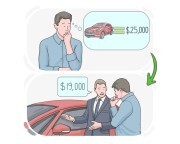
to guess or calculate a value, size, or etc. to be higher than it actually is

przeceniać, przeszacowywać

przeceniać, przeszacowywać

Ex: Don't overestimate the value of the car; it's not in great condition. 

Nie przeceniaj wartości samochodu; nie jest w najlepszym stanie.

to weigh up
to weigh up
[Czasownik]

to carefully consider the advantages and disadvantages of a situation before deciding

rozważać za i przeciw, starannie oceniać

rozważać za i przeciw, starannie oceniać

Ex: When faced with a dilemma, it's important to weigh up the ethical implications. 

W obliczu dylematu ważne jest, aby rozważyć implikacje etyczne.

angle
angle
[Rzeczownik]

a particular perspective or way of looking at a situation or issue

kąt, perspektywa

kąt, perspektywa

Ex: The documentary presented the story from a unique angle that hadn't been explored before. 
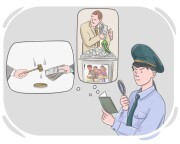
clue
clue
[Rzeczownik]

a sign, fact, or piece of information that helps someone discover the answer to a problem, mystery, or question

wskazówka
wskazówka

Ex: Doctors examined the test results for clues about the cause of his symptoms. 
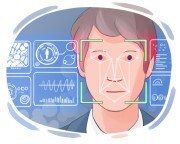
to detect
to detect
[Czasownik]

to notice or discover something that is difficult to find

wykrywać, odkrywać
wykrywać, odkrywać

Ex: The security system is designed to detect unauthorized access to the building. 
to identify
to identify
[Czasownik]

to be able to say who or what someone or something is

identyfikować,  rozpoznawać

identyfikować, rozpoznawać

Ex: The detective easily identifies the suspect from the security footage. 
to interpret
to interpret
[Czasownik]

to understand or assign meaning to something

interpretować, rozumieć

interpretować, rozumieć

Ex: Psychologists interpret dreams to gain insights into a person's subconscious thoughts. 
to think up
to think up
[Czasownik]

to generate ideas or concepts, often in a creative manner

wymyślić, wpaść na pomysł

wymyślić, wpaść na pomysł

Ex: Can you think some ideas up for our upcoming marketing campaign? 

Czy możesz wymyślić kilka pomysłów na naszą nadchodzącą kampanię marketingową?
to reconsider
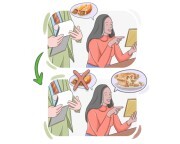
to reconsider
[Czasownik]

to think again about an opinion or decision, particularly to see if it needs changing or not

rozważyć ponownie, przemyśleć jeszcze raz

rozważyć ponownie, przemyśleć jeszcze raz

Ex: The board is reconsidering the proposal at the next meeting. 

Zarząd ponownie rozważa propozycję na następnym spotkaniu.

to survey
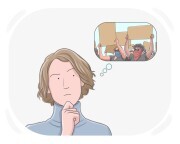
to survey
[Czasownik]

to collect information about a subject from a group of people by asking them questions

ankietować, badać
ankietować, badać

Ex: The designer surveyed potential users to get feedback on the prototype. 
to ponder
to ponder
[Czasownik]

to give careful thought to something, its various aspects, implications, or possibilities

rozmyślać, zastanawiać się

rozmyślać, zastanawiać się

Ex: I often ponder what might have been if I had taken a different fork in the road years ago. 

Często zastanawiam się, co by było, gdybym wiele lat temu wybrał inną drogę.

to envisage
to envisage
[Czasownik]

to imagine or consider something as a possible future situation

wyobrażać sobie,  przewidywać

wyobrażać sobie, przewidywać

Ex: The project was originally envisaged as a small community initiative. 
to exercise
to exercise
[Czasownik]

to begin to apply or use something

wykonywać, stosować

wykonywać, stosować

Ex: In the entertainment industry, artists may choose to exercise their contractual rights to control the use of their creative work. 
to grapple with
to grapple with
[Czasownik]

to attempt to deal with a challenging or difficult situation or problem

borykać się z, zmagać się z

borykać się z, zmagać się z

Ex: After the accident, he grappled with physical pain and emotional trauma. 

Po wypadku zmagał się z bólem fizycznym i traumą emocjonalną.

to unravel
to unravel
[Czasownik]

to make something clear or understandable

wyjaśniać, objaśniać

wyjaśniać, objaśniać

Ex: The article unraveled the causes of the crisis. 

Wyjaśnić przyczyny kryzysu, artykuł wyjaśnił sytuację.

foresight
foresight
[Rzeczownik]

the ability to predict or anticipate what might happen in the future

przewidywanie, dalekowzroczność

przewidywanie, dalekowzroczność

Ex: His foresight allowed him to invest before the market collapsed. 

Jego przezorność pozwoliła mu zainwestować przed załamaniem rynku.
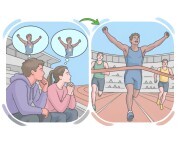
to live up to
to live up to
[Czasownik]

to fulfill expectations or standards set by oneself or others

sprostać oczekiwaniom, dorównać reputacji

sprostać oczekiwaniom, dorównać reputacji

Ex: The student lived up to their potential, excelling in their studies and earning a prestigious scholarship. 
to signify
to signify
[Czasownik]

to indicate a meaning

oznaczać, wskazywać

oznaczać, wskazywać

Ex: The presence of certain symptoms can signify an underlying medical condition. 

Obecność pewnych objawów może oznaczać podstawowy stan medyczny.

imaginative
imaginative
[przymiotnik]

displaying or having creativity or originality

pomysłowy, kreatywny

pomysłowy, kreatywny

Ex: The inventor's imaginative approach led to the creation of groundbreaking technology. 

Kreatywne podejście wynalazcy doprowadziło do stworzenia przełomowej technologii.

implication
implication
[Rzeczownik]

a possible consequence that something can bring about

implikacja,  konsekwencja

implikacja, konsekwencja

Ex: She understood the implications of her choice to move to a new city. 
LanGeek
Pobierz aplikację LanGeek
