
Trudności - Akceptacja i Ulga
Zanurz się w angielskich idiomach dotyczących akceptacji i ulgi, takich jak 'rzucić ręcznik' i 'cisza po burzy'.
Przegląd
Fiszki
Test
![to [come] to terms with {sth}](https://cdn.langeek.co/photo/46668/thumb/350?type=jpeg "to [come] to terms with {sth}")
to gradually learn to accept or deal with something unpleasant

pogodzić się z czymś, nauczyć się z tym żyć
W końcu pogodziłem się z utratą domu i zacząłem patrzeć w przyszłość.
![to [grin] and [bear] {sth}](https://cdn.langeek.co/photo/46420/thumb/350?type=jpeg "to [grin] and [bear] {sth}")
to accept or tolerate a difficult or undesirable situation that one cannot change without complaint
zacisnąć zęby i wytrzymać, znosić to bez słowa
Czasem trzeba znieść kiepską zmianę bez słowa, jeśli potrzebujesz pieniędzy.

an unpleasant thing that requires acceptance in order for a certain thing to be achieved
zło konieczne, przykra konieczność
Treningi w weekendy przed mistrzostwami wydawały się złem koniecznym.
![to [leave|let] well alone](https://cdn.langeek.co/photo/46655/thumb/350?type=jpeg "to [leave|let] well alone")
to not try to interfere or make changes in a situation or with something that is already functioning satisfactorily to avoid causing unnecessary problems
nie ruszać tego, nie szukać guza
Przepis już smakuje świetnie, więc nie ruszaj go i nie dodawaj więcej przypraw.
![to [let] {sb/sth} be](https://cdn.langeek.co/photo/42232/thumb/350?type=jpeg "to [let] {sb/sth} be")
to avoid getting involved with a person or thing or stop bothering them
zostawić w spokoju, nie wtrącać się
Jeśli dzieci bawią się spokojnie, zostaw je w spokoju.
![to [let] {sth} roll off {one's} [back]](https://cdn.langeek.co/photo/46322/thumb/350?type=jpeg "to [let] {sth} roll off {one's} [back]")
to not allow negative things such as an unfair criticism, etc. to have any effect on one
nie brać sobie do serca, puścić mimo uszu
Jeśli chcesz pracować w obsłudze klienta, musisz nie brać obelg do serca.

said to a person after they have an unpleasant or sad experience to encourage them to keep on living as they used to
trzeba iść dalej, życie toczy się dalej
Popłakała przez chwilę, a potem przypomniała sobie, że trzeba iść dalej.
![(load|weight) off {one's} [mind]](https://cdn.langeek.co/photo/45335/thumb/350?type=jpeg "(load|weight) off {one's} [mind]")
something that is finally dealt with and does not bother one anymore
kamień z serca, wielka ulga
Wiadomość, że dzieci dotarły bezpiecznie, była dla niego kamieniem z serca.
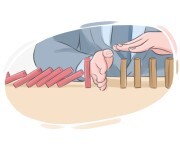
to regain control of oneself after being in a bad mood or emotional state
otrząsnąć się, wziąć się w garść
Trener kazał mu otrząsnąć się z frustracji przed drugą połową.
![to [take] {sth} on the chin](https://cdn.langeek.co/photo/40761/thumb/350?type=jpeg "to [take] {sth} on the chin")
to accept unpleasant or difficult things or situations, such as criticism or misfortune, without complaining
przyjąć to na klatę, przyjąć bez narzekania
Firma musiała przyjąć złą prasę na klatę.

said after an unfortunate event to mean one must accept the situation as it is
czasem tak po prostu wychodzi, trzeba to po prostu przyjąć
Ceny wzrosły zaraz po tym, jak sprzedaliśmy akcje, ale na rynku czasem tak po prostu wychodzi.
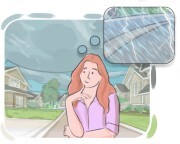
a peaceful time when things has improved following a period of difficulty, stress, or chaos
cisza po burzy, spokojny czas po chaosie
Po awaryjnych naprawach całe miasto cieszyło się spokojnym czasem po chaosie.

a time when everything seems peaceful or fine before serious problems arise
cisza przed burzą, spokój przed kłopotami
Po tygodniach kłótni nagły spokój wydawał się ciszą przed burzą.
a situation that is an absolute disaster or is the worst thing that could possibly happen
całkowita katastrofa, najgorsze, co może się stać
Nie panikuj; oblany egzamin to nie najgorsze, co może się stać.
used for saying that one must continue an activity, performance, etc. despite any problem or difficulty
trzeba grać dalej, przedstawienie musi trwać
Główny mówca odwołał udział, więc znaleźliśmy zastępstwo, bo trzeba było grać dalej.
used to say that one cannot control everything as bad things happen regardless
takie jest życie, nie na wszystko mamy wpływ
W tym roku nie dostał awansu; takie jest życie.
to accept the fact that one has been defeated
rzucić ręcznik, przyznać się do porażki
Byłem gotów przyznać się do porażki, ale trener powiedział mi, żebym spróbował jeszcze raz.
to deal with a bad or imperfect situation as positively as possible
a sign that a difficult period may soon improve or end
space, time, or freedom to think, rest, or recover
used to say that a heavy worry or burden is removed
a positive part of a bad situation
to stop worrying about, arguing about, or holding on to something emotionally
to take a break from stress, pressure, or intense work
used for telling someone to accept and consider something as true or valid, usually after a disagreement or argument
tak właśnie jest, czy ci się to podoba, czy nie
Twoja teoria brzmiała sprytnie, ale liczby dowodzą, że jest błędna; czy ci się to podoba, czy nie.
![to [live] from day to day](https://cdn.langeek.co/photo/41838/thumb/350?type=jpeg "to [live] from day to day")
to experience life in the present moment and focus less on long-term plans or financial preparations
żyć z dnia na dzień, żyć bez większego myślenia o jutrze
Życie z dnia na dzień początkowo dawało mu poczucie wolności, ale później zaczął martwić się o przyszłość.
