
Obtíže - Přijetí a Úleva
Ponořte se do anglických idiomů týkajících se přijetí a úlevy, jako 'hodit ručník' a 'klid po bouři'.
Revize
Kartičky
Kvíz
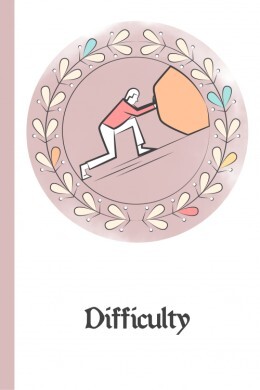
![to [come] to terms with {sth}](https://cdn.langeek.co/photo/46668/thumb/350?type=jpeg "to [come] to terms with {sth}")
to gradually learn to accept or deal with something unpleasant

smířit se s tím, naučit se s tím žít
Nikdy se opravdu nesmířila s odchodem z rodného města.
![to [grin] and [bear] {sth}](https://cdn.langeek.co/photo/46420/thumb/350?type=jpeg "to [grin] and [bear] {sth}")
to accept or tolerate a difficult or undesirable situation that one cannot change without complaint
zatnout zuby a vydržet, mlčky to snést
Rozhodnutí nemohli změnit, tak zatnuli zuby a vydrželi.

an unpleasant thing that requires acceptance in order for a certain thing to be achieved
nutné zlo, nepříjemná nutnost
Dodatečné schůzky nemáme rádi, ale dokud je projekt nestabilní, jsou nutné zlo.
![to [leave|let] well alone](https://cdn.langeek.co/photo/46655/thumb/350?type=jpeg "to [leave|let] well alone")
to not try to interfere or make changes in a situation or with something that is already functioning satisfactorily to avoid causing unnecessary problems
nechat to být, nedělat zbytečné změny
Chtěl plán vylepšit, ale manažer mu řekl, ať nedělá zbytečné změny.
![to [let] {sb/sth} be](https://cdn.langeek.co/photo/42232/thumb/350?type=jpeg "to [let] {sb/sth} be")
to avoid getting involved with a person or thing or stop bothering them
nechat ho být, neplést se do toho
Ty staré hodiny pořád fungují, tak je nech být místo toho, abys je zkoušel opravit.
![to [let] {sth} roll off {one's} [back]](https://cdn.langeek.co/photo/46322/thumb/350?type=jpeg "to [let] {sth} roll off {one's} [back]")
to not allow negative things such as an unfair criticism, etc. to have any effect on one
nepřipouštět si to, hodit to za hlavu
Trenér týmu řekl, ať si kritiku nepřipouští a soustředí se na další zápas.

said to a person after they have an unpleasant or sad experience to encourage them to keep on living as they used to
jede se dál, život jde dál
Byl to pro nás všechny těžký rok, ale jede se dál a musíme pokračovat.
![(load|weight) off {one's} [mind]](https://cdn.langeek.co/photo/45335/thumb/350?type=jpeg "(load|weight) off {one's} [mind]")
something that is finally dealt with and does not bother one anymore
spadl mu kámen ze srdce, velká úleva
Dokončit zprávu před termínem byla opravdová úleva.
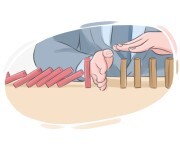
to regain control of oneself after being in a bad mood or emotional state
probrat se z toho, vzchopit se
Trvalo mi pár dní, než jsem se z toho šoku probral.
![to [take] {sth} on the chin](https://cdn.langeek.co/photo/40761/thumb/350?type=jpeg "to [take] {sth} on the chin")
to accept unpleasant or difficult things or situations, such as criticism or misfortune, without complaining
vzít to sportovně, snášet to bez stížností
Rozhodnutí se mu nelíbilo, ale snesl ho bez stížností a šel dál.

said after an unfortunate event to mean one must accept the situation as it is
někdy to tak prostě dopadne, musí se to přijmout
Výsledek ji zklamal, ale řekla: někdy to tak prostě dopadne.
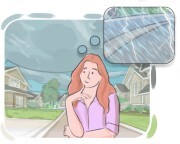
a peaceful time when things has improved following a period of difficulty, stress, or chaos
klid po bouři, období úlevy po chaosu
Pro sestry působila prázdná čekárna jako klid po bouři.

a time when everything seems peaceful or fine before serious problems arise
ticho před bouří, klid před problémy
Manažerovo mlčení nebylo uklidňující; působilo jako ticho před další bouří.
a situation that is an absolute disaster or is the worst thing that could possibly happen
naprostá katastrofa, to nejhorší možné
Pro něj byla prohra ve finále naprostá katastrofa.
used for saying that one must continue an activity, performance, etc. despite any problem or difficulty
musí se pokračovat, jede se dál
Restaurace měla ten večer málo personálu, ale jelo se dál.
used to say that one cannot control everything as bad things happen regardless
takový je život, všechno člověk neovlivní
Můžeš se připravit na každý pohovor a stejně tě odmítnou; všechno člověk neovlivní.
to accept the fact that one has been defeated
vzdát to, přiznat porážku
Vzdali to, když se náklady staly nezvladatelnými.
to deal with a bad or imperfect situation as positively as possible
a sign that a difficult period may soon improve or end
space, time, or freedom to think, rest, or recover
used to say that a heavy worry or burden is removed
a positive part of a bad situation
to stop worrying about, arguing about, or holding on to something emotionally
to take a break from stress, pressure, or intense work
used for telling someone to accept and consider something as true or valid, usually after a disagreement or argument
tak to prostě je, a s tím se smiř
Pravidla jasně říkají, že za poplatek odpovídáš ty, tak to prostě je.
![to [live] from day to day](https://cdn.langeek.co/photo/41838/thumb/350?type=jpeg "to [live] from day to day")
to experience life in the present moment and focus less on long-term plans or financial preparations
žít ze dne na den, žít bez velkých plánů do budoucna
Mnoho sezónních pracovníků musí žít ze dne na den, protože jejich příjem je nejistý.
