
pattern

Cambridge IELTS 16 - Academic - Testul 2 - Lectură - Pasajul 3 (2)

Învață vocabular din a doua parte a Cambridge IELTS 16 Academic, Test 2 Reading Passage 3, cu cuvinte și expresii utile din text.

Revizuire

Fișe de studiu

forme

Ortografie

Chestionar
Începe să înveți
Cambridge IELTS 16 - Academic
peak
peak
[substantiv]

the stage or point of highest quality, activity, success, etc.

vârf, apogeu

vârf, apogeu

Ex: During the summer months, the tourism industry in the coastal town hits its peak, with visitors flocking to the beaches. 
Închide
Conectare
economic
economic
[adjectiv]

relating to the production, distribution, and management of wealth and resources within a society or country

economic

economic

Ex: Rising unemployment rates were a major economic concern during the recession. 

Creșterea ratelor de șomaj a fost o preocupare economică majoră în timpul recesiunii.

Închide
Conectare
recession
recession
[substantiv]

a hard time in a country's economy characterized by a reduction in employment, production, and trade

recesiune

recesiune

Ex: The government implemented measures to stimulate the economy and help mitigate the effects of the recession. 
Închide
Conectare
to graduate

to successfully complete a course of study at a university, college, or school and receive a degree or diploma

Ex: Emma graduated from college last year. 
Închide
Conectare
to reflect

to contemplate or think deeply about something for insight or understanding

reflecta, medita

reflecta, medita

Ex: After the incident, he reflected on his actions and apologized. 
Închide
Conectare
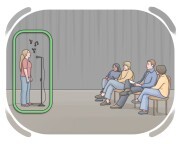
prospect
prospect
[substantiv]

the likelihood or possibility of something becoming successful in the future

perspectivă, viitor
perspectivă, viitor

Ex: The team's hard work improved the prospect of winning the championship. 
Închide
Conectare
participant
participant
[substantiv]

a person who takes part in an activity, event, or process

participant

participant

Ex: Each participant received a schedule before the training session began. 
Închide
Conectare
to assign
to assign
[verb]

to give someone a particular task, duty, or responsibility to perform

atribui,  repartiza

atribui, repartiza

Ex: Ms. Carter assigned the class a short essay for Monday. 
Închide
Conectare
to display

to demonstrate a particular quality, feeling, skill, etc.

afișa, expune

afișa, expune

Ex: She proudly displayed her artistic talents by showcasing her paintings at the gallery. 
Închide
Conectare
control group
control group
[substantiv]

a group in an experiment or study that does not receive the treatment or intervention being tested

grup de control, grup control

grup de control, grup control

Ex: In the drug trial, the control group received a placebo while the experimental group received the actual medication. 

În procesul de testare a medicamentului, grupul de control a primit un placebo, în timp ce grupul experimental a primit medicamentul real.
Închide
Conectare
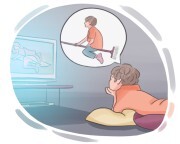
to visualize

to form a mental image or picture of something

vizualiza, imagina

vizualiza, imagina

Ex: Before the competition, athletes often visualize their success. 

Înaintea competiției, sportivii vizualizează adesea succesul lor.

Închide
Conectare
conflict
conflict
[substantiv]

tension or opposition between two simultaneous, incompatible feelings

conflict, dilemă

conflict, dilemă

Ex: Her excitement clashed with a sense of fear, creating inner conflict. 
Închide
Conectare
outsider
outsider
[substantiv]

a person who does not belong to or is not involved in a particular group, organization, community, or place

Ex: As an outsider, Sarah found it difficult to understand the company's traditions. 
Închide
Conectare
incident
incident
[substantiv]

an event or happening, especially a violent, unusual or important one

incident,  eveniment

incident, eveniment

Ex: A minor incident at the power plant caused a temporary blackout. 
Închide
Conectare
egocentric
egocentric
[adjectiv]

thinking only about oneself, not about other people's needs or desires

egocentric, centrat pe sine

egocentric, centrat pe sine

Ex: The novel's protagonist is an egocentric artist who only paints self-portraits. 

Protagonistul romanului este un artist egocentric care pictează doar autoportrete.

Închide
Conectare
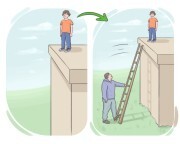
ego
ego
[substantiv]

(psychology) the conscious part of the mind that mediates between the unconscious and the reality which gives one a sense of self

ego, eu
ego, eu

Închide
Conectare
to enable
to enable
[verb]

to give someone or something the means or ability to do something

permite, abilita

permite, abilita

Ex: Supportive policies enable businesses to thrive in a competitive market. 
Închide
Conectare
the (big|bigger) picture

the overall view or perspective of a situation, rather than focusing on small details

imaginea de ansamblu, perspectiva generală

imaginea de ansamblu, perspectiva generală

Ex: You're focusing on one mistake and missing the big picture. 

Te concentrezi pe o singură greșeală și pierzi din vedere imaginea de ansamblu.

Închide
Conectare
conceptual
conceptual
[adjectiv]

involving ideas rather than physical objects or experiences

conceptual, abstract

conceptual, abstract

Ex: The conceptual art installation challenged viewers to rethink traditional notions of beauty. 

Instalația de artă conceptuală a provocat privitorii să reconsidere noțiunile tradiționale despre frumusețe.

Închide
Conectare
crystallized
crystallized
[adjectiv]

having become fixed and definite in form

cristalizat

cristalizat

Închide
Conectare
openness
openness
[substantiv]

a willingness to consider or accept new ideas, experiences, or influences

deschidere, mentalitate deschisă

deschidere, mentalitate deschisă

Ex: Her openness to criticism made her a better manager. 
Închide
Conectare
agreeableness
agreeableness
[substantiv]

a natural tendency to be friendly and cooperative

amabilitate, prietenie

amabilitate, prietenie

Ex: His agreeableness made him a natural diplomat. 
Închide
Conectare
judgment
judgment
[substantiv]

an opinion that is formed after thinking carefully

judecată, opinie

judecată, opinie

Ex: The teacher's judgment on the students' performance was based on several criteria. 
Închide
Conectare
affective
affective
[adjectiv]

relating to feelings or emotions

afectiv, emoțional

afectiv, emoțional

Ex: The researchers measured participants' affective responses to the images. 
Închide
Conectare
outcome
outcome
[substantiv]

the result or consequence of a situation, event, or action

rezultat, consecință

rezultat, consecință

Ex: Studying hard typically leads to a positive outcome on exams. 
Închide
Conectare
to retaliate

to make a counterattack or respond in a similar manner

a contraataca, a se răzbuna

a contraataca, a se răzbuna

Ex: The nation sought to retaliate economic sanctions by imposing reciprocal measures on its trading partners.. 

Națiunea a căutat să răspundă sancțiunilor economice prin impunerea unor măsuri reciproce partenerilor săi comerciali.

Închide
Conectare
assumption
assumption
[substantiv]

an idea or belief that one thinks is true without having a proof

presupunere, ipoteză

presupunere, ipoteză

Ex: The plan was based on the assumption that everyone would participate. 
Închide
Conectare
concept
concept
[substantiv]

a principle or idea that is abstract

concept, idee

concept, idee

Ex: The concept of freedom means different things to different people. 
Închide
Conectare
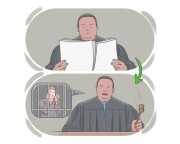
nature
nature
[substantiv]

the essential qualities or characteristics by which something is recognized

natură, esență
natură, esență

Ex: We need to understand the nature of the problem before trying to solve it. 
Închide
Conectare
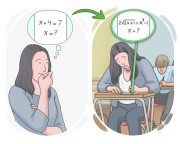
to base on

to develop something using certain facts, ideas, situations, etc.

a baza ceva pe anumite fapte sau idei, a folosi ceva ca bază pentru dezvoltare

a baza ceva pe anumite fapte sau idei, a folosi ceva ca bază pentru dezvoltare

Ex: The decision was based on careful consideration of the options. 

Decizia a fost bazată pe o considerare atentă a opțiunilor.
Închide
Conectare
to underestimate

to regard something or someone as smaller or less important than they really are

subestima, minimiza

subestima, minimiza

Ex: She warned him not to underestimate the challenges of starting a new business from scratch. 

Ea l-a avertizat să nu subestimeze provocările de a începe o nouă afacere de la zero.

Închide
Conectare
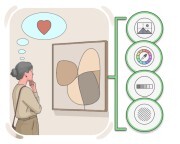
branch
branch
[substantiv]

a subdivision of a larger system or concept

ramură, diviziune
ramură, diviziune

Ex: She specializes in the branch of biology that studies marine life. 
Închide
Conectare
criteria
criteria
[substantiv]

the particular characteristics that are considered when evaluating something

criterii, parametri

criterii, parametri

Ex: The criteria for choosing the winner of the art contest are creativity and technique. 
Închide
Conectare
circumstance
circumstance
[substantiv]

the conditions or factors that surround and influence a particular situation

circumstanță, context

circumstanță, context

Ex: Despite challenging circumstances, she remained focused on her goals. 
Închide
Conectare
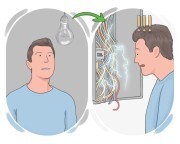
aspect
aspect
[substantiv]

a defining or distinctive feature of something

aspect, caracteristică
aspect, caracteristică

Ex: Every aspect of the team's performance was analyzed after the match. 
Închide
Conectare
to encounter

to be faced with an unexpected difficulty during a process

întâlni, se confrunta cu

întâlni, se confrunta cu

Ex: During the expedition, the explorers encountered difficulties navigating through rough terrain. 
Închide
Conectare
to attempt

to try to complete or do something difficult

încerca, tenta
încerca, tenta

Ex: The climbers attempt to reach the summit before nightfall. 
Închide
Conectare
controversial
controversial
[adjectiv]

causing a lot of strong public disagreement or discussion

controversat,  polemic

controversat, polemic

Ex: The new movie has been criticized for its controversial themes. 

Noul film a fost criticat pentru temele sale controversate.

Închide
Conectare
benefit
benefit
[substantiv]

an advantage or a helpful effect that is the result of a situation

beneficiu, avantaj

beneficiu, avantaj

Ex: Employees receive health insurance as a benefit of working at the company. 
Închide
Conectare
recommended
recommended
[adjectiv]

suggested or advised because it is considered good or suitable

recomandat, sfătuit

recomandat, sfătuit

Ex: The recommended route is faster and safer. 

Ruta recomandată este mai rapidă și mai sigură.
Închide
Conectare
to establish

to introduce or create laws or policies

stabili, instaura

stabili, instaura

Ex: The government aims to establish stricter regulations on pollution. 
Închide
Conectare
degree
degree
[substantiv]

a specific extent on a scale that represents the intensity, amount, or level of something

grad, nivel

grad, nivel

Ex: We measured the degree of change in the market trends. 
Închide
Conectare
regarding
regarding
[prepoziție]

in relation to or concerning someone or something

privitor la, în legătură cu

privitor la, în legătură cu

Ex: He sent me an email regarding the meeting agenda. 

Mi-a trimis un e-mail privind ordinea de zi a întâlnirii.

Închide
Conectare
extent
extent
[substantiv]

the point or degree to which something extends

întindere, grad

întindere, grad

Ex: We do not yet know the full extent of the problem. 
Închide
Conectare
to [take] {sth} into account

to consider something when trying to make a judgment or decision

a lua ceva în considerare, a ține cont de ceva

a lua ceva în considerare, a ține cont de ceva

Ex: We need to take the extra costs into account before we approve the project. 

Trebuie să luăm în considerare costurile suplimentare înainte să aprobăm proiectul.

Închide
Conectare
alteration
alteration
[substantiv]

a usually limited change that makes something different without completely transforming it

modificare,  alterare

modificare, alterare

Ex: Sarah made a small alteration to her travel plans. 
Închide
Conectare
to regard
to regard
[verb]

to think about someone or something in a specified way

considera, aprecia

considera, aprecia

Ex: She regards her colleagues as valuable contributors to the team. 
Închide
Conectare
in turn
in turn
[adverb]

in a sequential manner, referring to actions or events occurring in a specific order

pe rând, succesiv

pe rând, succesiv

Ex: Each participant presented their findings in turn during the conference. 

Fiecare participant și-a prezentat concluziile pe rând în timpul conferinței.

Închide
Conectare
modesty
modesty
[substantiv]

he quality of not being too proud or boastful about one's abilities or achievements, and not drawing too much attention to oneself

modestie

modestie

Ex: Despite winning the award, she showed great modesty in her acceptance speech. 

În ciuda câștigării premiului, ea a arătat o mare modestie în discursul său de acceptare.

Închide
Conectare
fairness
fairness
[substantiv]

the quality of being just or reasonable in treating people and situations

corectitudine, imparțialitate

corectitudine, imparțialitate

Ex: He was admired for his sense of fairness in handling workplace disputes. 

Era admirat pentru simțul său de corectitudine în rezolvarea conflictelor de la locul de muncă.

Închide
Conectare
objectivity
objectivity
[substantiv]

the state of being affected by facts and statistics instead of personal opinions and feelings

obiectivitate

obiectivitate

Ex: The journalist prided herself on her objectivity, always presenting the facts without bias. 

Jurnalistul se mândrea cu obiectivitatea sa, prezentând întotdeauna faptele fără părtinire.

Închide
Conectare
detached
detached
[adjectiv]

lacking interest or emotional involvement

detasat, nepasator

detasat, nepasator

Ex: His detached demeanor during the meeting made it clear he wasn't invested in the project. 

Atitudinea sa detasată în timpul întâlnirii a făcut clar că nu era investit în proiect.

Închide
Conectare
to tend
to tend
[verb]

to be likely to develop or occur in a certain way because that is the usual pattern

tinde, avea tendința

tinde, avea tendința

Ex: People from that region tend to be fluent in multiple languages due to their diverse cultural influences. 
Închide
Conectare
decentering
decentering
[substantiv]

the act of shifting focus or importance away from a central person, idea, or position to highlight other parts or viewpoints

decentrare, schimbarea focusului

decentrare, schimbarea focusului

Ex: The decentering of the main hero changed how the story was told. 

Dezentrarea eroului principal a schimbat modul în care povestea a fost spusă.

Închide
Conectare
LanGeek
Descarcă aplicația LanGeek
