
Необходимый Словарный Запас для GRE - Общество
Здесь вы выучите некоторые английские слова о обществе, такие как "слой", "этническая принадлежность", "каста" и т.д., которые необходимы для экзамена GRE.
Обзор
Флэш-карточки
Правописание
Тест


a group of people with similar social standing, education, or income

слой
Исследование было сосредоточено на среднем доходном stratum слое общества.
the process of cultural exchange and adaptation when individuals or groups from different cultures come into contact, leading to changes in their respective cultural patterns
аккультурация
Иммигрантское сообщество пережило аккультурацию, интегрируя аспекты культуры принимающей страны в свои собственные традиции.
a system where people are treated differently or separated based on their race, ethnicity, or other characteristics
апартеид
Активисты неустанно боролись за прекращение апартеида и достижение равенства.

people in the highest class of society who have a lot of power and wealth and usually high ranks and titles
аристократия
На мероприятии присутствовали члены аристократии в элегантной одежде.
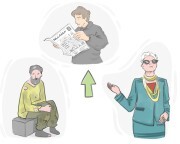
the society's middle class
буржуазия
Буржуазия в XIX веке сыграла значительную роль в формировании экономических и социальных структур.
fully aware of the ranking system that distinguishes the general public
классово сознательный
Студенты были очень классово сознательными, часто обсуждая социальный статус.
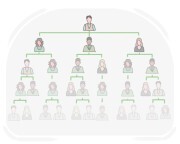
relating to a system that is organized based on social ranking or levels of authority
иерархический
Иерархическая структура организации обеспечивает четкие линии власти и ответственности.
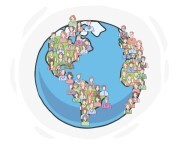
the statistical characteristics of a population, such as age, gender, and ethnicity
демографическая группа
Новая маркетинговая стратегия направлена на охват более молодой демографической группы.
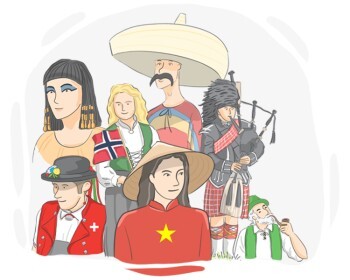
the state of belonging to a certain ethnic group
этничность, нация
В переписном листе респондентов просили указать их этническую принадлежность.
a situation in which one has just enough money or food to survive
пропитание
Работники зарабатывали едва достаточно для проживания.
someone who is in a position of power, especially in the past
повелитель
Средневековый лорд действовал как верховный правитель над соседними деревнями.
the specific form or system of government of a society or institution
государственное устройство
Церковь приняла новую политику, подчеркивающую местную автономию.
to employ a system that sorts out people in the society based on their race or religion
разделять
В прошлом некоторые школы в регионе разделяли учеников по расовому признаку.
a system that divides the people of a society into different social classes based on their wealth, privilage, or profession
каста
Кастовая система в Индии исторически разделяла общество на иерархические группы на основе рождения, рода занятий и социального статуса.
someone who believes that a particular group of people, especially one determined by sex, religion, or race, is better than other groups and should dominate them
сторонник превосходства
Власти арестовали супремасиста, который распространял разжигающую ненависть речь в интернете.
the protection that a country grants to someone who has fled their home country because of political reasons
политическое убежище
Она попросила политическое убежище после преследований в своей родной стране.
a person who gives money or support to help others
благодетель
Благотворительная организация поблагодарила своего щедрого благотворителя на ежегодном гала-вечере.
the conflict of interests between different social classes in a society, as mentioned in Marxist ideology
классовая борьба
Роман исследует темы классовой борьбы в быстро индустриализирующемся обществе.
the expulsion of a non-citizen or foreigner from a country, often for being undesirable or violating laws
депортация
Власти приказали депортировать нелегальных иммигрантов.
the practice of treating a person or different categories of people less fairly than others
дискриминация
Компания столкнулась с судебным иском за дискриминацию в отношении сотрудниц.
to make someone leave their home by force, particularly because of an unpleasant event
перемещать
Конфликт в регионе продолжает перемещать тысячи семей.
a small group of people in a society who enjoy a lot of advantages because of their economic, intellectual, etc. superiority
элита
Элита собралась в эксклюзивном клубе на свое ежегодное собрание.
hatred, antipathy, or prejudice toward homosexuals
гомофобия
Кампания направлена на повышение осведомленности о последствиях гомофобии.
to take away a person or a country's riches to the point of poverty
обеднять
Экономический кризис начал обеднять многие семьи в регионе.

extremely poor or in need
неимущий
Нуждающееся население полагалось на государственную помощь для выживания.
related to the social categories such as gender, race, sexuality, or age and the way they can extend over the experiences of an individual belonging to an oppressed population
межсекционный
Ее исследование было сосредоточено на интерсекциональных проблемах, затрагивающих цветных женщин.

to treat a person, group, or concept as insignificant or of secondary or minor importance
маргинализировать, изолировать
Исторически коренные народы были маргинализированы и лишены своих прав на землю.
to grant citizenship to a foreigner
получать гражданство
Он был натурализован после сдачи экзамена на гражданство.
a state in which two or more things are equal
равенство
Компания стремится достичь паритета в зарплатах между мужчинами и женщинами.
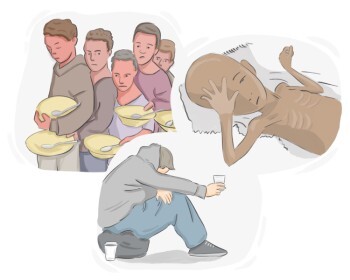
a state of being exceedingly poor and in need
нищета, нужда
Он вырос в нищете, борясь за удовлетворение основных потребностей.
the act of enhancing different opportunities for the people who have been treated as inferior due to belonging to a specific social category like race, sex, and etc. in a society
позитивная дискриминация
Компания внедрила позитивную дискриминацию для улучшения разнообразия при найме.
a system that allows a limited number of immigrants to officially enter a country annually
система квот
Правительство ввело систему квот для контроля количества иммигрантов.
an owner of a house of land in a location where people are exceedingly poor and have really bad living conditions, who demands rents more than one can afford
владелец трущоб
Город принял жесткие меры против владельцев трущоб, которые пренебрегали своими имуществами, оставляя арендаторов жить в нищете.
an awareness of other people's pain and problems who have a bad condition in the society and feeling a sense of duty to take care of them
общественное сознание
Её социальная совесть привела её к волонтёрству в приюте для бездомных.
the fact of having or expressing strong, irrational views and disliking other people with different views or a different way of life
фанатизм
Сообщество было шокировано фанатизмом, выраженным в ненавистнической речи.
| Необходимый Словарный Запас для GRE | |||
|---|---|---|---|
| эмоции | личность | черты характера | Образование |
| Преступление | Закон | Политика | Общество |
| Война | Религия | Компьютеры | Наука |
| Математика | Природа | Космос | Деньги |
