
Словарный Запас для IELTS (Академический) - Закон
Здесь вы выучите некоторые английские слова о законе, такие как "судья", "обвинение", "судебный" и т.д., которые необходимы для экзамена IELTS.
Обзор
Флэш-карточки
формы
Правописание
Тест

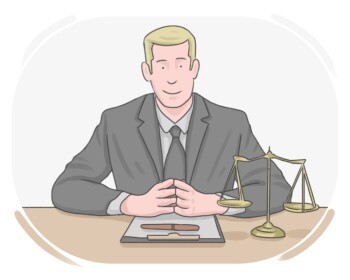
a legal professional qualified and licensed to advocate on behalf of clients in both lower and higher courts

адвокат
Барристер специализировался на семейном праве, предоставляя консультации и представительство в делах о разводе и опеке.

to fail to obey the law
нарушать закон
Её поймали на нарушении контракта, разглашая конфиденциальную информацию.

a person in a law court who is sued by someone else or is accused of committing a crime
ответчик
Подсудимый заявил о своей невиновности по обвинениям в краже и мошенничестве.
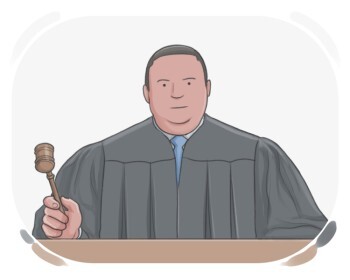
to decide whether or not a person is innocent in a court of law
судить
Его обязанность — беспристрастно судить факты дела.
a group of twelve citizens, who listen to the details of a case in the court of law in order to decide the guiltiness or innocence of a defendant
суд присяжных
Жюри совещалось несколько часов, прежде чем вынести единогласный вердикт.
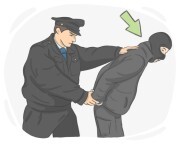
a person who commits a crime
преступник
Полиция задержала правонарушителя и взяла его под стражу.
(in the UK) a lawyer who is entitled to give legal advice, prepare legal documents for contracts and defend people in lower courts of law
юрист
Она проконсультировалась с солиситором по поводу покупки дома.
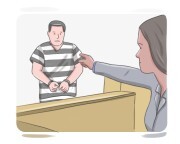
to try to charge someone officially with a crime in a court as the lawyer of the accuser
преследовать в судебном порядке
Адвокат был нанят, чтобы преследовать дело от имени семьи жертвы.
to officially accuse someone of an offense
обвинять
Прокурор решил обвинить подозреваемого в краже на основании доказательств.
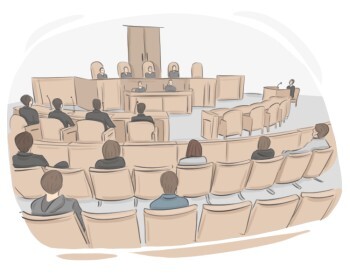
a legal process where a judge and jury examine evidence in court to decide if the accused is guilty
судебное разбирательство
Судебное разбирательство длилось несколько недель, пока свидетели давали показания и представлялись доказательства.
the group of people in a court including the judge and the jury
суд
Суд внимательно выслушал показания свидетеля.
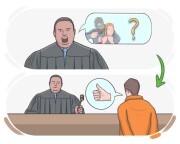
to state in a court of law, in front of the judge and the jury, whether someone is guilty or not guilty of a crime
признавать
Подсудимый заявил о своей невиновности по обвинениям в ограблении и нападении.
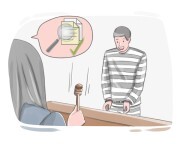
to officially decide and declare in a law court that someone is not guilty of a crime
оправдывать
Компанию обвинили в правонарушении, но после тщательного расследования она была оправдана от каких-либо незаконных действий.
(law) the permission for a prisoner to leave prison before the end of their imprisonment sentence, on the condition of good conduct
досрочное освобождение
После отбытия половины срока в тюрьме заключённый имел право на условно-досрочное освобождение, при соблюдении определённых условий и надзора.
to officially state the punishment of someone found guilty in a court of law
приговаривать
Судья приговорит осужденного преступника к пяти годам тюрьмы.
an official decision made by the jury in a court after the legal proceedings
приговор
Присяжные вынесли единогласный вердикт о виновности после нескольких часов обсуждения.
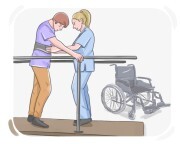
to help someone to restore to a healthy and independent state after a period of imprisonment, addiction, illness, etc.
реабилитировать
Программа была направлена на реабилитацию лиц с проблемами злоупотребления психоактивными веществами, обеспечивая поддержку для жизни без наркотиков.
a wrongful or immoral act
проступок
Компания уволила его за его повторяющиеся проступки.
correction imposed as repayment for wrongdoing
возмездие
Сообщество искало возмездие через правосудие, а не через насилие.
having custody of someone or connected with the legal right to look after them
опекунский
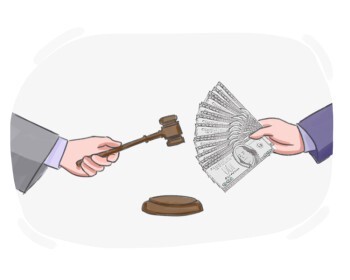
to make someone pay a sum of money as punishment for violation of the law
штрафовать
Он был оштрафован за мусор в общественном месте.
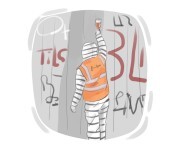
unpaid work done either as a form of punishment by a criminal or as a voluntary service by a citizen
общественная работа
После признания виновным в вандализме он был приговорен к 100 часам общественных работ.
the physical punishment of people, especially of children or convicts
телесные наказания
Телесное наказание, такое как порка или шлепки, является спорным методом дисциплинирования детей.
the killing of a criminal as punishment
смертная казнь
Дебаты о смертной казни продолжают оставаться спорным вопросом во многих странах.
a thing that reduces the chances of someone doing something because it makes them aware of its difficulties or consequences
сдерживающий
Усиленные меры безопасности служат сдерживающим фактором для потенциальных воров.
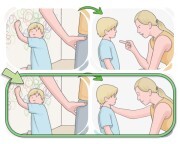
(of a person) tolerant, flexible, or relaxed in enforcing rules or standards, often forgiving and understanding toward others
снисходительный
Снисходительный учитель разрешил ученикам дополнительное время для выполнения заданий, если у них были уважительные причины задержек.
a formal declaration by which someone is found guilty of a crime in a court of law
признание
Осуждение подсудимого было основано на веских доказательствах, представленных во время суда.
belonging or appropriate for a court, a judge, or the administration of justice
судебный
Судебная ветвь власти контролирует толкование и применение законов через суды и судей.
a formal rule or collection of rules enacted by a governing authority
законодательство
Новое экологическое законодательство ограничивает выбросы углерода с заводов.
