
Toán Học và Đánh Giá ACT - Số học và Thống kê
Học từ vựng ACT cho số học và thống kê, bao gồm các phép tính, trung bình, tỷ lệ, phần trăm, dữ liệu, xác suất và giải thích thông tin số.
Xem lại
Thẻ ghi nhớ
Chính tả
Đố vui


any number without fractions or decimals, including positive numbers, negative numbers, and zero

số nguyên
Tập hợp các số nguyên bao gồm cả giá trị dương và âm cũng như số không.
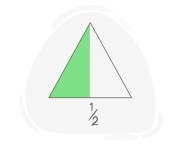
a number expressed as one quantity divided by another, especially one written with a numerator and denominator
(mathematics) a number less than one, called a fraction, that is represented as a period followed by the number of tenths, hundredths, etc.
số thập phân, phần thập phân
Hệ thống thập phân, dựa trên lũy thừa của mười, được sử dụng rộng rãi trong số học hàng ngày và tính toán tài chính.
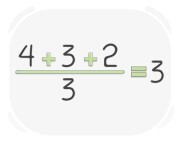
(mathematics) the average value of a set of quantities calculated by adding them, and dividing them by the total number of the quantities
giá trị trung bình, trung bình cộng
calculated by adding a set of numbers together and dividing this amount by the total number of amounts in that set
trung bình
a combination of a whole number and a proper fraction
số hỗn hợp, phân số hỗn hợp
Trong các công thức nướng bánh, thường gặp phải số hỗn hợp khi đo lường các nguyên liệu như bột hoặc đường.
a number greater than 1 with only two devisors which can be itself or 1
số nguyên tố
Số 15 không phải là số nguyên tố (chia hết cho 3 và 5).
a number that can be written as a fraction, where both the top and bottom are whole numbers, and the bottom is not zero
số hữu tỉ, phân số hữu tỉ
7/8 là một số hữu tỷ vì nó có thể được biểu diễn dưới dạng phân số của hai số nguyên.
a number incapable of being expressed as a ratio of two integers
số vô tỷ, số không thể biểu diễn bằng tỷ số
Căn bậc hai của 3 là một số vô tỷ vì nó không thể được viết dưới dạng phân số.
a number that has both a real part and a part involving a unit that, when squared, gives a negative result
số phức, phức
Về mặt đồ họa, số phức có thể được biểu diễn trên mặt phẳng phức với trục x là phần thực và trục y là phần ảo.
any number that can be found on the number line, including both positive and negative numbers, zero, and fractions
số thực, thực
Trong toán học, tập hợp các số thực thường được ký hiệu bằng ký hiệu R.
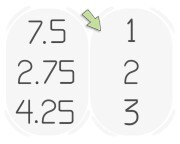
any positive number without fractions or decimals, including zero
số nguyên, số tự nhiên
Không giống như phân số và số thập phân, số nguyên đại diện cho các đơn vị hoàn chỉnh.
a value that, when multiplied by itself a specified number of times, results in the given number
căn, căn bậc
the difference between the highest and lowest values in a set of numbers
khoảng, phạm vi
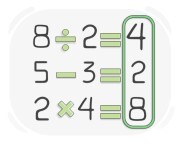
a correct answer to a problem in mathematics or a puzzle
giải pháp, lời giải
the result of multiplying two or more numbers or quantities together
tích, kết quả của phép nhân
(mathematics) one of the numbers that another number can be divided by
nhân tố
(mathematics) an amount that is shown by a sign or letter
giá trị, lượng
a mathematical statement showing that one quantity or expression is greater or less than another
bất đẳng thức, bất phương trình
(mathematics) a statement indicating the equality between two values
phương trình
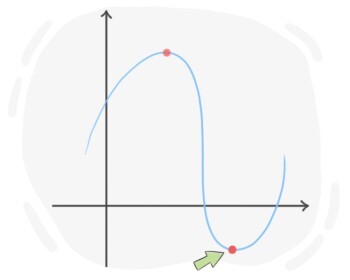
having the least or smallest amount possible
tối thiểu, nhỏ nhất
a mathematical expression where a number is multiplied by itself a certain number of times determined by a variable
hàm mũ, số mũ
Các nhà phân tích tài chính sử dụng hàm mũ để tính lãi kép.
a sequence of numbers in which the difference between any two consecutive terms is constant
dãy số học, chuỗi số học
Trong một dãy số học, hiệu giữa các số hạng liên tiếp luôn giống nhau, bất kể vị trí của các số hạng.
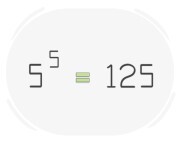
to multiply a value or number by itself
bình phương, nhân với chính nó
a fraction where the the top number is greater than or equal to the equal to the bottom number
phân số không thực sự
Một phân số không thực sự có thể được biểu diễn dưới dạng kết hợp của một số nguyên và một phân số thực sự.
the result obtained by dividing one quantity or number by another, expressed as the outcome of a division operation
thương số
Khi chia 15 cho 3, thương số là 5.
the constant ratio between consecutive terms
tỷ số chung, tỷ lệ chung
Một tỷ số chung bằng 1 dẫn đến một dãy hằng số, trong đó tất cả các số hạng đều bằng nhau.
a number that is a multiple of two or more given numbers
bội số chung, số bội chung
Trong việc giải quyết các vấn đề liên quan đến phân số, việc tìm bội chung của các mẫu số thường rất hữu ích.
a number that divides exactly into two or more given numbers without leaving a remainder
ước số chung, thừa số chung
Để đơn giản hóa một biểu thức, hãy tìm ước chung của các số hạng.
(mathematics) a shared multiple of the bottom numbers of two or more fractions
mẫu số chung, mẫu thức chung
the smallest positive integer that is a common multiple of the denominators of two or more fractions
mẫu số chung nhỏ nhất, mẫu số chung bé nhất
Mẫu số chung nhỏ nhất của các phân số 2/3 và 5/9 là 9, cho phép chúng ta cộng chúng một cách dễ dàng.

a mathematical measure of how likely an event is to occur, expressed as a number between zero and one
xác suất, khả năng xảy ra
a statistical measure that represents the middle value of a data set when the values are arranged in ascending or descending order
trung vị, giá trị trung bình
Trong một danh sách điểm thi {85, 90, 92, 78, 95}, trung vị là 90, điểm ở giữa khi được sắp xếp.
the value that appears most frequently in a data set
mode, giá trị xuất hiện nhiều nhất
having or involving two distinct modes, peaks, or most frequent values
song chế độ, có hai chế độ
Bộ dữ liệu rõ ràng là hai chế độ, với các đỉnh ở cả 10 và 20.

to guess the value, number, quantity, size, etc. of something without exact calculation
ước tính, đánh giá
the number of times a particular event occurs within a specific period or among a set of observations
tần suất
(statistics) an arrangement of values of a variable showing how often each occurs, either observed or theoretical
phân phối, phân bố
a measure of how much the values in a set typically differ from the average
độ lệch chuẩn, độ lệch tiêu chuẩn
Trong tài chính, độ lệch chuẩn cao của lợi nhuận cho thấy sự biến động cao hơn.
the range within which the true value is expected to fall, accounting for potential inaccuracies in measurement or sampling
sai số, biên độ sai số
Một sai số biên nhỏ hơn cho thấy sự tin cậy cao hơn vào độ chính xác của kết quả.
occurring in such a way that each possible outcome has a certain probability of occurring, but the specific outcome cannot be predicted with certainty
ngẫu nhiên, tình cờ
Các kỹ thuật lấy mẫu ngẫu nhiên giúp các nhà thống kê đưa ra suy luận về một quần thể dựa trên dữ liệu thu thập từ một tập hợp con nhỏ hơn.
a straight line drawn through a set of data points on a graph to represent the general direction or pattern of the data
đường xu hướng, đường khuynh hướng
Các nhà phân tích sử dụng đường xu hướng để xác định xu hướng thị trường và đưa ra quyết định đầu tư.
a type of statistical chart consisting of dots that represent individual data points
biểu đồ chấm, đồ thị điểm
Tạo một biểu đồ chấm đã giúp chúng tôi hình dung tần suất của các danh mục khác nhau trong mẫu khảo sát nhỏ của chúng tôi.
a mathematical representation that describes the relationship between two or more variables using a linear equation
mô hình tuyến tính, mô hình hồi quy tuyến tính
Các kỹ sư thường sử dụng mô hình tuyến tính để xấp xỉ hành vi của các hệ thống phức tạp trong một phạm vi nhất định.
