pattern

Advanced Vocabulary for the GRE - Likes and Dislikes

Here you will learn some English words about likes and dislikes, such as "partial", "abhor", "zeal", etc. that are needed for the GRE exam.

Review

Flashcards

Forms

Spelling

Quiz

Start learning
Advanced Words Needed for the GRE
affable
affable
[Adjective]

easy to approach, and pleasant to talk to

Ex: The new manager was very affable, making it easy for everyone to approach him with questions. 
Close
Sign in
amiable
amiable
[Adjective]

showing or having a likable and friendly personality

Ex: Her amiable personality made her popular among her colleagues. 
Close
Sign in
besotted
besotted
[Adjective]

so in love with someone or something that prevents one from thinking properly

Ex: He acted in a besotted manner, constantly daydreaming about her and ignoring his work. 
Close
Sign in
detached
detached
[Adjective]

lacking interest or emotional involvement

Ex: His detached demeanor during the meeting made it clear he wasn't invested in the project. 
Close
Sign in
enamored
enamored
[Adjective]

having a strong liking or admiration for something

Ex: The city’s vibrant arts scene made him enamored from the moment he arrived. 
Close
Sign in
palatable
palatable
[Adjective]

(of ideas and suggestions) pleasing and acceptable

Ex: They offered a palatable solution that everyone could agree on. 
Close
Sign in
partial
partial
[Adjective]

liking someone or something, or having an interest in them

Ex: She is partial to classic literature, always recommending old novels to her friends. 
Close
Sign in
loath
loath
[Adjective]

unwilling to do something due to a lack of will, motivation, or consent

Ex: He was loath to take on more work, as he was already overwhelmed. 
Close
Sign in
torrid
torrid
[Adjective]

filled with strong emotions and being passionate especially when it comes to sexual love
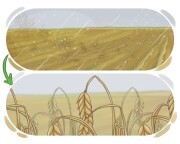
Ex: They shared a torrid kiss that left them both breathless. 
Close
Sign in
untoward
untoward
[Adjective]

not expected, normally inconvenient or unpleasant
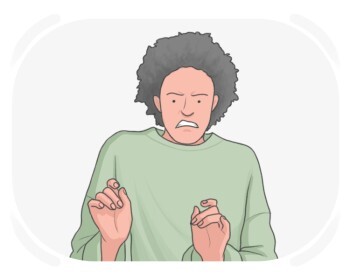
Ex: The sudden rain was an untoward event that ruined the outdoor picnic. 
Close
Sign in
to abhor
to abhor
[Verb]

to hate a behavior or way of thought, believing that it is morally wrong

Ex: She abhors dishonesty and always values honesty above all else. 
Close
Sign in
to antagonize

to provoke and anger someone so much that they start to hate and oppose one

Ex: His constant criticism of her work antagonized her to the point of seeking employment elsewhere. 
Close
Sign in
to execrate

to hold or display extreme hatred toward something or someone

Ex: She execrates those who exploit the vulnerable for their own gain. 
Close
Sign in
acrimony
acrimony
[noun]

words or feelings that are filled with anger or bitterness

Ex: Despite once being close friends, their falling out resulted in years of acrimony and resentment. 
Close
Sign in
alacrity
alacrity
[noun]

readiness or willingness that is quick and enthusiastic

Ex: She accepted the invitation with great alacrity, eager to attend the event. 
Close
Sign in
anathema
anathema
[noun]

something that is gravely hated and disapproved of

Ex: Lying was an anathema to her strict moral code. 
Close
Sign in
animosity
animosity
[noun]

strong hostility, opposition, or anger

Ex: There was long-standing animosity between the two families stemming from a property dispute decades ago. 
Close
Sign in
antipathy
antipathy
[noun]

a strong feeling of hatred, opposition, or hostility

Ex: She felt a deep antipathy toward the new policy. 
Close
Sign in
apathy
apathy
[noun]

a general lack of interest, concern, or enthusiasm toward things in life

Ex: The student's apathy towards his studies was evident in his consistently low grades. 
Close
Sign in
jaundice
jaundice
[noun]

a prejudice, bitter, and hostile attitude or state

Ex: She spoke about the issue with a jaundice that suggested deep-seated anger. 
Close
Sign in
misanthrope

someone who dislikes, distrusts, or hates other human beings

Ex: The crotchety old man was known around town as a misanthrope who constantly complained about others. 
Close
Sign in
penchant
penchant
[noun]

a strong tendency to do something or a fondness for something

Ex: She has a penchant for making people laugh. 
Close
Sign in
philanthropy

the activity of helping people, particularly financially

Ex: Her philanthropy funded new schools. 
Close
Sign in
rapprochement

the establishment of harmony and friendly relations between two groups or countries after a period of ill relations

Ex: The two countries sought rapprochement after years of tension. 
Close
Sign in
to [take] umbrage

to get angry or feel upset, particularly because of being insulted

Ex: He takes umbrage against anyone who criticises him. 
Close
Sign in
to [give] umbrage

to make someone angry or upset, usually by offending them

Ex: Her sarcastic comment about his cooking skills gave him umbrage, leading to a heated argument. 
Close
Sign in
to enthrall

to captivate someone completely

Ex: The magician's performance enthralled the audience. 
Close
Sign in
zeal
zeal
[noun]

a great enthusiasm directed toward achieving something

Ex: The teacher's zeal for education inspired her students to pursue knowledge and excel in their studies. 
Close
Sign in
LanGeek
Download LanGeek app