pattern

Advanced Vocabulary for the GRE - Aspects and Manners

Here you will learn some English words about aspects and manners, such as "craven", "derelict", "prosaic", etc. that are needed for the GRE exam.

Review

Flashcards

Forms

Spelling

Quiz

Start learning
Advanced Words Needed for the GRE
aplomb
aplomb
[noun]

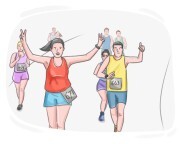
a type of manner that is composed and confident, often when one is facing a difficult situation

Ex: She handled the challenging presentation with great aplomb. 
Close
Sign in
boor
boor
[noun]

an insensitive and uneducated person who lacks culture and manners
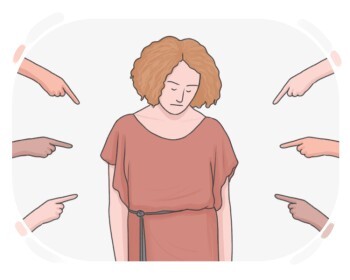
Ex: He was considered a boor for interrupting others during conversations. 
Close
Sign in
chagrin
chagrin
[noun]

a state of embarrassment due to failing, getting humiliated, or disappointed

Ex: His chagrin was palpable when he realized he had forgotten his lines during the play. 
Close
Sign in
curmudgeon

a bad-tempered person who is easily annoyed and angered, usually old in age

Ex: The neighborhood curmudgeon yelled at the kids for playing too loudly. 
Close
Sign in
effrontery

a way of behaving that is shamelessly rude and bold

Ex: His effrontery in questioning the boss’s decisions was shocking. 
Close
Sign in
hauteur
hauteur
[noun]

a prideful and unfriendly manner of behaving that showcases one's belief of being better than others

Ex: Her hauteur made it difficult for others to approach her. 
Close
Sign in
insouciance

a way of behaving that is relaxed, as if one has no problems or concerns
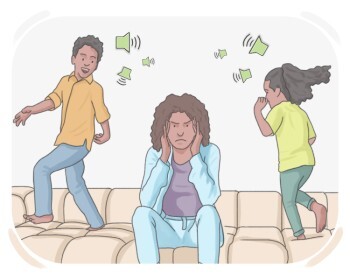
Ex: His insouciance about the approaching deadline was surprising. 
Close
Sign in
to badger
to badger
[Verb]

to repeatedly annoy or harass someone with requests or questions

Ex: The reporters badgered the celebrity with endless questions as he tried to leave the event. 
Close
Sign in
to browbeat

to force a person into doing something by threatening or frightening them

Ex: He tried to browbeat his coworkers into accepting the new policy. 
Close
Sign in
to deign
to deign
[Verb]

to do something in a reluctant and condescending manner

Ex: She deigned to acknowledge his greeting with a nod. 
Close
Sign in
to lacerate

to make someone suffer from a lot of emotional or mental pain

Ex: The news of her friend's betrayal lacerated her heart, leaving her in a state of profound sorrow. 
Close
Sign in
amenable
amenable
[Adjective]

(of people) open and willing to let suggestions influence them
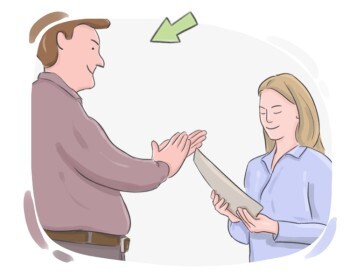
Ex: She was amenable to changing her plans based on feedback. 
Close
Sign in
approbative
approbative
[Adjective]

displaying approval or praise

Ex: She received an approbative nod from her supervisor. 
Close
Sign in
arduous
arduous
[Adjective]

requiring so much effort, mostly physical, that will cause exhaustion

Ex: The climb up the mountain was an arduous task for the hikers. 
Close
Sign in
avid
avid
[Adjective]

extremely enthusiastic and interested in something one does

Ex: He's an avid reader, spending hours immersed in books every day. 
Close
Sign in
complacent
complacent
[Adjective]

overly satisfied or content with one's current situation or achievements, often to the point of neglecting potential risks or improvements

Ex: Despite declining sales figures, the company remained complacent, refusing to implement changes to its marketing strategy. 
Close
Sign in
conversant
conversant
[Adjective]

knowledgeable or experienced with something

Ex: She became conversant in several languages through her travels. 
Close
Sign in
craven
craven
[Adjective]

not having even the smallest amount of courage

Ex: The knight's craven behavior shocked the kingdom, as he fled the battlefield leaving his comrades behind. 
Close
Sign in
debonair
debonair
[Adjective]

(particularly of a man) handsome, stylish and full of confidence

Ex: He looked debonair in his tailored suit and polished shoes. 
Close
Sign in
derelict
derelict
[Adjective]

neglectful toward obligations and duties

Ex: The manager’s derelict handling of the project led to its failure. 
Close
Sign in
disquieting
disquieting
[Adjective]

making one feel worried about something

Ex: The disquieting news of the approaching storm led to a rush of preparations in the coastal town. 
Close
Sign in
dolorous
dolorous
[Adjective]

causing or displaying great sadness or distress
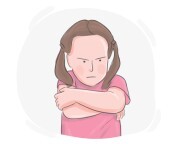
Ex: She gave a dolorous sigh as she read the tragic news. 
Close
Sign in
fractious
fractious
[Adjective]

easily getting annoyed, angry, or upset

Ex: Lack of sleep often makes her quite fractious by the afternoon. 
Close
Sign in
impervious
impervious
[Adjective]

resistant to being affected or damaged by something

Ex: His thick skin seemed impervious to criticism. 
Close
Sign in
mendacious
mendacious
[Adjective]

(of a person) deliberately telling lies
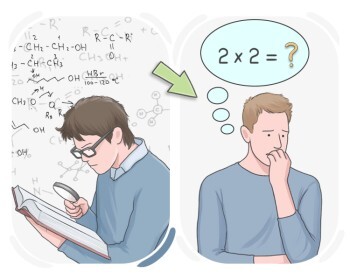
Ex: The mendacious witness was caught contradicting himself. 
Close
Sign in
obtuse
obtuse
[Adjective]

slow or reluctant to understand things or respond emotionally to something

Ex: Despite the clear explanation, he remained obtuse and failed to grasp the concept. 
Close
Sign in
overweening
overweening
[Adjective]

having too much pride or confidence in oneself

Ex: His overweening confidence often alienated his colleagues. 
Close
Sign in
peremptory
peremptory
[Adjective]

demanding immediate obedience, particularly in a way that sounds unfriendly or rude

Ex: The manager’s peremptory tone left no room for discussion. 
Close
Sign in
perspicacious
perspicacious
[Adjective]

quick to understand and judge people, things, and situations accurately

Ex: The detective's perspicacious eyes noticed a small detail that led to the solution of the mysterious case. 
Close
Sign in
picayune
picayune
[Adjective]

considered to be of small importance or value

Ex: He wasted time arguing over picayune details instead of focusing on the main issue. 
Close
Sign in
prosaic
prosaic
[Adjective]

lacking excitement or imagination

Ex: Their conversation remained prosaic, lacking any creative or stimulating topics. 
Close
Sign in
punctilious
punctilious
[Adjective]

paying a lot of attention to the correctness of behavior or to detail

Ex: She approached her duties with a punctilious attitude, never missing a single appointment. 
Close
Sign in
redoubtable
redoubtable
[Adjective]

causing fear due to greatness or being impressive

Ex: The redoubtable leader commanded respect from everyone in the room. 
Close
Sign in
ribald
ribald
[Adjective]

vulgar, indecent, or coarse, often with sexual connotations

Ex: The ribald banter between the characters in the play shocked some of the more conservative audience members. 
Close
Sign in
splenetic
splenetic
[Adjective]

easily angered or annoyed

Ex: She avoided him because of his splenetic reactions to minor annoyances. 
Close
Sign in
stolid
stolid
[Adjective]

staying calm and displaying little or no interest or emotions

Ex: His stolid response to the news surprised everyone. 
Close
Sign in
supercilious
supercilious
[Adjective]

treating others as if one is superior to them

Ex: His supercilious remarks made everyone at the meeting uncomfortable. 
Close
Sign in
LanGeek
Download LanGeek app