pattern

Headway - Advanced - Unit 1

Here you will find the vocabulary from Unit 1 in the Headway Advanced coursebook, such as "trace", "perplexing", "forbear", etc.

Review

Flashcards

Forms

Spelling

Quiz

Start learning
Headway - Advanced
main
main
[Adjective]

having the highest level of significance or central importance

Ex: In the park, the main attraction is the large fountain in the center. 
Close
Sign in
chief
chief
[Adjective]

having the highest importance

Ex: The chief concern of the community is addressing unemployment among young people. 
Close
Sign in
characteristic
characteristic
[Adjective]

serving to identify or distinguish something or someone

Ex: His characteristic wit and humor always brightened the mood in the room. 
Close
Sign in
trait
trait
[noun]

a distinguishing quality or characteristic, especially one that forms part of someone's personality or identity
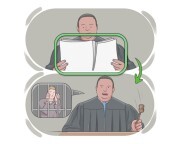
Ex: Honesty is one of her most admirable traits. 
Close
Sign in
evidence
evidence
[noun]

anything that proves the truth or possibility of something, such as facts, objects, or signs
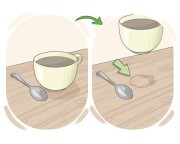
Ex: The prosecution presented compelling evidence, including DNA analysis and eyewitness testimony, to support their case. 
Close
Sign in
trace
trace
[noun]

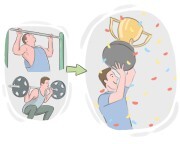
an indication or evidence of the former presence or existence of something
Close
Sign in
achievement

the action or process of reaching a particular thing

Ex: He beamed with pride as he recounted his achievement of climbing the highest peak in the country. 
Close
Sign in
feat
feat
[noun]

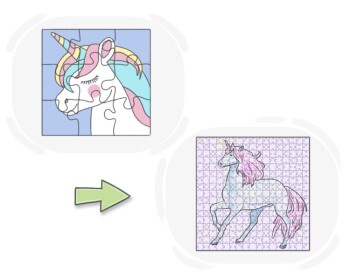
an impressive or remarkable achievement or accomplishment, often requiring great skill or strength
Close
Sign in
perplexing
perplexing
[Adjective]

causing confusion due to being complex or unclear

Ex: The professor posed a perplexing question that stumped the entire class. 
Close
Sign in
puzzling
puzzling
[Adjective]

hard to understand or explain

Ex: The puzzle had a puzzling solution that nobody could figure out. 
Close
Sign in
forebear
forebear
[noun]

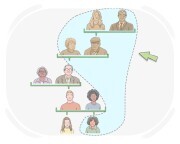
an ancestor or a person from whom one is descended, typically from earlier generations
Ex: His forebears came from Ireland and settled in America in the 19th century. 
Close
Sign in
ancestor
ancestor
[noun]

a blood relative who lived a long time ago, usually before one's grandparents

Ex: She discovered that one of her ancestors had fought in the Civil War. 
Close
Sign in
desire
desire
[noun]

a very strong feeling of wanting to do or have something

Ex: Sarah's desire for adventure led her to travel to exotic destinations around the world. 
Close
Sign in
urge
urge
[noun]

a powerful feeling prompting someone to act or respond

Ex: She felt an urge to call her old friend. 
Close
Sign in
to thrive
to thrive
[Verb]

to grow and develop exceptionally well

Ex: Despite the challenges, the small business managed to thrive in a competitive market. 
Close
Sign in
to flourish

to quickly grow in a successful way

Ex: The tech startup flourished in the competitive market, quickly becoming a leading company in the industry. 
Close
Sign in
bond
bond
[noun]

a relationship between people or groups based on shared experiences, ideas, or emotions

Ex: The teammates developed a strong bond during the championship season. 
Close
Sign in
tie
tie
[noun]

a bond or connection between people, organizations, etc.

Close
Sign in
to inhabit

to reside in a specific place

Ex: Many species of birds inhabit the forest year-round. 
Close
Sign in
to live in

to reside at the place where one works or studies, usually in provided accommodation on the premises

Close
Sign in
function
function
[noun]

the purpose or intended use of something
Ex: The function of the lever is to lift heavy objects. 
Close
Sign in
cruise
cruise
[noun]

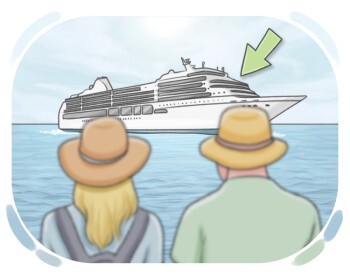
a journey taken by a ship for pleasure, especially one involving several destinations

Ex: They booked a Caribbean cruise for their honeymoon, eager to explore tropical islands and relax on luxurious cruise liners. 
Close
Sign in
insomnia
insomnia
[noun]

a disorder in which one is unable to sleep or stay asleep

Ex: After several weeks of stress at work, she began to suffer from insomnia, making it difficult to concentrate during the day. 
Close
Sign in
satchel
satchel
[noun]

a type of bag, often made of leather or canvas, with a strap that is worn over one shoulder and across the bo

Ex: He packed his books into his satchel before heading off to school. 
Close
Sign in
playdate
playdate
[noun]

a prearranged time for children to get together and play, typically with a parent or caregiver present

Ex: She arranged a playdate for her son with his best friend from school. 
Close
Sign in
sleepover
sleepover
[noun]

a social event where a person stays overnight at someone else's house, usually for fun

Ex: She invited her friends to a sleepover for her birthday celebration. 
Close
Sign in
memory loss

the condition of forgetting or being unable to recall past events or information, ranging from minor forgetfulness to more severe forms, such as dementia or amnesia
Ex: Memory loss can be a common symptom of aging, but it can also be caused by other health conditions. 
Close
Sign in
nappy
nappy
[noun]

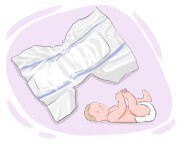
an absorbent garment worn by infants and young children to contain and absorb urine and feces
Ex: She changed the baby’s nappy after the morning feeding. 
Close
Sign in
to crawl
to crawl
[Verb]

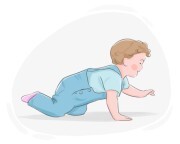
to move slowly with the body near the ground or on the hands and knees
Ex: The baby began to crawl across the living room floor. 
Close
Sign in
to settle down

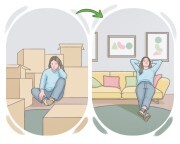
to find a place to live and embrace a more stable and routine way of life

Ex: After years of traveling, they decided to settle down in a coastal town. 
Close
Sign in
to [play] truant

to skip school or work without permission or without a valid reason
Ex: If you play truant, you miss out on valuable lessons and fall behind. 
Close
Sign in
infant
infant
[noun]

a very young child, typically from birth to around one year old

Ex: The pediatrician provided guidance to the new parents on caring for their infant's health and development. 
Close
Sign in
schoolboy
schoolboy
[noun]

a boy who is attending school, especially in primary or secondary education
Ex: The schoolboy eagerly raised his hand to answer the teacher’s question. 
Close
Sign in
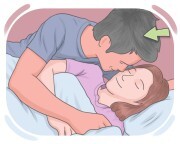
lover
lover
[noun]

one of the partners in a romantic or sexual relationship, without being married to each other

Ex: Sarah's lover surprised her with a bouquet of roses on their anniversary. 
Close
Sign in
soldier
soldier
[noun]

someone who serves in an army, particularly a person who is not an officer
Ex: Every soldier must undergo rigorous training. 
Close
Sign in
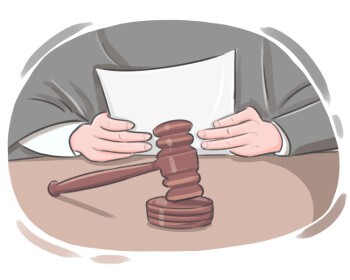
justice
justice
[noun]

the exercise of judgment in determining rights, duties, or assigning rewards and punishments

Ex: The court's role is to administer justice. 
Close
Sign in
childishness

the behavior of being immature, overly playful, or exhibiting traits typically associated with children

Ex: His childishness made it difficult for others to take him seriously at work. 
Close
Sign in
stage
stage
[noun]

one of the phases in which a process or event is divided into

Ex: The project is currently in the planning stage, where goals are being defined. 
Close
Sign in
to graze
to graze
[Verb]

to cause injury to the surface of one's skin by rubbing it against something rough
Ex: She grazed her knee when she tripped over the rock. 
Close
Sign in
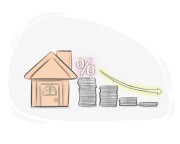
mortgage
mortgage
[noun]

an official contract or arrangement by which a bank gives money to someone as a loan to buy a house and the person agrees to repay the loan over a specified period, usually with interest
Ex: They took out a mortgage to buy their first house in the suburbs. 
Close
Sign in
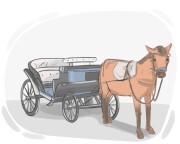
buggy
buggy
[noun]

a light, horse-drawn carriage with four wheels, typically used for leisurely rides
Ex: They took a scenic ride in a buggy through the countryside. 
Close
Sign in
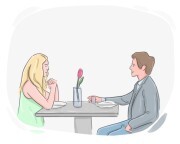
date
date
[noun]

a time that is arranged to meet a person with whom one is in a relationship or is likely to be in the future

Ex: She was excited about her date with him at the new Italian restaurant. 
Close
Sign in
to promote

to move to a higher position or rank
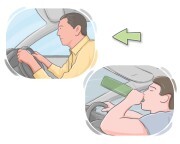
Ex: After years of hard work, she was promoted to manager of the department. 
Close
Sign in
sensible
sensible
[Adjective]

(of a person) displaying good judgment

Ex: She’s a sensible friend who always offers sound advice. 
Close
Sign in
glasses
glasses
[noun]

a pair of lenses set in a frame that rests on the nose and ears, which we wear to see more clearly

Ex: He cleans his glasses regularly to keep them smudge-free. 
Close
Sign in
to work out

to exercise in order to get healthier or stronger
Ex: I work out with a friend to make the exercise routine more enjoyable. 
Close
Sign in
ache
ache
[noun]

a continuous pain in a part of the body, often not severe

Ex: After the long hike, I had an ache in my legs. 
Close
Sign in
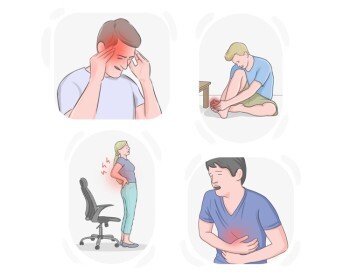
pain
pain
[noun]

the unpleasant feeling caused by an illness or injury
Ex: I have a sharp pain in my side when I breathe. 
Close
Sign in
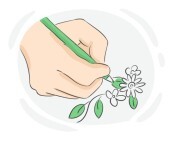
to color in

to fill in a black and white outline or picture with colors using crayons, markers, or other coloring materials
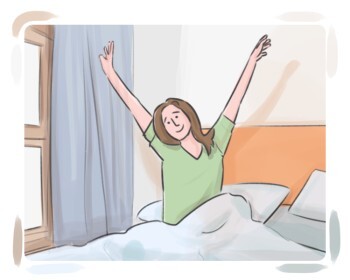
Ex: The children were asked to color in the pictures in their activity books. 
Close
Sign in
lie-in
lie-in
[noun]

a period of time spent resting or sleeping in bed beyond one's usual waking time, often done for the purpose of getting additional rest or relaxation
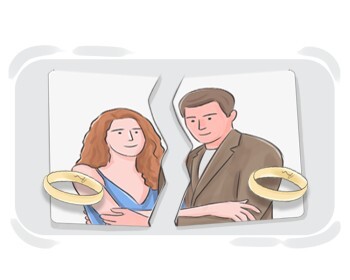
Ex: A lie-in can help you feel refreshed after a late night. 
Close
Sign in
divorced
divorced
[Adjective]

no longer married to someone due to legally ending the marriage

Ex: After a lengthy legal process, they were officially divorced. 
Close
Sign in
tantrum
tantrum
[noun]

an emotional outburst, usually associated with anger or frustration, that involves screaming, crying, kicking, and sometimes even physical aggression

Ex: The child threw a tantrum when he couldn't have the toy. 
Close
Sign in
potbelly
potbelly
[noun]

a round stove with a bulging middle that burns wood to heat a room
Ex: The old farm had a potbelly in the kitchen, perfect for cooking and heating. 
Close
Sign in
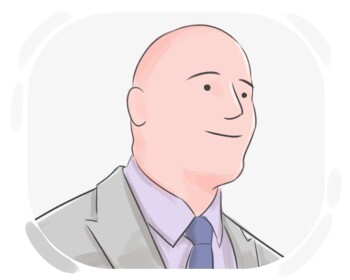
bald
bald
[Adjective]

having little or no hair on the head

Ex: He used a special shampoo to try to prevent becoming completely bald. 
Close
Sign in
to swot
to swot
[Verb]

to study hard and quickly, especially before an exam
Ex: She had to swot for hours the night before the test to catch up. 
Close
Sign in
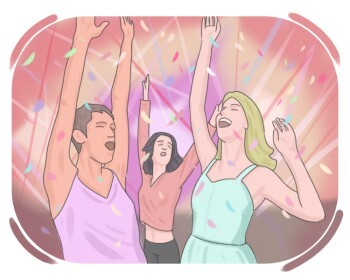
clubbing
clubbing
[noun]

the act or activity of frequently hanging out in nightclubs

Ex: They spent the whole weekend clubbing at the new nightclub in town. 
Close
Sign in
to teeter
to teeter
[Verb]

to stand or move in an unsteady or unstable manner, as if about to lose balance or topple over

Ex: The toddler began to teeter as he took his first steps. 
Close
Sign in
to [take] a nap

to rest or sleep for a short period of time during the day

Ex: I'm feeling a bit tired, so I'm going to take a nap for about 30 minutes before I continue working on my project. 
Close
Sign in
to watch
to watch
[Verb]

to look at a thing or person and pay attention to it for some time

Ex: He sat on the park bench and watched the sunset. 
Close
Sign in
to fancy {oneself}

to have an excessive or exaggerated opinion of one's own abilities, attractiveness, importance, or value

Ex: He fancies himself an expert, but he knows very little. 
Close
Sign in
to put {oneself} down

to speak negatively or critically about oneself
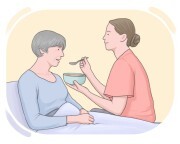
Ex: She tends to put herself down every time she makes a mistake. 
Close
Sign in
to look after

to take care of someone or something and attend to their needs, well-being, or safety

Ex: The nurse looks after the sick patient by monitoring their condition and providing medication. 
Close
Sign in
to [think] for {oneself}

to rely on no one in making decisions or forming opinions

Ex: It's important to think for oneself and not just follow the crowd. 
Close
Sign in
to think of

to consider something while deciding what to do

Ex: It's important to think of the future when making financial investments. 
Close
Sign in
to [flatter] {oneself}

to overestimate one's own abilities, accomplishments, or appearance

Ex: Don't flatter yourself—you don't sing any better than we do. 
Close
Sign in
to [kick] {oneself}

to feel regret or disappointment in oneself for a past mistake or missed opportunity
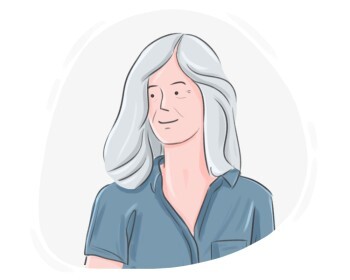
Ex: He could have kicked himself when he realized that he had forgotten the meeting. 
Close
Sign in
gray
gray
[Adjective]

(of a person) having gray hair as a sign of aging

Ex: The gray gentleman spoke with the wisdom that his years had brought him. 
Close
Sign in
to please
to please
[Verb]

to do what one wants or desires, without worrying about the opinions or desires of others

Ex: The boss preferred me to work late, but he told me to please myself. 
Close
Sign in
LanGeek
Download LanGeek app