pattern

SAT Natural Sciences - Disease and Pathology

Here you will learn some English words related to diseases and pathology, such as "malignant", "prognosis", "sepsis", etc. that you will need to ace your SATs.

Review

Flashcards

Forms

Spelling

Quiz

Start learning
SAT Vocabulary for Natural Sciences
benign
benign
[Adjective]

(of an ilness) not fatal or harmful

Ex: The veterinarian informed the pet owner that the lump on their dog 's paw was benign and did not require surgery .
Close
Sign in
malignant
malignant
[Adjective]

(of a tumor or disease) uncontrollable and likely to be fatal

Ex: The oncologist recommended a combination of chemotherapy and radiation to combat the malignant disease .
Close
Sign in
latent
latent
[Adjective]

(of a medical condition or infection) present in the body but not currently producing symptoms

Ex: Doctors monitored the latent infection for signs of activation .
Close
Sign in
chronic
chronic
[Adjective]

(of an illness) difficult to cure and long-lasting

Ex: Sarah 's chronic migraine headaches often last for days , despite trying different medications .
Close
Sign in
syndrome
syndrome
[noun]

a group of medical signs that indicate a person is suffering from a particular disease or condition

Ex: Asperger 's syndrome, a form of autism spectrum disorder , is characterized by difficulties in social interaction and nonverbal communication , as well as restricted and repetitive patterns of behavior and interests .
Close
Sign in
affliction

a state of pain or suffering due to a physical or mental condition
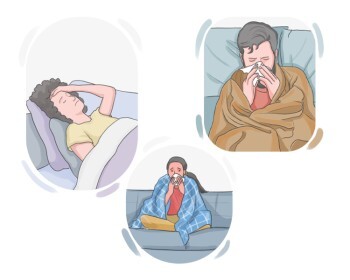
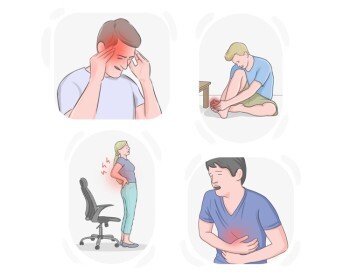
Ex: The affliction of migraines made it difficult for her to concentrate and disrupted her daily routine .
Close
Sign in
ailment
ailment
[noun]

an illness, often a minor one

Ex: The clinic offers treatment for a wide range of ailments, from allergies to chronic conditions .
Close
Sign in
prognosis
prognosis
[noun]

a professional opinion regarding the likely course of an illness

Ex: The veterinarian discussed the prognosis for the cat 's kidney disease , outlining potential treatment options and expected outcomes .
Close
Sign in
contagion
contagion
[noun]

any disease or virus that can be easily passed from one person to another
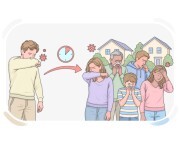
Ex: Despite their efforts , the contagion spread rapidly , leading to a significant increase in hospital admissions .
Close
Sign in
epidemic
epidemic
[noun]

the rapid spread of an infectious disease within a specific population, community, or region, affecting a significant number of individuals at the same time

Ex: The epidemic put a strain on the healthcare system .
Close
Sign in
life-threatening
life-threatening
[Adjective]

posing a significant risk to a person's life

Ex: A life-threatening allergic reaction requires immediate medical attention .
Close
Sign in
asymptomatic
asymptomatic
[Adjective]

(of a disease) not showing any symptoms associated with it

Ex: Despite being asymptomatic, the patient was advised to monitor their health closely for any signs of illness .
Close
Sign in
inflammation

a physical condition in which a part of the body becomes swollen, painful, and red as a result of an infection or injury

Close
Sign in
glaucoma
glaucoma
[noun]

an eye condition characterized by increased pressure within the eye, which can lead to optic nerve damage and vision loss if not treated

Ex: Timely intervention through medication or surgery can help slow or prevent further vision loss in glaucoma.
Close
Sign in
sepsis
sepsis
[noun]

a severe, life-threatening response to infection causing widespread inflammation and potential organ failure

Ex: Timely diagnosis of the underlying infection is essential for effective sepsis management .
Close
Sign in
fatty liver

a condition where excess fat accumulates in liver cells, often due to factors like alcohol consumption or obesity

Ex: Fatty liver can progress to more serious liver conditions if not managed properly .
Close
Sign in
steatosis
steatosis
[noun]

a medical condition characterized by the abnormal accumulation of fat within liver cells
Close
Sign in
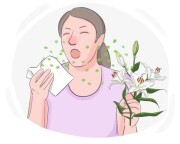
allergy
allergy
[noun]

a medical condition in which one's body severely reacts to a specific substance if it is inhaled, touched, or ingested

Ex: After coming into contact with the cat , she experienced an allergic reaction due to her pet allergy.
Close
Sign in
concussion

a momentary loss of consciousness provoked by a hard blow on the head

Ex: The doctor ordered a brain scan to assess the severity of the concussion and rule out any potential complications .
Close
Sign in
autism
autism
[noun]

a disorder that begins in early childhood, causing behavioral, social, and communication challenges

Close
Sign in
hypertension

a condition that arises when one is experiencing a chronic elevation of blood pressure

Close
Sign in
cardiovascular disease

a group of disorders affecting the heart and blood vessels, including conditions such as coronary artery disease, hypertension, and stroke

Ex: Public health campaigns aim to raise awareness about the risks factors associated with cardiovascular disease.
Close
Sign in
tuberculosis

a potentially severe bacterial disease that primarily affects the lungs and causes swellings to appear on them or other parts of the body

Close
Sign in
cystic fibrosis

a genetic disorder causing the production of thick and sticky mucus, affecting the respiratory and digestive systems and leading to various complications

Ex: Individuals with cystic fibrosis often experience chronic lung infections due to the difficulty in clearing mucus from the airways .
Close
Sign in
yellow fever

a tropical viral disease, characterized by fever, muscle pain, etc. which consequently leads to jaundice and potential death, transmitted by infected mosquitoes

Close
Sign in
virulent
virulent
[Adjective]

(of a disease) able to make one sick

Ex: The virulent bacteria spread quickly through the population, causing widespread illness.
Close
Sign in
insomnia
insomnia
[noun]

a disorder in which one is unable to sleep or stay asleep
Ex: Despite feeling exhausted , his insomnia made it impossible for him to get a good night 's rest .
Close
Sign in
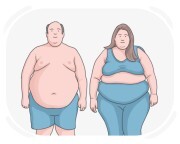
obesity
obesity
[noun]

the condition of having such a high amount of body fat that it becomes very dangerous for one's health

Ex: Addressing obesity requires a multifaceted approach that includes promoting healthy eating habits , regular physical activity , and community-wide initiatives .
Close
Sign in
trauma
trauma
[noun]

a medical condition of the mind caused by extreme shock, which could last for a very long time

Ex: Witnessing a natural disaster can leave survivors with lasting trauma and fear .
Close
Sign in
attention deficit disorder

a neurological condition characterized by difficulty in sustaining attention, hyperactivity, and impulsivity, typically diagnosed in childhood and often persisting into adulthood

Ex: Strategies such as creating structured routines can help individuals with ADD manage daily activities more effectively.
Close
Sign in
dementia
dementia
[noun]

a mental condition that happens when the brain is damaged by disease or injury, causing memory loss and impairing the ability to think or make decisions

Ex: Alzheimer 's disease is a common form of dementia.
Close
Sign in
mumps
mumps
[noun]

an infectious viral disease characterized by fever and the painful swelling of the neck

Close
Sign in
measles
measles
[noun]

a contagious disease that causes high fever and small red spots on the body, common in children

Ex: Complications of measles can include pneumonia , encephalitis ( brain inflammation ) , and in severe cases , death .
Close
Sign in
narcolepsy

a neurological condition causing sudden, uncontrollable episodes of sleep, often accompanied by muscle weakness or vivid dreams

Ex: Narcolepsy is often diagnosed through a combination of medical history, sleep studies, and neurological examinations.
Close
Sign in
gigantism
gigantism
[noun]

a rare medical condition characterized by excessive growth and height due to an overproduction of growth hormone during childhood and adolescence

Ex: Early detection and management of gigantism are crucial to prevent irreversible effects on health .
Close
Sign in
restless leg syndrome

a condition causing an irresistible urge to move the legs, often with uncomfortable sensations, usually worse in the evening or at night

Ex: People with restless leg syndrome sometimes feel tingling or crawling sensations in their legs .
Close
Sign in
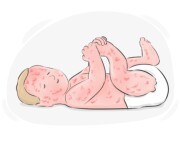
dermatitis

a general term referring to inflammation of the skin, often causing redness, itching, and various skin conditions

Ex: Scratching can worsen dermatitis, leading to more irritation and redness .
Close
Sign in
fester
fester
[noun]

a sore or wound that has become infected and is producing pus, often characterized by inflammation and discomfort

Ex: The untreated scrape turned into a painful fester on his leg .
Close
Sign in
LanGeek
Download LanGeek app