
pattern

C1 Level Wordlist - The Environment

Here you will learn some English words about the environment, such as "compost", "refine", "disposal", etc. prepared for C1 learners.

Review

Flashcards

Forms

Spelling

Quiz

Start learning
CEFR C1 Vocabulary
biodegradable
biodegradable
[Adjective]

(of an object) able to be broken down by living organisms such as bacteria, which is then safe for the environment

Ex: Certain detergents and cleaning products are formulated with biodegradable ingredients to minimize environmental impact .
Close
Sign in
carbon-neutral
carbon-neutral
[Adjective]

describing a state in which the carbon dioxide emission reaches zero or there is a balance between the amount of carbon dioxide emitted and absorbed

Ex: Carbon-neutral buildings use sustainable materials and energy-efficient designs to minimize environmental impact .
Close
Sign in
zero-emission
zero-emission
[Adjective]

(of a vehicle) not producing gases harmful to the environment

Ex: Investing in zero-emission technology is crucial for reducing carbon footprints and combating climate change .
Close
Sign in
crude
crude
[Adjective]

(of natural substances such as oil) unprocessed and in raw form
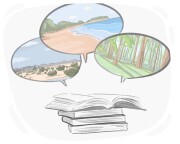
Ex: The documentary highlighted the environmental impact of crude oil extraction in fragile ecosystems.
Close
Sign in
ecological
ecological
[Adjective]

related to the connection between animals, plants, and humans and their environment
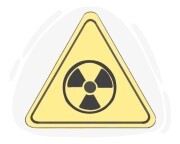
Ex: Ecological awareness encourages individuals to adopt environmentally friendly practices in their daily lives .
Close
Sign in
radioactive
radioactive
[Adjective]

containing or relating to a dangerous form of energy produced by nuclear reactions

Ex: Geiger counters are used to detect and measure levels of radioactive contamination .
Close
Sign in
free-range
free-range
[Adjective]

related to a type of farming in which animals and birds can move around and eat freely, instead of being kept in a limited area
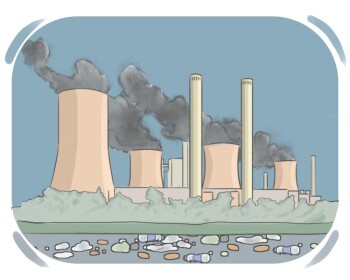
Ex: The supermarket stocks a variety of free-range poultry products to cater to environmentally conscious shoppers .
Close
Sign in
to contaminate

to make a place, substance, etc. dirty or harmful by adding dangerous material
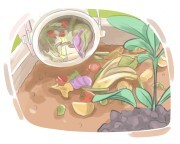
Ex: Oil spills can contaminate beaches and marine ecosystems , causing extensive environmental damage .
Close
Sign in
to compost

to make decayed leaves, plants, or other organic waste into a mixture that can improve the soil's quality to help plants grow more quickly
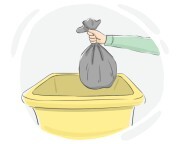
Ex: Composting coffee grounds and eggshells adds valuable nutrients to the soil .
Close
Sign in
to dump
to dump
[Verb]

to get rid of waste material, particularly in an unorganized manner
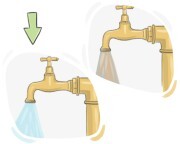
Ex: They dumped the leftover food into the compost bin .
Close
Sign in
to refine
to refine
[Verb]

to remove unwanted or harmful substances from another substance
Ex: The oil industry continuously refines crude oil into various usable products .
Close
Sign in
to reuse
to reuse
[Verb]

to use something once more, usually for a different purpose
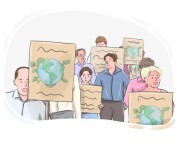
Ex: They reused glass bottles as decorative vases for the wedding centerpieces .
Close
Sign in
conservationist

someone who makes efforts to protect the environment and wildlife from any type of harm

Ex: The conservationist campaigned successfully to establish wildlife reserves in threatened areas .
Close
Sign in
eco-anxiety

a feeling of great worry regarding the current and future state of the environment threatened by humans

Ex: Educators are developing programs to help students cope with eco-anxiety and take positive action for the environment .
Close
Sign in
disposal
disposal
[noun]

the act of getting rid of waste material
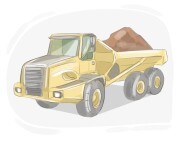
Ex: The landfill site is designated for the disposal of non-recyclable materials .
Close
Sign in
dumper
dumper
[noun]

a truck with a container that can be elevated to unload waste material
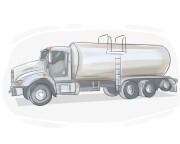
Ex: The company invested in a fleet of dumpers to handle large-scale earthmoving projects .
Close
Sign in
tanker
tanker
[noun]

a ship, aircraft, or road vehicle for carrying liquids, particularly crude oil or gas in large quantities

Ex: Environmentalists raised concerns about the safety of tanker ships carrying hazardous materials through sensitive marine ecosystems .
Close
Sign in
logging
logging
[noun]

the act of cutting down trees to use their wood

Ex: The government imposed restrictions on logging to protect endangered species and their habitats.
Close
Sign in
carbon monoxide

an odorless, colorless, and poisonous gas that is produced from the burning of fossil fuels, which proves lethal in some cases

Ex: Carbon monoxide poisoning symptoms include headache, dizziness, and nausea.
Close
Sign in
microplastic

very small plastic pieces in the environment that originate from personal care products, clothing, etc. and the degradation of other plastic products

Ex: Consumer awareness about reducing plastic waste is crucial in preventing the accumulation of microplastics in the environment .
Close
Sign in
pylon
pylon
[noun]

a tall metal structure used for carrying high-voltage power lines above the ground

Ex: The power company erected additional pylons to meet growing electricity demands in the region .
Close
Sign in
reactor
reactor
[noun]

a large machine or structure used for producing nuclear energy
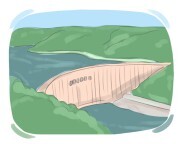
Ex: Scientists are researching advanced reactor designs for cleaner and more efficient energy production .
Close
Sign in
hydroelectricity

electricity that is produced from the power of water

Ex: Hydroelectricity is considered a clean energy alternative to fossil fuels because it produces minimal greenhouse gas emissions.
Close
Sign in
ozone layer

a layer of gases in the earth's atmosphere that does not let the sun's ultraviolet radiation pass through
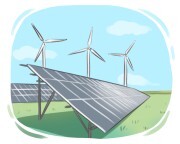
Ex: International agreements like the Montreal Protocol aim to protect the ozone layer by phasing out ozone-depleting substances .
Close
Sign in
solar cell

a device that converts the energy of the sun into electricity
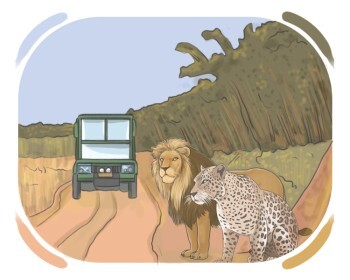
Ex: Installing solar cells on rooftops can reduce dependence on fossil fuels and lower electricity bills .
Close
Sign in
sanctuary
sanctuary
[noun]

an area for birds and animals to live and to be protected from dangerous conditions and being hunted

Ex: Education programs at the sanctuary teach visitors about conservation and the importance of protecting natural habitats.
Close
Sign in
toll
toll
[noun]

the number of people who have died or gotten injured because of a war, natural disaster, pandemic, etc.
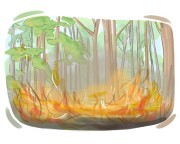
Ex: Climate change is expected to increase the toll from extreme weather events in vulnerable regions .
Close
Sign in
wildfire
wildfire
[noun]

a large fire that spreads fast and causes much destruction

Ex: Aerial firefighting efforts were deployed to suppress the wildfire from spreading further .
Close
Sign in
tidal wave

a sudden rise of seawater onto the shore driven primarily by strong onshore winds, often compounding the normal tidal cycle

Ex: The marina 's docks floated away after a tidal wave, fueled by relentless spring storms , inundated the bay .
Close
Sign in
herbicide
herbicide
[noun]

a chemical substance that kills plants, used for destroying plants that are not wanted

Ex: Proper application of herbicides is essential to prevent damage to non-target plants and ecosystems .
Close
Sign in
pollutant
pollutant
[noun]

any substance that is harmful to the environment
Ex: Governments worldwide are working together to address global pollutants through international agreements .
Close
Sign in
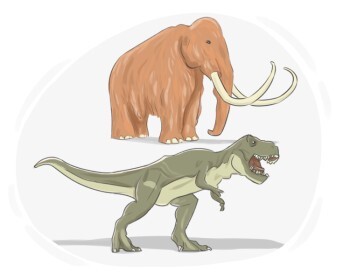
to die out

to completely disappear or cease to exist
Ex: By the end of the century , experts fear that some ecosystems will have died out due to climate change .
Close
Sign in
rot
rot
[noun]

the process of being destroyed via natural causes

Ex: Composting involves the controlled decomposition of organic matter to prevent it from rotting in landfills.
Close
Sign in
oil rig
oil rig
[noun]

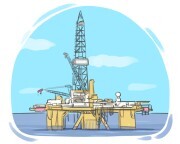
a large facility used for drilling oil or gas from underground or under the sea

Ex: The oil rig was damaged during the storm , causing an oil spill into the ocean .
Close
Sign in
LanGeek
Download LanGeek app
