pattern

Cambridge IELTS 18 - Academic - Test 3 - Reading - Passage 2 (1)

Here you can find the vocabulary from Test 3 - Reading - Passage 2 (1) in the Cambridge IELTS 18 - Academic coursebook, to help you prepare for your IELTS exam.

Review

Flashcards

Forms

Spelling

Quiz
Start learning
Cambridge IELTS 18 - Academic
to nickname

to give someone or something a different name, often to show affection or emphasize a particular trait
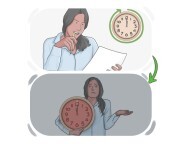
Ex: The towering skyscraper, officially named "Metropolis Tower," was nicknamed "The Silver Needle" by locals due to its sleek design. 
Close
Sign in
to lack
to lack
[Verb]

to be without or to not have enough of something that is needed or desirable

Ex: She failed to complete the project on time because she lacked the necessary resources. 
Close
Sign in
convenience

the state of being helpful or useful for a specific situation

Ex: The convenience of online shopping makes it popular with busy people. 
Close
Sign in
to draw
to draw
[Verb]

to lead or attract someone toward a specific place, situation, or course of action, often by exerting an appealing force or influence

Ex: Last year, the captivating art exhibition drew a large crowd to the gallery. 
Close
Sign in
trade
trade
[noun]

a particular type of business or industry that deals with buying and selling goods or services
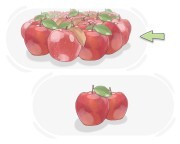
Ex: The building trade has grown in the last few years. 
Close
Sign in
numerous
numerous
[Adjective]

indicating a large number of something
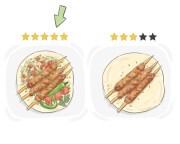
Ex: The library has numerous books on various subjects. 
Close
Sign in
superior
superior
[Adjective]

surpassing others in terms of overall goodness or excellence

Ex: The superior craftsmanship of the handmade furniture set it apart from mass-produced alternatives. 
Close
Sign in
to drive
to drive
[Verb]

to generate the power necessary to make a machine work

Ex: Hydroelectric dams drive the turbines to generate energy. 
Close
Sign in
piston
piston
[noun]

a solid, round part that moves back and forth inside a hollow tube in an engine or machine, helping to push or pull gases or liquids, or to turn pressure into movement

Ex: The piston moves up and down inside the engine. 
Close
Sign in
virtual
virtual
[Adjective]

very similar to the actual thing in almost every way

Ex: The virtual silence in the library made it a perfect place for focused studying. 
Close
Sign in
in contrast to
in contrast to
[preposition]

showing a difference when compared to something else
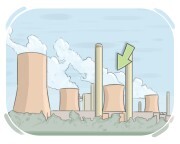
Ex: In contrast to her outgoing sister, he was more reserved and introverted. 
Close
Sign in
to emit
to emit
[Verb]

to release gases or odors into the air

Ex: The factory chimney emits smoke into the air, affecting the local air quality. 
Close
Sign in
aroma
aroma
[noun]

any property detected by the olfactory system

Close
Sign in
hydrocarbon

a compound composed of hydrogen and carbon atoms, with the simplest form being alkanes, alkenes, or alkynes
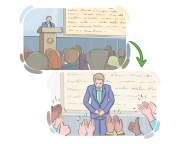
Ex: Methane (CH₄) is the simplest hydrocarbon, belonging to the alkane group. 
Close
Sign in
impressively
impressively
[Adverb]

in a way that is remarkable or notable, often causing a sense of admiration or awe
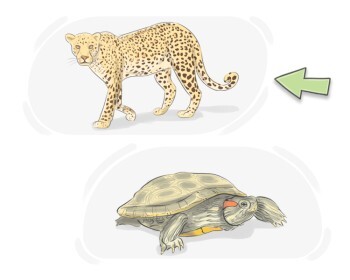
Ex: The mountain peak towered impressively against the clear sky, offering a breathtaking view. 
Close
Sign in
swift
swift
[Adjective]

occurring or moving with great speed

Ex: The swift wind carried the kite high into the sky. 
Close
Sign in
to accelerate

to make a vehicle, machine or object move more quickly

Ex: The pilot smoothly pushed the throttle forward to accelerate the airplane for takeoff. 
Close
Sign in
feat
feat
[noun]

an impressive or remarkable achievement or accomplishment, often requiring great skill or strength

Close
Sign in
acceleration

the rate at which a vehicle increases its speed over a specific distance or time
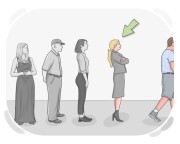
Ex: The driver's car showed impressive acceleration coming out of the corner. 
Close
Sign in
following
following
[Adjective]

coming immediately after a person or thing in time, place, or rank
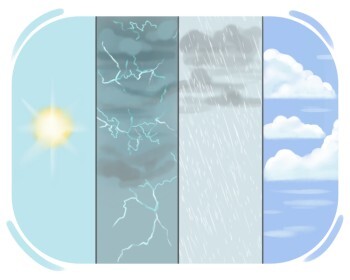
Ex: The following paragraph provides additional information about the topic. 
Close
Sign in
heading
heading
[noun]

a line of text serving to indicate what the passage below it is about

Close
Sign in
conditions

the atmospheric conditions that comprise the state of the atmosphere in terms of temperature and wind and clouds and precipitation

Close
Sign in
to assess
to assess
[Verb]

to form a judgment on the quality, worth, nature, ability or importance of something, someone, or a situation

Ex: The manager assesses employees' performance during quarterly reviews. 
Close
Sign in
aspect
aspect
[noun]

a defining or distinctive feature of something

Ex: One important aspect of the project is meeting the deadline. 
Close
Sign in
to pass on

to transfer knowledge, traditions, or skills to another person or group, often to ensure they are preserved or continued

Ex: The martial arts instructor decided to pass on his advanced techniques only to his most dedicated students. 
Close
Sign in
commercial
commercial
[Adjective]

of the kind or quality used in commerce; average or inferior

Close
Sign in
order
order
[noun]

a request for a specific item or service to be provided

Ex: He made a mistake on his order and had to correct it. 
Close
Sign in
publicity
publicity
[noun]

actions or information that are meant to gain the support or attention of the public

Ex: The company used social media publicity to promote its new product, generating buzz before the launch. 
Close
Sign in
steam car
steam car
[noun]

a vehicle powered by a steam engine, typically fueled by burning combustible material

Ex: In the late 19th century, the Stanley Motor Carriage Company produced steam cars that were popular for their reliability and smooth operation. 
Close
Sign in
to arise
to arise
[Verb]

to begin to exist or become noticeable

Ex: Unexpected challenges can arise during the course of a project, requiring swift problem-solving. 
Close
Sign in
primitive
primitive
[Adjective]

basic and simple, lacking modern features or advancements
Ex: The primitive tools, consisting of simple stone implements, were used by early humans for hunting and gathering. 
Close
Sign in
to base on

to develop something using certain facts, ideas, situations, etc.

Ex: The report is based on extensive research in the field. 
Close
Sign in
railway
railway
[noun]

a system or network of tracks with the trains, organization, and people needed to operate them
Close
Sign in
to evolve
to evolve
[Verb]

to develop from a simple form to a more complex or sophisticated one over an extended period

Ex: The Internet has evolved from a basic communication tool to a complex network of information. 
Close
Sign in
miniaturized
miniaturized
[Adjective]

made smaller in size or scale, often while retaining essential features or functions

Close
Sign in
to inherit

to receive or be left with a situation, object, or condition from a predecessor or former owner

Ex: The new CEO inherited a company struggling with financial difficulties from her predecessor. 
Close
Sign in
boiler
boiler
[noun]

a closed vessel in which water is heated to create steam or hot water, used for heating buildings, producing electricity, or powering machines
Ex: The building’s boiler provides hot water and heating during the winter. 
Close
Sign in
to light
to light
[Verb]

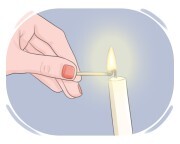
to set something on fire

Ex: She lit the candles on the birthday cake with a match. 
Close
Sign in
to build up

to make something more powerful, intense, or larger in quantity

Ex: She built up her reputation as a reliable professional over the years. 
Close
Sign in
furthermore
furthermore
[Adverb]

used to introduce additional information

Ex: The research findings supported the hypothesis, and furthermore, they provided valuable insights into potential applications. 
Close
Sign in
reservoir
reservoir
[noun]

a large container or storage tank used for collecting and holding water or other fluids

Ex: The municipality constructed a reservoir to store water for the city's growing population. 
Close
Sign in
replenishment

the process of refilling or restoring something to its original level or condition

Ex: The replenishment of the pantry was necessary after the long winter months. 
Close
Sign in
shortcoming

a flaw or weakness that reduces the quality or effectiveness of something or someone

Ex: Despite his many talents, his inability to delegate tasks was a significant shortcoming. 
Close
Sign in
designed
designed
[Adjective]

done or made or performed with purpose and intent

Close
Sign in
self-propelled
self-propelled
[Adjective]

moved forward by its own force or momentum

Close
Sign in
carriage
carriage
[noun]

a passenger railcar or coach

Ex: The train stopped and passengers boarded the carriage. 
Close
Sign in
to shuttle

to convey or move people or items back and forth between locations

Ex: The hotel provides a service to shuttle guests from the airport to the hotel and vice versa. 
Close
Sign in
citizen
citizen
[noun]

someone whose right of belonging to a particular state is legally recognized either because they are born there or are naturalized

Ex: Every citizen has the right to vote in democratic elections. 
Close
Sign in
internal combustion engine

a type of motor that burns fuel inside cylinders to generate power for vehicles or machinery
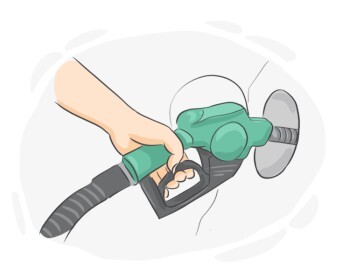
Ex: Cars and motorcycles commonly use internal combustion engines to move, burning fuel like gasoline or diesel to create energy. 
Close
Sign in
gasoline
gasoline
[noun]

a liquid used by cars, trucks, etc. as a fuel

Ex: I need to stop at the gas station to fill up my car with gasoline. 
Close
Sign in
to operate

to manage or control the working of a machine, process, or system to ensure it performs its intended function

Ex: She learned how to operate the machinery in the factory. 
Close
Sign in
to backfire

(of a vehicle or its engine) to experience an explosion in the engine or exhaust system due to improper timing, causing a loud noise or malfunction
Ex: The old car backfired when I tried to start it this morning. 
Close
Sign in
gradually
gradually
[Adverb]

in small amounts over a long period of time

Ex: As the project advanced, the team's understanding of the requirements deepened gradually. 
Close
Sign in
to phase out

to gradually stop using, producing, or providing something
Ex: The company plans to phase out the older models of their smartphones next year. 
Close
Sign in
to decline

to reduce in amount, size, intensity, etc.

Ex: Sales often decline during economic downturns. 
Close
Sign in
to rekindle

to revive or renew something, such as a relationship or interest, that has faded
Ex: After years apart, they managed to rekindle their childhood friendship. 
Close
Sign in
to comprise

to be made up of various components or parts within a whole

Ex: The committee comprises members from various departments. 
Close
Sign in
wrecked
wrecked
[Adjective]

destroyed in an accident

Close
Sign in
to run
to run
[Verb]

to cause engines or machines to operate, function, or perform their designated tasks

Ex: He ran the washing machine to clean his clothes. 
Close
Sign in
prototype
prototype
[noun]

an early or preliminary model of something from which other forms are developed or copied
Ex: The engineers created a prototype of the new electric car to test its performance and safety features. 
Close
Sign in
to intend
to intend
[Verb]

to have something in mind as a plan or purpose

Ex: She intends to travel abroad next summer. 
Close
Sign in
glory days

a time in the past when someone or something was at its best, most successful, or most admired

Ex: He often talks about his glory days in college. 
Close
Sign in
hand crank

a handle that is turned by hand to operate a machine or device

Ex: The old car had a hand crank to start the engine. 
Close
Sign in
starter
starter
[noun]

an electric motor for starting an engine

Close
Sign in
to configure

to set up a system, device, software, or components in a specific way to achieve a desired functionality

Ex: Before using the new printer, you need to configure it by installing the necessary drivers and adjusting settings. 
Close
Sign in
clattering

a loud and repeated banging or rattling sound made when hard objects hit or move against each other

Ex: The clattering of wheels filled the quiet street. 
Close
Sign in
LanGeek
Download LanGeek app