
TOEFL এর জন্য উন্নত শব্দভাণ্ডার - ভাষা এবং ব্যাকরণ
এখানে আপনি TOEFL পরীক্ষার জন্য প্রয়োজনীয় ভাষা এবং ব্যাকরণ সম্পর্কে কিছু ইংরেজি শব্দ শিখবেন, যেমন "ব্যুৎপত্তি", "লিঙ্গ", "ইঙ্গিত" ইত্যাদি।
পর্যালোচনা
ফ্ল্যাশকার্ডসমূহ
বানান
কুইজ


the study of the origins and historical developments of words and their meanings

শব্দতত্ত্ব
শব্দতত্ত্ব অধ্যয়ন ভাষাগুলি কীভাবে বিকশিত হয় এবং একে অপরের থেকে ধার করে তা বুঝতে সহায়তা করে।
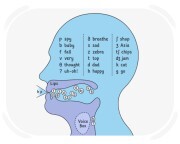
the science and study of speech sounds and their production
ধ্বনিবিজ্ঞান

the study of the evolution and structure of language in general or of certain languages
ভাষাবিজ্ঞান, ভাষার বিজ্ঞান
(in the grammar of some languages) a group of nouns, pronouns, or adjectives changing in the same way to indicate case, number, and gender
বিভক্তি, নামের রূপান্তর
লাতিন ভাষায়, বিশেষ্য এবং বিশেষণ বাক্যে তাদের ভূমিকার উপর ভিত্তি করে বিভক্তি নামে বিভিন্ন রূপ পরিবর্তনের মধ্য দিয়ে যায়।
(grammar) to show how a verb changes depending on number, person, tense, etc.
ক্রিয়া রূপ দেওয়া
ভাষাবিদ্যার অধ্যাপক ব্যাখ্যা করেছিলেন কিভাবে বিভিন্ন ভাষা তাদের ব্যাকরণগত কাঠামোর উপর ভিত্তি করে ক্রিয়াগুলিকে আলাদাভাবে সংযোজন করে।
a grammatical category that groups words as masculine, feminine, neuter, or another class
লিঙ্গ, ব্যাকরণিক লিঙ্গ
(grammar) related to verbs that express wishes, possibility, or doubt
সম্ভাবনাসূচক, সম্ভাবনাসূচকের
ভাষায় সাবজেক্টিভ মুড কখন ব্যবহার করতে হবে তা বোঝা অর্থের সূক্ষ্মতা প্রকাশ এবং নির্দিষ্ট মনোভাব বা বিশ্বাস প্রকাশের জন্য গুরুত্বপূর্ণ।

(grammar) a letter or a set of letters that are added to the beginning of a word to alter its meaning and make a new word
উপসর্গ
'Pre-' এবং 'dis-' এর মতো সাধারণ উপসর্গগুলি বোঝা শিক্ষার্থীদের অপরিচিত শব্দগুলি ডিকোড করতে সহায়তা করতে পারে।

(grammar) a letter or a set of letters that are added to the end of a word to alter its meaning and make a new word
প্রত্যয়, পরসর্গ
'Quick' শব্দে '-ly' প্রত্যয় যোগ করলে শব্দটি 'quickly'-তে পরিবর্তিত হয়, যা একে ক্রিয়াবিশেষণে পরিণত করে।
(grammar) connected with or functioning as an adjective
বিশেষণগত, বিশেষণ
কিছু ভাষা লিঙ্গ বা সংখ্যা নির্দেশ করতে বিশেষণমূলক শেষাংশ ব্যবহার করে।
words, phrases, and expressions used by a specific group or profession, which are incomprehensible to others
পেশাগত ভাষা, বিশেষায়িত শব্দভাণ্ডার
'habeas corpus', 'amicus curiae' এবং 'subpoena' এর মতো শব্দ সহ আইনি জার্গন, অ-আইনজীবীদের জন্য বোঝা কঠিন হতে পারে।
the use of words that convey the opposite meaning as a way to annoy someone or for creating a humorous effect
ব্যঙ্গ, বিদ্রূপ
যখন তিনি বললেন, "ওহ, দুর্দান্ত, আরও একটি সোমবার," তার ব্যঙ্গ অফিসের সবার কাছে স্পষ্ট ছিল।
a statement that implies or indirectly mentions something or someone else, especially as a literary device
ইঙ্গিত, উল্লেখ
a comparison between two different things, done to explain the similarities between them
সাদৃশ্য
the use of the same letter or sound at the beginning of the words in a verse or sentence, used as a literary device
অনুপ্রাস
অলঙ্কার বক্তৃতা ও কবিতায় একটি ছন্দময় গুণ যোগ করে।
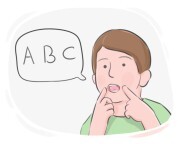
to pronounce or utter something in a clear and precise way
স্পষ্টভাবে উচ্চারণ করা, পরিষ্কারভাবে বলা
(grammar) expressing or indicating a positive statement or response
ইতিবাচক, সহমত
ব্যাকরণের অনুশীলনগুলি সকারাত্মক এবং নেতিবাচক রূপগুলির মধ্যে পার্থক্য করে।
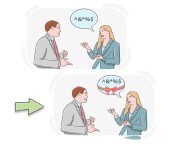
a word or expression that is used instead of a harsh or insulting one in order to be more tactful and polite
সৌজন্যবাচক শব্দ, মৃদু অভিব্যক্তি
শিশুদের মন খারাপ করতে এড়াতে, তিনি একটি ইউফেমিজম ব্যবহার করেছিলেন, বলেছিলেন যে তাদের পোষা খরগোশ "একটি খামারে গেছে" তার মৃত্যুর কথা উল্লেখ করার পরিবর্তে।
a form of humor in which the words that someone says mean the opposite, producing an emphatic effect
বিদ্রূপ
a logically contradictory statement that might actually be true
প্যারাডক্স, যৌক্তিক বৈপরীত্য
সময় ভ্রমণের ধারণাটি একটি প্যারাডক্স উপস্থাপন করে, কারণ এটি কার্যকারণ এবং অতীত পরিবর্তনের সম্ভাবনা সম্পর্কে প্রশ্ন উত্থাপন করে।
a technique used in speech and writing to exaggerate the extent of something
অতিশয়োক্তি, অত্যুক্তি
যখন সে বলল যে সে এতটাই ক্ষুধার্ত যে একটি হাতি খেতে পারে, তখন এটা স্পষ্ট ছিল যে সে অতিশয়োক্তি ব্যবহার করছিল।
a clever or amusing use of words that takes advantage of the multiple meanings or interpretations that it has
শব্দের খেলা, পুন
কমেডিয়ান তার স্ট্যান্ড-আপ রুটিনে শব্দের খেলা ব্যবহারের জন্য পরিচিত।
connected with the art of writing or speaking in an effective or persuasive way
অলঙ্কারিক, বাগ্মিতা
রাজনীতিবিদ বিষয়ে জনমতকে প্রভাবিত করতে অলঙ্কারমূলক কৌশলগুলি ব্যবহার করেছিলেন।
humor, irony, ridicule, or sarcasm used to expose or criticize the faults and shortcomings of a person, government, etc.
ব্যঙ্গ, বিদ্রূপ
সুইফটের "একটি মডেস্ট প্রোপোজাল"-এ ব্রিটিশ নীতির ব্যঙ্গ আজও অধ্যয়ন করা হয়।
the redundant repetition of an idea using different words in a sentence or phrase
অনুক্তি, অতিরিক্ত পুনরাবৃত্তি
লেখালেখিতে অনেক নবীন প্রায়ই অনুক্তি ব্যবহার করার ভুল করে বুঝতে পারেনা।
(linguistics) the speech pattern that an individual uses at a particular period of life
ব্যক্তিগত উপভাষা, ব্যক্তিগত বক্তব্য প্যাটার্ন
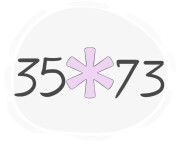
the symbol * used in writing or printing to show that there is more information about something in the footnote or as an indication of importance or omission
তারকাচিহ্ন, স্টার চিহ্ন
to use punctuation marks in a text in order to make it more understandable
যতিচিহ্ন দেওয়া
শিক্ষক ছাত্রদের মনে করিয়ে দিয়েছিলেন যে একটি চরিত্র কখন কথা বলছে তা নির্দেশ করতে উদ্ধৃতি চিহ্ন দিয়ে তাদের সংলাপ বিরামচিহ্ন করতে।
the smallest unit of sound in a language that can distinguish meaning, often represented by a specific symbol in phonetic notation
ধ্বনিমূলক, শব্দ একক
উদাহরণস্বরূপ, ইংরেজিতে, ধ্বনিমূল /p/ এবং /b/ পৃথক কারণ তারা "pat" এবং "bat" এর মতো শব্দের অর্থ পরিবর্তন করতে পারে।
(linguistics) a branch of linguistics that deals with meaning, reference, or truth
অর্থবিজ্ঞান
বিভিন্ন প্রসঙ্গে সূক্ষ্মতা এবং সূক্ষ্মতা ব্যাখ্যা করার জন্য সিমান্টিক্স বোঝা অপরিহার্য।
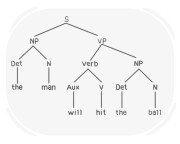
(linguistics) the way in which words and phrases are arranged to form grammatical sentences in a language
বাক্য গঠন, ব্যাকরণিক কাঠামো
একটি ভাষার বাক্য গঠন বোঝা ব্যাকরণগতভাবে সঠিক এবং অর্থপূর্ণ বাক্য গঠনের জন্য অত্যন্ত গুরুত্বপূর্ণ।
(grammar) a group of verb forms that indicate if the action or state is conceived as a statement, question, command or in another way
ভাব, প্রকার
(linguistics) all the words and phrases of a language, including the function words
শব্দভাণ্ডার, অভিধান
the complete set of meaningful units in a language or a branch of knowledge, or words or phrases that a speaker uses
শব্দকোষ, শব্দভান্ডার
ভাষাবিদরা একটি ভাষার শব্দভাণ্ডার বিশ্লেষণ করে এর শব্দভাণ্ডার এবং শব্দগুলির মধ্যে সম্পর্ক বুঝতে পারেন।
(grammar) one of two or more words with the same pronunciation that differ in meaning, spelling or origin
সমোচ্চারিত শব্দ, হোমোফোন
কবিতা লেখার সময়, কিছু কবি তাদের শ্লোকে অর্থের স্তর যোগ করতে চতুরতার সাথে সমোচ্চারিত শব্দ ব্যবহার করেন।
