
واژگان سطح پیشرفته برای TOEFL - زبان و دستور زبان
در اینجا شما برخی از کلمات انگلیسی درباره زبان و گرامر، مانند "ریشه شناسی"، "جنسیت"، "کنایه" و غیره را که برای آزمون TOEFL مورد نیاز است، یاد خواهید گرفت.
مرور
فلشکارتها
املای کلمه
آزمون


the study of the origins and historical developments of words and their meanings

ریشهشناسی (واژگان)
مطالعه ریشهشناسی به درک چگونگی تکامل زبانها و وامگیری آنها از یکدیگر کمک میکند.
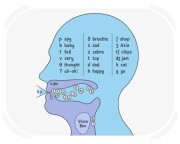
the science and study of speech sounds and their production
آواشناسی (زبانشناسی)
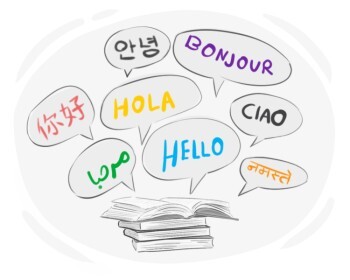
the study of the evolution and structure of language in general or of certain languages
زبانشناسی
(in the grammar of some languages) a group of nouns, pronouns, or adjectives changing in the same way to indicate case, number, and gender
صرف (زبانشناسی)
زبان انگلیسی قدیم یک سیستم پیچیده از تصریف داشت، با فرمهای مختلف برای اسمها بسته به حالت، عدد و جنسیت.
(grammar) to show how a verb changes depending on number, person, tense, etc.
صرف کردن (دستورزبان)
استاد زبانشناسی توضیح داد که چگونه زبانهای مختلف افعال را بر اساس ساختارهای دستوری خود به طور متفاوتی صرف میکنند.
a grammatical category that groups words as masculine, feminine, neuter, or another class
جنس دستوری, جنسیت دستوری
(grammar) related to verbs that express wishes, possibility, or doubt
التزامی (دستورزبان)
درک زمان استفاده از حالت شرطی در زبان برای انتقال ظرافتهای معنی و بیان نگرشها یا باورهای خاص مهم است.

(grammar) a letter or a set of letters that are added to the beginning of a word to alter its meaning and make a new word
پیشوند
فرهنگ واژگان فهرستی از پیشوندها و معانی آنها را برای کمک به تشکیل و درک کلمات ارائه کرد.

(grammar) a letter or a set of letters that are added to the end of a word to alter its meaning and make a new word
پسوند
دانشآموزان افزودن پسوندهای مختلف به کلمات ریشه را تمرین کردند تا ببینند معانی آنها چگونه تغییر کرد.
(grammar) connected with or functioning as an adjective
موصوفی, صفتی، در نقش صفت
برخی زبانها از پایانهای صفتی برای نشان دادن جنسیت یا عدد استفاده میکنند.
words, phrases, and expressions used by a specific group or profession, which are incomprehensible to others
اصطلاحات مخصوص یک صنف, زبان فنی
اصطلاحات حقوقی، شامل عباراتی مانند 'هابیاس کورپوس'، 'آمیکوس کوری' و 'ساپینا'، میتواند برای غیرحقوقدانان دشوار باشد.
the use of words that convey the opposite meaning as a way to annoy someone or for creating a humorous effect
کنایه, طعنه
وقتی گفت: "اوه، عالی، یک دوشنبه دیگر،" تهکم او برای همه در دفتر واضح بود.
a statement that implies or indirectly mentions something or someone else, especially as a literary device
تلمیح
عنوان رمان، "دنیای قشنگ نو"، اشارهای است به "توفان" شکسپیر، که مضامینی از اکتشاف و کشف را پیشنهاد میکند.
a comparison between two different things, done to explain the similarities between them
مقایسه, آنالوژی
او یک قیاس بین دویدن ماراتن و پیگیری یک هدف بلندمدت ترسیم کرد، و بر اهمیت استقامت و پشتکار تأکید کرد.
the use of the same letter or sound at the beginning of the words in a verse or sentence, used as a literary device
واجآرایی
تکرار آوایی کیفیت ریتمیک به سخنرانیها و شعر میافزاید.
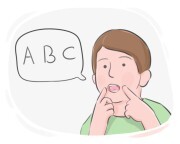
to pronounce or utter something in a clear and precise way
شیوا صحبت کردن, شمرده سخن گفتن
در جلسه گفتاردرمانی، او روی چگونگی تلفظ صداهای دشوار کار کرد.
(grammar) expressing or indicating a positive statement or response
مثبت (دستورزبان)
تمرینهای دستور زبان بین فرمهای مثبت و منفی تمایز قائل میشوند.
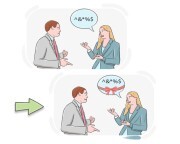
a word or expression that is used instead of a harsh or insulting one in order to be more tactful and polite
حسن تعبیر, بـهگویی
برای جلوگیری از ناراحت کردن بچهها، او از کنایه استفاده کرد و گفت که خرگوش خانگیشان "به یک مزرعه رفته" به جای اشاره به مرگ آن.
a form of humor in which the words that someone says mean the opposite, producing an emphatic effect
وارونهگویی, گواژه
او از کنایه برای انتقاد از پوچی موقعیت استفاده کرد.
a logically contradictory statement that might actually be true
پارادوکس
مفهوم سفر در زمان یک پارادوکس ایجاد میکند، زیرا سوالاتی درباره علیت و امکان تغییر گذشته مطرح میکند.
a technique used in speech and writing to exaggerate the extent of something
اغراق (آرایه ادبی)
وقتی گفت که آنقدر گرسنه است که میتواند یک فیل بخورد، واضح بود که از اغراق استفاده میکند.
a clever or amusing use of words that takes advantage of the multiple meanings or interpretations that it has
جناس (آرایه ادبی), ایهام
کمدین به خاطر استفاده از بازی با کلمات در اجراهایش معروف است.
connected with the art of writing or speaking in an effective or persuasive way
مربوط به زیباشناسی سخن, مربوط به آرایه ادبی
سیاستمدار از استراتژیهای بلاغی برای تأثیرگذاری بر افکار عمومی در مورد این موضوع استفاده کرد.
humor, irony, ridicule, or sarcasm used to expose or criticize the faults and shortcomings of a person, government, etc.
طنز
هجو سویفت از سیاستهای بریتانیا در "پیشنهاد متواضعانه" هنوز هم امروزه مطالعه میشود.
the redundant repetition of an idea using different words in a sentence or phrase
همانگویی (معنیشناسی), توتولوژی
بسیاری از مبتدیان در نوشتن اغلب مرتکب اشتباه استفاده از تکرارهای زائد میشوند بدون اینکه متوجه باشند.
(linguistics) the speech pattern that an individual uses at a particular period of life
گویش فردی
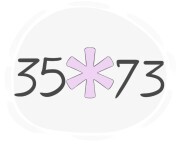
the symbol * used in writing or printing to show that there is more information about something in the footnote or as an indication of importance or omission
ستاره (نشانه * در نشانگذاری), استریسک
to use punctuation marks in a text in order to make it more understandable
نقطهگذاری کردن (دستورزبان), نشانهگذاری کردن
معلم به دانشآموزان یادآوری کرد که گفتگوی خود را با استفاده از علامتهای نقل قول نقطهگذاری کنند تا نشان دهند چه زمانی یک شخصیت صحبت میکند.
the smallest unit of sound in a language that can distinguish meaning, often represented by a specific symbol in phonetic notation
واج (آواشناسی)
به عنوان مثال، در انگلیسی، واجها /p/ و /b/ متمایز هستند زیرا میتوانند معنای کلماتی مانند "pat" و "bat" را تغییر دهند.
(linguistics) a branch of linguistics that deals with meaning, reference, or truth
معناشناسی (زبانشناسی)
درک معناشناسی برای تفسیر ظرافتها و پیچیدگیها در زمینههای مختلف ضروری است.
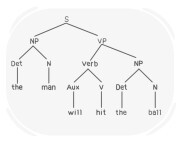
(linguistics) the way in which words and phrases are arranged to form grammatical sentences in a language
نحو (زبانشناسی), علم ترکیب
درک نحو یک زبان برای ساختن جملات دستوری صحیح و معنیدار بسیار مهم است.
(grammar) a group of verb forms that indicate if the action or state is conceived as a statement, question, command or in another way
وجه (دستورزبان)
(linguistics) all the words and phrases of a language, including the function words
واژگان (کلیه واژههای یک زبان)
the complete set of meaningful units in a language or a branch of knowledge, or words or phrases that a speaker uses
گستره واژگان
زبانشناسان واژگان یک زبان را تحلیل میکنند تا واژگان و روابط بین کلمات را درک کنند.
(grammar) one of two or more words with the same pronunciation that differ in meaning, spelling or origin
همآوا
هنگام نوشتن شعر، برخی از شاعران به هوشمندانه از همآواها استفاده میکنند تا لایههای معنایی به اشعار خود اضافه کنند.
