
Từ Vựng Nâng Cao cho TOEFL - Ngôn Ngữ và Ngữ Pháp
Ở đây bạn sẽ học một số từ tiếng Anh về ngôn ngữ và ngữ pháp, chẳng hạn như "từ nguyên", "giới tính", "ám chỉ", v.v. cần thiết cho kỳ thi TOEFL.
Xem lại
Thẻ ghi nhớ
Chính tả
Đố vui


the study of the origins and historical developments of words and their meanings

từ nguyên học
Từ điển bao gồm thông tin về nguồn gốc từ của các từ để cung cấp ngữ cảnh ngôn ngữ.
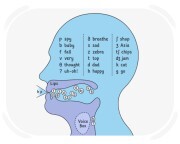
the science and study of speech sounds and their production
ngữ âm học
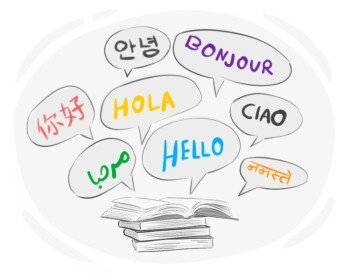
the study of the evolution and structure of language in general or of certain languages
ngôn ngữ học, khoa học ngôn ngữ
(in the grammar of some languages) a group of nouns, pronouns, or adjectives changing in the same way to indicate case, number, and gender
biến cách, sự biến đổi danh từ
Nghiên cứu các mẫu biến cách của danh từ tiếng Nga có thể là thách thức đối với người học ngôn ngữ do sự biến đổi đa dạng của các kết thúc.
(grammar) to show how a verb changes depending on number, person, tense, etc.
chia động từ
Giáo sư ngôn ngữ học đã giải thích cách các ngôn ngữ khác nhau chia động từ khác nhau dựa trên cấu trúc ngữ pháp của chúng.
a grammatical category that groups words as masculine, feminine, neuter, or another class
giống, giống ngữ pháp
(grammar) related to verbs that express wishes, possibility, or doubt
giả định, thuộc về giả định
Trong ngữ pháp, thức giả định được sử dụng để diễn đạt các tình huống giả định, mong muốn hoặc khả năng, chẳng hạn như 'Nếu tôi giàu, tôi sẽ đi du lịch khắp thế giới.'

(grammar) a letter or a set of letters that are added to the beginning of a word to alter its meaning and make a new word
tiền tố
Trong bài học từ vựng, họ tập trung vào cách tiền tố có thể thay đổi ý nghĩa của từ gốc.

(grammar) a letter or a set of letters that are added to the end of a word to alter its meaning and make a new word
hậu tố, tiếp vĩ ngữ
Hiểu cách hậu tố thay đổi từ ngữ là điều cần thiết để mở rộng vốn từ vựng và cải thiện kỹ năng viết.
(grammar) connected with or functioning as an adjective
thuộc tính từ, tính từ
Cụm từ tính từ có thể bao gồm nhiều hơn một từ, chẳng hạn như "đầy hy vọng".
words, phrases, and expressions used by a specific group or profession, which are incomprehensible to others
thuật ngữ, biệt ngữ
Trong ngành công nghệ, thuật ngữ như 'API', 'frontend' và 'backend' thường được sử dụng giữa các nhà phát triển nhưng có thể không rõ ràng đối với những người không có kiến thức kỹ thuật.
the use of words that convey the opposite meaning as a way to annoy someone or for creating a humorous effect
sự mỉa mai, tính châm biếm
Nhận xét châm biếm của anh ấy về hiệu suất của đội đã khiến anh ấy nhận được một vài cái nhìn không tán thành.
a statement that implies or indirectly mentions something or someone else, especially as a literary device
ám chỉ, nhắc đến
Trong bài phát biểu của mình, ông đã ám chỉ đến cuộc chiến thành Troy, vẽ ra sự song song giữa cuộc đấu tranh của họ và của các anh hùng cổ đại.
a comparison between two different things, done to explain the similarities between them
phép loại suy
Cô ấy đã sử dụng một phép loại suy để giải thích cách một máy tính hoạt động như một bộ não.
the use of the same letter or sound at the beginning of the words in a verse or sentence, used as a literary device
phép điệp âm
Phép điệp âm là một đặc điểm phổ biến trong các câu nói lưỡi.
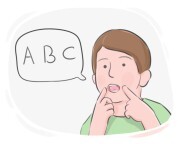
to pronounce or utter something in a clear and precise way
phát âm rõ ràng, nói rõ ràng
Phát thanh viên được đào tạo để phát âm rõ ràng các bản tin với độ chính xác và chính xác.
(grammar) expressing or indicating a positive statement or response
khẳng định, tích cực
Câu trả lời của học sinh về mặt ngữ pháp là khẳng định.
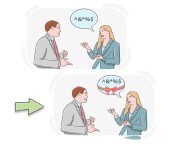
a word or expression that is used instead of a harsh or insulting one in order to be more tactful and polite
uể oải, cách nói giảm nói tránh
Cụm từ 'passed away' là một uể oải thông thường cho 'died', được sử dụng để làm dịu đi thực tế khắc nghiệt của cái chết.
a form of humor in which the words that someone says mean the opposite, producing an emphatic effect
sự mỉa mai
Bài phát biểu của anh ấy đầy sự mỉa mai, chế giễu cái gọi là 'thành công' của công ty.
a logically contradictory statement that might actually be true
nghịch lý, mâu thuẫn logic
Đó là một nghịch lý khi đứng mệt mỏi hơn đi bộ, mặc dù đi bộ đòi hỏi nhiều chuyển động hơn.
a technique used in speech and writing to exaggerate the extent of something
phóng đại, cường điệu
Tiết mục của diễn viên hài đầy phóng đại, phóng đại những tình huống hàng ngày đến mức phi lý để tạo hiệu ứng hài hước.
a clever or amusing use of words that takes advantage of the multiple meanings or interpretations that it has
chơi chữ, lối nói chơi chữ
« Tôi từng là thợ làm bánh, nhưng không kiếm đủ bột », là một trò chơi chữ kinh điển.
connected with the art of writing or speaking in an effective or persuasive way
tu từ, hùng biện
Quảng cáo đã sử dụng những câu hỏi tu từ để thu hút người xem và khiến họ suy nghĩ.
humor, irony, ridicule, or sarcasm used to expose or criticize the faults and shortcomings of a person, government, etc.
châm biếm, chế giễu
Tác phẩm châm biếm của họa sĩ truyện tranh về các nhà lãnh đạo chính trị đã gây ra cuộc tranh luận công khai.
the redundant repetition of an idea using different words in a sentence or phrase
thừa từ, lặp thừa
Trong ngôn ngữ học, phép lặp thừa là sự lặp lại dư thừa của một ý tưởng, khi cùng một khái niệm được diễn đạt nhiều lần bằng những từ ngữ khác nhau.
(linguistics) the speech pattern that an individual uses at a particular period of life
idiolect, cách nói cá nhân
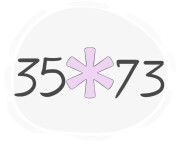
the symbol * used in writing or printing to show that there is more information about something in the footnote or as an indication of importance or omission
dấu sao, dấu hoa thị
to use punctuation marks in a text in order to make it more understandable
chấm câu
Để tránh những câu dài dòng, bạn nên chấm câu bằng dấu chấm, dấu phẩy và dấu chấm phẩy khi cần thiết.
the smallest unit of sound in a language that can distinguish meaning, often represented by a specific symbol in phonetic notation
âm vị, đơn vị âm thanh
Âm vị là những đơn vị trừu tượng được thể hiện như các biến thể âm vị khác nhau trong các ngữ cảnh ngữ âm khác nhau.
(linguistics) a branch of linguistics that deals with meaning, reference, or truth
ngữ nghĩa học
Phân tích ngữ nghĩa của một câu có thể tiết lộ ý định và hàm ý cơ bản của người nói.
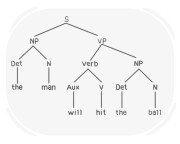
(linguistics) the way in which words and phrases are arranged to form grammatical sentences in a language
cú pháp, cấu trúc ngữ pháp
Các nhà ngôn ngữ học nghiên cứu cú pháp để khám phá các nguyên tắc cơ bản quyết định cách các ngôn ngữ khác nhau hình thành câu.
(grammar) a group of verb forms that indicate if the action or state is conceived as a statement, question, command or in another way
thức, phương thức
(linguistics) all the words and phrases of a language, including the function words
từ vựng, vốn từ
the complete set of meaningful units in a language or a branch of knowledge, or words or phrases that a speaker uses
từ vựng, vốn từ
Một từ vựng chuyên ngành là điều cần thiết trong các lĩnh vực kỹ thuật như y học hoặc luật, nơi mà thuật ngữ chính xác là rất quan trọng.
(grammar) one of two or more words with the same pronunciation that differ in meaning, spelling or origin
từ đồng âm, homophone
Nhầm lẫn các từ đồng âm như "bare" và "bear" có thể dẫn đến những hiểu lầm thú vị trong cuộc trò chuyện.
each of two or more words with the same spelling or pronunciation that vary in meaning and origin
từ đồng âm, từ đồng tự
Từ đồng âm là một thuật ngữ có thể có nghĩa là cả một tổ chức tài chính và bờ sông.
