
TOEFL के लिए उन्नत शब्दावली - भाषा और व्याकरण
यहां आप TOEFL परीक्षा के लिए आवश्यक भाषा और व्याकरण के बारे में कुछ अंग्रेजी शब्द सीखेंगे, जैसे "व्युत्पत्ति", "लिंग", "संकेत", आदि।
समीक्षा करें
फ्लैशकार्ड्स
वर्तनी
प्रश्नोत्तरी


the study of the origins and historical developments of words and their meanings

शब्द-व्युत्पत्ति
व्युत्पत्तिशास्त्र सांस्कृतिक आदान-प्रदान और भाषा पर ऐतिहासिक प्रभावों पर प्रकाश डालता है।
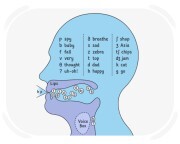
the science and study of speech sounds and their production
ध्वनि विज्ञान

the study of the evolution and structure of language in general or of certain languages
भाषाविज्ञान, भाषा का विज्ञान
(in the grammar of some languages) a group of nouns, pronouns, or adjectives changing in the same way to indicate case, number, and gender
विभक्ति, नाम का रूपांतरण
पुरानी अंग्रेज़ी भाषा में विभक्ति की एक जटिल प्रणाली थी, जिसमें संज्ञाओं के लिए अलग-अलग रूप होते थे जो केस, संख्या और लिंग पर निर्भर करते थे।
(grammar) to show how a verb changes depending on number, person, tense, etc.
क्रिया का रूप बदलना
स्पेनिश कक्षा में, हमने वर्तमान काल में नियमित क्रियाओं को कैसे संयोजित करना है सीखा।
a grammatical category that groups words as masculine, feminine, neuter, or another class
लिंग, व्याकरणिक लिंग
(grammar) related to verbs that express wishes, possibility, or doubt
संभावनासूचक, संभावनासूचक का
स्पेनिश संभावनासूचक मूड विशिष्ट क्रिया संयुग्मनों द्वारा विशेषित है और अनिश्चितता या संदेह व्यक्त करने के लिए प्रयोग किया जाता है, जैसे 'Espero que él vaya a la fiesta' (मुझे आशा है कि वह पार्टी में जाएगा)।

(grammar) a letter or a set of letters that are added to the beginning of a word to alter its meaning and make a new word
उपसर्ग
शब्दकोश ने शब्द निर्माण और समझ में मदद करने के लिए उपसर्गों और उनके अर्थों की एक सूची प्रदान की।

(grammar) a letter or a set of letters that are added to the end of a word to alter its meaning and make a new word
प्रत्यय, अंतिमांश
छात्रों ने यह देखने के लिए कि उनके अर्थ कैसे बदल गए, मूल शब्दों में विभिन्न प्रत्यय जोड़ने का अभ्यास किया।
(grammar) connected with or functioning as an adjective
विशेषणात्मक, विशेषण
एक विशेषणात्मक संशोधक एक शब्द या शब्दों का समूह हो सकता है।
connected with or functioning as an adverb
क्रियाविशेषण संबंधी, क्रियाविशेषण के रूप में कार्य करने वाला
words, phrases, and expressions used by a specific group or profession, which are incomprehensible to others
शब्दजाल, पेशेवर भाषा
वित्तीय शब्दजाल, जैसे 'बुल मार्केट', 'लिक्विडिटी' और 'डिविडेंड्स', निवेशकों और वित्तीय विश्लेषकों द्वारा अक्सर उपयोग किया जाता है।
the use of words that convey the opposite meaning as a way to annoy someone or for creating a humorous effect
व्यंग्य, कटाक्ष
छात्र के गृहकार्य को लेकर शिक्षक का व्यंग्य केवल स्थिति को और अधिक अजीब बना दिया।
a statement that implies or indirectly mentions something or someone else, especially as a literary device
संकेत, इशारा
फिल्म क्लासिक फिल्मों के संकेतों से भरी हुई थी, सिनेमा प्रेमियों के आनंद लेने के लिए संदर्भों की एक समृद्ध टेपेस्ट्री बनाती है।
a comparison between two different things, done to explain the similarities between them
सादृश्य
the use of the same letter or sound at the beginning of the words in a verse or sentence, used as a literary device
अनुप्रास
लेखक अपने लेखन के मूड और टोन को बढ़ाने के लिए अनुप्रास का उपयोग करते हैं।
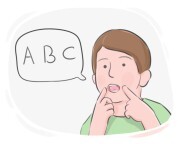
to pronounce or utter something in a clear and precise way
स्पष्ट उच्चारण करना, साफ़-साफ़ बोलना
(grammar) expressing or indicating a positive statement or response
सकारात्मक, अनुमोदनात्मक
अंग्रेजी में, सकारात्मक क्रियाएँ नकारने के बजाय पुष्टि करती हैं।
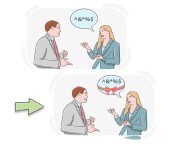
a word or expression that is used instead of a harsh or insulting one in order to be more tactful and polite
प्रेयोक्ति, मृदु भाषा
कंपनियां अक्सर 'छंटनी' के बजाय 'डाउनसाइज़िंग' शब्दावली का उपयोग करती हैं ताकि अपने कर्मचारियों की संख्या कम करने की प्रक्रिया का वर्णन किया जा सके।
a form of humor in which the words that someone says mean the opposite, producing an emphatic effect
व्यंग्य
a logically contradictory statement that might actually be true
विरोधाभास, तार्किक विरोधाभास
"कम ज्यादा है" की अवधारणा मिनिमलिस्ट डिजाइन में एक आम विरोधाभास है।
a technique used in speech and writing to exaggerate the extent of something
अतिशयोक्ति,अत्युक्ति
विज्ञापन में, उत्पाद को अतिशयोक्ति के साथ वर्णित किया गया था, यह दावा करते हुए कि यह सिर्फ एक बार उपयोग से "आपके जीवन को बदल सकता है"।
a clever or amusing use of words that takes advantage of the multiple meanings or interpretations that it has
श्लेष, वाक्यविनोद
उसे शब्दों का खेल बनाना पसंद है और वह हमेशा उन्हें बातचीत में शामिल करने का तरीका ढूंढ लेता है।
connected with the art of writing or speaking in an effective or persuasive way
अलंकारिक, वाक्पटु
अपने निबंध में, उसने अपने मुख्य तर्क पर जोर देने के लिए अलंकारिक चमत्कार का उपयोग किया।
humor, irony, ridicule, or sarcasm used to expose or criticize the faults and shortcomings of a person, government, etc.
व्यंग्य, उपहास
नाटक ने आधुनिक उपभोक्ता संस्कृति की उथलापन की आलोचना करने के लिए व्यंग्य का इस्तेमाल किया।
the redundant repetition of an idea using different words in a sentence or phrase
पुनरुक्ति, अतिशयोक्ति
पुनरुक्ति का एक उदाहरण वाक्यांश "मुफ्त उपहार" है, जहां शब्द "उपहार" स्वाभाविक रूप से यह दर्शाता है कि यह मुफ्त है।
(linguistics) the speech pattern that an individual uses at a particular period of life
व्यक्तिगत बोली, व्यक्तिगत भाषण पैटर्न
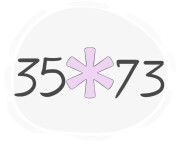
the symbol * used in writing or printing to show that there is more information about something in the footnote or as an indication of importance or omission
तारांकन, स्टार चिह्न
to use punctuation marks in a text in order to make it more understandable
विराम चिह्न लगाना
उसे एहसास हुआ कि उसे अपने ईमेल को और सावधानी से विराम चिह्नित करने की आवश्यकता है यह जानने के बाद कि इसे पढ़ना मुश्किल था।
the smallest unit of sound in a language that can distinguish meaning, often represented by a specific symbol in phonetic notation
ध्वन्यात्मक, ध्वनि इकाई
ध्वन्यात्मक इकाई की पहचान करना किसी भाषा की ध्वनि प्रणाली और उसके स्वरविज्ञान नियमों को समझने के लिए महत्वपूर्ण है।
(linguistics) a branch of linguistics that deals with meaning, reference, or truth
अर्थविज्ञान
शब्दार्थ प्राकृतिक भाषा प्रसंस्करण में एक महत्वपूर्ण भूमिका निभाता है, जिससे कंप्यूटर मानव भाषा को सही ढंग से समझ और उत्पन्न कर सकते हैं।
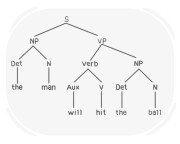
(linguistics) the way in which words and phrases are arranged to form grammatical sentences in a language
वाक्यविन्यास, व्याकरणिक संरचना
अंग्रेजी का वाक्यविन्यास आमतौर पर कर्ता-क्रिया-कर्म क्रम का पालन करता है, लेकिन यह संरचना विभिन्न भाषाओं में काफी भिन्न हो सकती है।
(grammar) a group of verb forms that indicate if the action or state is conceived as a statement, question, command or in another way
विधि, प्रकार
(linguistics) all the words and phrases of a language, including the function words
शब्दावली, शब्द भंडार
the complete set of meaningful units in a language or a branch of knowledge, or words or phrases that a speaker uses
शब्दकोश, शब्दावली
स्लैंग और बोलचाल के भावों का शब्दकोश समाज और संस्कृति में परिवर्तन को दर्शाने के लिए निरंतर विकसित होता है।
(grammar) one of two or more words with the same pronunciation that differ in meaning, spelling or origin
समध्वनि, होमोफोन
"Seas" और "sees" समध्वनि हैं, हालांकि वे अलग-अलग चीजों को संदर्भित करते हैं।
each of two or more words with the same spelling or pronunciation that vary in meaning and origin
समानार्थक, समध्वनिक
समनाम और 'लीड' एक ही समनाम हैं, लेकिन एक नरम धातु को संदर्भित करता है, और दूसरा मार्गदर्शन या निर्देशन करने का अर्थ है।
