
Tiempo - Tiempo
Descubre cómo los modismos en inglés como "punto de inflexión" y "seguir su curso" se relacionan con el tiempo en inglés.
Revisión
Tarjetas de memoria
Cuestionario

a day that will always be remembered by an exceptionally good thing that has happened on it

cómo están las cosas, estado actual
Es importante saber cómo están las cosas antes de negociar el trato.
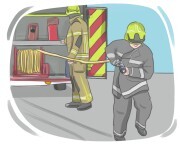
the specific moment when an event or action is scheduled to begin or take place
la hora de arrancar, el momento de empezar
A medida que se acercaba el momento de empezar, la sala de control quedó en silencio.
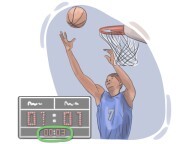
the time in which a critical event or action happens
la hora de la verdad, el momento decisivo
El prototipo funcionó en el laboratorio, pero la prueba sobre el terreno sería la hora de la verdad.
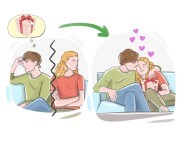
a point at which a drastic change occurs in a situation, especially one that makes it improve
punto de inflexión, momento decisivo
Su recuperación empezó con un pequeño punto de inflexión: por fin pidió ayuda.
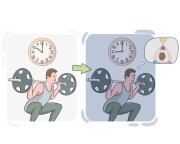
used for referring to the time after something has happened or been done
después de algo, una vez superado algo
Hablaremos de los planes a largo plazo después del lanzamiento.
![to [come|follow] (hot|close|hard) on the heels of {sth}](https://cdn.langeek.co/photo/44112/thumb/350?type=jpeg "to [come|follow] (hot|close|hard) on the heels of {sth}")
to happen very closely after something else has happened
venir justo después de algo, seguir de cerca a algo
La segunda tormenta llegó justo después de la primera.
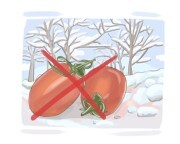
during the time of year that a type of food, vegetable, or fruit is not naturally grown or easily found
fuera de temporada, no de temporada
Los tomates fuera de temporada saben aguados.
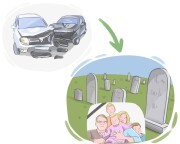
a day of great misfortune and unhappiness
día aciago, día negro
El equipo lo llamó un día aciago tras perder la final en el último minuto.
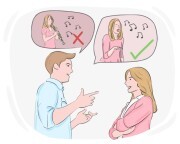
used when something happens almost at the same time as another
en el mismo suspiro, acto seguido
El ministro prometió recortes y, en el mismo suspiro, anunció nuevo gasto.
![to [lose] track of time](https://cdn.langeek.co/photo/44124/thumb/350?type=jpeg "to [lose] track of time")
to have no idea how much time has passed or what has happened
perder la noción del tiempo, no darse cuenta de la hora
Siempre que empieza a pintar, pierde la noción del tiempo.
![to [have] time on {one's} hands](https://cdn.langeek.co/photo/44116/thumb/350?type=jpeg "to [have] time on {one's} hands")
to not be busy with anything
tener tiempo libre, no tener nada que hacer
Si tienes tiempo libre este fin de semana, ven a ayudarnos a pintar la cocina.
![to [run|take] its course](https://cdn.langeek.co/photo/44128/thumb/350?type=jpeg "to [run|take] its course")
to go through a process in a way that is natural, normal, or expected
seguir su curso, desarrollarse de forma natural
Su discusión tenía que seguir su curso antes de que alguno de los dos escuchara.
![to [be] early days (yet|)](https://cdn.langeek.co/photo/44108/thumb/350?type=jpeg "to [be] early days (yet|)")
to be too soon to determine what something will result in, particularly because it is still in its early stages of development
aún es pronto para saberlo, todavía está en una fase muy inicial
Aún es pronto para prever si la nueva política funcionará.
