pattern

B2レベルの単語リスト - 政治

ここでは、B2レベルの学習者向けに準備された「連邦の」、「革命的な」、「議会」などの政治に関するいくつかの英語の単語を学びます。

レビュー

フラッシュカード

語形

綴り

クイズ

学習を開始
CEFR B2 Vocabulary
domestic
domestic
[形容詞]

relating to activities, issues, or affairs within a particular country

国内の, 国家の

国内の, 国家の

Ex: Domestic policy decisions affect the lives of citizens within a country. 
federal
federal
[形容詞]

relating to the central government of a country rather than the local or regional governments

連邦の, 中央の

連邦の, 中央の

Ex: Federal laws apply uniformly across the entire country. 
independent
independent
[形容詞]

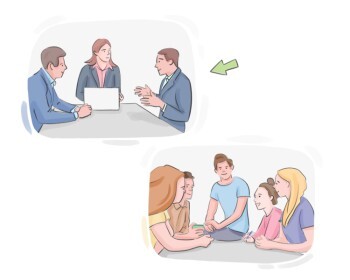
(of a country, state, etc.) function without being controlled or influenced by others

独立した
独立した

Ex: After years of struggle, the nation finally became independent from colonial rule. 
official
official
[形容詞]

holding a position of authority or responsibility within an organization or government

公式の, 公的な

公式の, 公的な

Ex: The official spokesperson for the company addressed the media regarding the incident. 
presidential
presidential
[形容詞]

associated with the role or actions of a president, such as decisions, behaviors, or policies

大統領の, 大統領職に関連する

大統領の, 大統領職に関連する

Ex: The presidential address outlined the government's priorities for the upcoming year. 
revolution
revolution
[名詞]

the fundamental change of power, government, etc. in a country by people, particularly involving violence

革命

革命

Ex: The revolution led to the overthrow of the monarchy and the establishment of a republic. 
revolutionary
revolutionary
[形容詞]

involved in or characteristic of a revolution

革命的な

革命的な

Ex: The revolutionary leader mobilized the masses against the oppressive regime. 
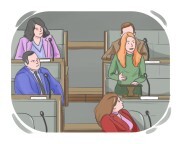
congress
congress
[名詞]

a formal meeting of representatives from various regions within a country to discuss and make decisions on national issues

議会,  集会

議会, 集会

Ex: The congress debated the proposed amendments to the constitution late into the night. 
conservative
conservative
[名詞]

a person who aligns with or supports the principles and policies traditionally associated with conservative political ideologies

保守派, 伝統主義者

保守派, 伝統主義者

Ex: The conservative candidate won the election by a narrow margin. 
Conservative Party

a major political party in the UK favoring traditional values, economic liberalism, and gradual change rather than radical reform

保守党

保守党

Ex: The Conservative Party believes in preserving traditional values and institutions like the monarchy. 
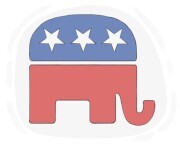
Republican Party

the youngest political party in the US which has conservative beliefs and is against the high power of central government

共和党, アメリカ共和党

共和党, アメリカ共和党

Ex: Many members of the Republican Party oppose expansive government programs and advocate for individual liberties. 
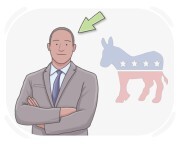
democrat
democrat
[名詞]

someone who supports social equality, healthcare reform, environmental protection, and a more active role for government in addressing social issues

民主党員, 社会民主主義の支持者

民主党員, 社会民主主義の支持者

Ex: As a Democrat, she believes in expanding access to healthcare for all citizens through government programs. 
Democratic Party

the oldest political party in the US which believes in social equality by helping the poor in different ways, etc.

民主党, 民主黨

民主党, 民主黨

Ex: The Democratic Party nominated Joe Biden as its presidential candidate for the 2020 election. 
labor party
labor party
[名詞]

a British political party which favors the welfare of workers and the poor

労働党, 労働者党

労働党, 労働者党

Ex: The Labor Party introduced policies aimed at improving healthcare and education for all. 
to back
to back
[動詞]

to support someone or something

支持する, 後押しする

支持する, 後押しする

Ex: The team decided to back their captain's decision during the crucial match. 
to debate
to debate
[動詞]

to formally discuss a matter, usually in a structured setting

討論する, 議論する

討論する, 議論する

Ex: The candidates took the stage to debate their views on important issues in front of a live audience 
to govern
to govern
[動詞]

to officially have the control and authority to rule over a country and manage its affairs

統治する, 管理する

統治する, 管理する

Ex: Elected leaders govern the nation, making decisions for the welfare of its citizens. 
government
government
[名詞]

a special way or system of controlling a country, state, etc.

政府

政府

Ex: In a democratic government, leaders are elected by the people through free and fair elections. 
democracy
democracy
[名詞]

a belief or ideology that supports governance by the people, emphasizing equal participation in the political process

民主主義, 人民の政府

民主主義, 人民の政府

Ex: She strongly believes in democracy and advocates for government by the people. 
dictatorship
dictatorship
[名詞]

a form of government where power is concentrated in the hands of a single individual or a small group, often with absolute authority, without the consent of the people

独裁, 独裁政権

独裁, 独裁政権

Ex: Under the dictatorship, citizens had no freedom of speech or assembly. 
kingdom
kingdom
[名詞]

a nation or state that its ruler is a king or queen

王国, 君主制

王国, 君主制

Ex: The ancient kingdom was known for its powerful armies and vast territories. 
monarchy
monarchy
[名詞]

a system of government or a country or state that is ruled by a king or queen

君主制, 王国

君主制, 王国

Ex: The monarchy has existed in the country for centuries, with the king serving as the head of state. 
independence
independence
[名詞]

the state of being free from the control of others

独立, 自治

独立, 自治

Ex: The country gained its independence after years of colonial rule. 
human right
human right
[名詞]

one of a series of rights that every human being must have

人権

人権

Ex: Freedom of speech and expression is a fundamental human right that allows individuals to voice their opinions without fear of censorship or retaliation. 
nation
nation
[名詞]

a country considered as a group of people that share the same history, language, etc., and are ruled by the same government

国家, 国民
国家, 国民

Ex: France is a nation known for its art, cuisine, and strong sense of national identity. 
to plot
to plot
[動詞]

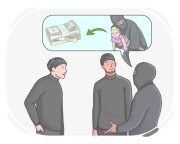
to secretly make a plan to harm someone or do something illegal

陰謀を企てる, 画策する

陰謀を企てる, 画策する

Ex: The group of conspirators plotted to sabotage the competitor's business by spreading false rumors. 
state
state
[名詞]

a country under the control of one government

国家, 国

国家, 国

Ex: The United States is a powerful state with significant influence in global politics and economics. 
majority
majority
[名詞]

the greater number of votes by which a candidate or party wins an election

過半数

過半数

Ex: The candidate won by a majority of 10,000 votes. 
minister
minister
[名詞]

the person who is the head of a specific department within the government, responsible for managing policies, operations, and administration related to that department

大臣

大臣

Ex: As head of the Department of Finance, the minister oversees the country's economic policies and fiscal management. 
secretary
secretary
[名詞]

the person who is the head of a US government department

長官, 大臣

長官, 大臣

Ex: The Secretary of State plays a crucial role in shaping U.S. foreign policy. 
spokesperson
spokesperson
[名詞]

a person who speaks formally for an organization, government, etc.

スポークスパーソン, 代表者

スポークスパーソン, 代表者

Ex: The spokesperson for the company issued a statement addressing the recent controversy. 
negotiation
negotiation
[名詞]

formal discussion intended to reach an agreement

交渉, 協議

交渉, 協議

Ex: The negotiation between the two countries resulted in a historic peace treaty. 
opposition
opposition
[名詞]

the main political party opposed to the government

野党

野党

Ex: The opposition criticized the government's handling of the economic crisis. 
policy
policy
[名詞]

a set of ideas or a plan of action that has been chosen officially by a group of people, an organization, a political party, etc.

政策

政策

Ex: The government introduced a new fiscal policy to stimulate economic growth. 
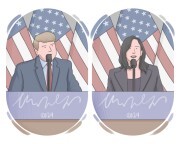
presidency
presidency
[名詞]

the period of time during which a president is in power

大統領職, 大統領の任期
大統領職, 大統領の任期

Ex: His presidency was marked by significant economic reforms and social policies. 
to run for
to run for
[動詞]

to participate in an election as a candidate

立候補する, 走る

立候補する, 走る

Ex: She decided to run for mayor in the upcoming election. 
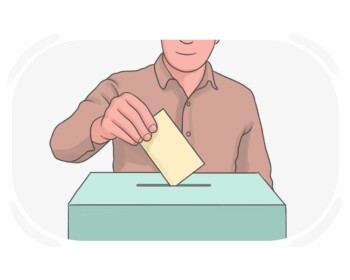
seat
seat
[名詞]

the position of a member in a committee, parliament, etc.

席, 議席
席, 議席

Ex: She won a seat in parliament in the last election, representing her local constituency. 
voting
voting
[名詞]

the process or action of choosing someone during an election

投票

投票

Ex: Voting is a fundamental right in a democracy, allowing citizens to choose their leaders. 
territory
territory
[名詞]

a geographic area belonging to or ruled by a government or authority

領土, 地域

領土, 地域

Ex: The disputed territory has been a source of conflict between the two neighboring countries for decades. 
to negotiate
to negotiate
[動詞]

to discuss the terms of an agreement or try to reach one

交渉する, 協議する

交渉する, 協議する

Ex: The diplomats spent days negotiating the terms of the peace treaty between the two countries. 
conspiracy
conspiracy
[名詞]

a secret plan by a group to commit an unlawful, harmful, or treacherous act

陰謀, 共謀

陰謀, 共謀

Ex: The police uncovered a conspiracy to overthrow the government. 
crackdown
crackdown
[名詞]

a severe and often sudden enforcement of law or regulations, typically to suppress or control specific activities, behaviors, or groups perceived as problematic or threatening

取り締まり, 強硬策

取り締まり, 強硬策

Ex: The government launched a crackdown on illegal immigration, leading to widespread arrests and deportations. 
repression
repression
[名詞]

the action of controlling people by means of force or violence

抑圧, 弾圧

抑圧, 弾圧

Ex: The government's repression of the protests led to widespread condemnation from the international community. 
prime minister

the head of government in parliamentary democracies, who is responsible for leading the government and making important decisions on policies and law-making

首相, 政府の長

首相, 政府の長

Ex: The Prime Minister addressed the nation to announce new economic measures aimed at boosting employment. 
Department of Homeland Security

a US federal agency responsible for protecting the country from various threats, including terrorism, border security, immigration, and cybersecurity

Ex: The Department of Homeland Security oversees efforts to secure borders and prevent illegal immigration into the United States. 
to [lead] astray

to cause someone to make a poor decision by providing them with incorrect guidance or misleading information

Ex: The cult leader led his followers astray. 
Senate
Senate
[名詞]

the upper chamber of the United States Congress, responsible for lawmaking, oversight, and approval of appointments

上院, 元老院

上院, 元老院

Ex: The Senate confirmed the new Supreme Court justice. 
LanGeek
LanGeekアプリをダウンロード