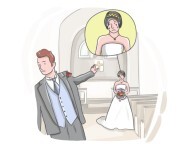
pattern

相互作用 - 虐待と不正行為

虐待や不正行為に関連する英語の慣用句を探る。"裏のある褒め言葉"や"規則をいい加減に扱う"などが含まれます。

レビュー

フラッシュカード

クイズ

学習を開始
English idioms related to Interactions
to [play] fast and loose with {sb/sth}

to act toward a person or thing without enough care, seriousness, or sense of responsibility

いい加減に扱う, 軽く見る

いい加減に扱う, 軽く見る

Ex: You can't play fast and loose with people's trust and then expect them to forgive you. 

人の信頼をいい加減に扱っておいて、許してもらえると思うのは無理だ。

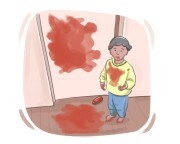
to [play] Old Harry with {sth}

to make problems for something or have a negative effect on it

めちゃくちゃにする, 大混乱を招く

めちゃくちゃにする, 大混乱を招く

Ex: The heavy rain played Old Harry with our travel plans. 

大雨で旅行の計画がすっかりめちゃくちゃになった。

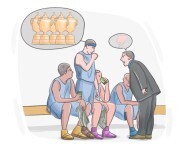
to [sell] {sb/sth} short

to not value a person or thing as one should

過小評価する, 正当に評価しない

過小評価する, 正当に評価しない

Ex: Don't sell yourself short; you're more qualified than most people applying for that job. 

自分を過小評価しないで。その仕事に応募している人の多くより、あなたのほうがずっと適任だよ。
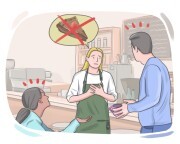
to [shoot|kill|blame] the messenger

to put the blame on the person who brings bad news and assume they are responsible for it

悪い知らせを持ってきた人を責める, 知らせてくれた相手に八つ当たりする

悪い知らせを持ってきた人を責める, 知らせてくれた相手に八つ当たりする

Ex: Don't shoot the messenger; I'm only telling you what the client said. 

私を責めないで。クライアントが言ったことを伝えているだけだよ。

to [treat] {sb} like (a piece of|) (dirt|trash)

to not care about someone at all or have absolutely no respect for them

人として扱わない, ひどい扱いをする

人として扱わない, ひどい扱いをする

Ex: He treated her like dirt for years, and she finally left. 

彼は何年も彼女を人として扱わず、彼女はついに出ていった。

to [walk] all over {sb}

to treat a person poorly by taking advantage of them or ignoring their needs and feelings

人をいいように利用する, 人の優しさにつけ込む

人をいいように利用する, 人の優しさにつけ込む

Ex: If you never say no, people will walk all over you. 

一度も断らないでいると、みんなにいいように利用されるよ。

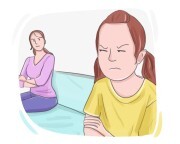
to [look] daggers at {sb}

to look at a person in a way that shows one hates them or is very angry with them

にらみつける, 憎々しげににらむ

にらみつける, 憎々しげににらむ

Ex: She looked daggers at him when he interrupted her again. 

彼がまた彼女の話を遮ると、彼女は彼をにらみつけた。

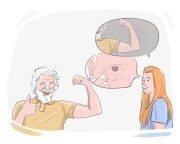
backhanded compliment

a comment that seemingly praises someone but is actually intended to insult them

皮肉まじりの褒め言葉, 褒めているようで嫌味

皮肉まじりの褒め言葉, 褒めているようで嫌味

Ex: Saying I look good for my age is such a backhanded compliment. 

年のわりに見た目がいいと言うのは、皮肉まじりの褒め言葉だ。

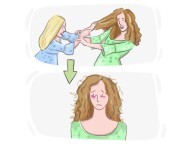
to [do] a number on {sb/sth}

to seriously affect or harm someone or something, usually resulting in negative consequences

かなりこたえる, ひどく痛めつける

かなりこたえる, ひどく痛めつける

Ex: The flu really did a number on him; he was in bed for two weeks. 

インフルエンザは彼にかなりこたえて、二週間も寝込んだ。

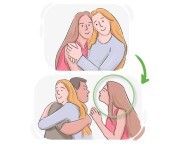
to [do] {sb} (dirty|dirt)

to betray someone or cause them harm on purpose, especially when they do not expect it

裏切る, ひどい裏切りをする

裏切る, ひどい裏切りをする

Ex: I can't believe he did me dirty after everything I did for him. 

あれだけ彼のためにしてあげたのに、裏切られたなんて信じられない。

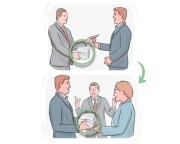
to [throw] it over the wall

to pass a responsibility, task, or problem to someone else without addressing or resolving it oneself

丸投げする, 責任を押しつける

丸投げする, 責任を押しつける

Ex: Don't just throw it over the wall to support; fix the bug before you hand it off. 

サポートに丸投げしないで、引き渡す前にバグを直して。

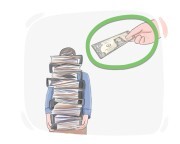
to [throw] {sb} a bone

to stop someone from complaining or protesting by offering them something that is not of very high value or importance

少しだけ譲る, 少し与えてなだめる

少しだけ譲る, 少し与えてなだめる

Ex: The company threw workers a bone with a tiny bonus after months of complaints. 

何か月も不満が出たあと、会社は少額のボーナスでお茶を濁した。

to [send] {sb} packing

to tell a person to leave immediately in a forceful manner

追い返す, 追い払う

追い返す, 追い払う

Ex: When he started insulting the staff, the manager sent him packing. 

彼がスタッフを侮辱し始めると、店長は彼を追い出した。

to [be] out on {one's} ear

to be dismissed or expelled from a place, job, or position

即刻追い出される, クビになる

即刻追い出される, クビになる

Ex: If he shows up drunk again, he'll be out on his ear. 

また酔っぱらって来たら、即刻追い出されるよ。

to [leave] {sb} in the lurch

to refuse to help someone when they need it the most

困ったときに見捨てる, 肝心な時に置き去りにする

困ったときに見捨てる, 肝心な時に置き去りにする

Ex: He promised to help me move, then left me in the lurch on the day itself. 

引っ越しを手伝うと約束していたのに、当日になって彼は私を見捨てた。

witch hunt
witch hunt
[名詞]

an unfair search for someone to blame

魔女狩り

魔女狩り

Ex: The investigation felt like a witch hunt. 
to [talk] behind {one's} back

to say negative things about someone when they are not present

Ex: She was hurt when she learned they had talked behind her back. 
to [knock|throw] {sb} off balance

to make someone feel uncertain, upset, or unsteady

Ex: His sudden change in tone threw me off balance. 
to [leave] {sb} hanging

to fail to support or help someone who is depending on you
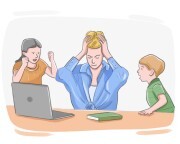
Ex: Don't leave me hanging when the guests arrive. 
to [give] {sb} a (hard|tough|rough) time

to tease, criticize, or treat someone harshly
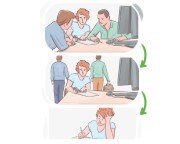
Ex: His brothers gave him a hard time about his new haircut. 
to [leave] {sb} holding the bag

to be left in a difficult or embarrassing situation, often without any support or assistance

後始末を押しつける, 厄介ごとを押しつける

後始末を押しつける, 厄介ごとを押しつける

Ex: The manager quit suddenly and left us holding the bag. 

マネージャーが突然辞めて、後始末を私たちに押しつけた。

to [leave] {sb} out in the cold

to exclude or neglect someone, often intentionally, from a group or activity

仲間外れにする, 蚊帳の外に置く

仲間外れにする, 蚊帳の外に置く

Ex: They planned the whole trip and left me out in the cold. 

彼らは旅行全体を計画して、私を仲間外れにした。

LanGeek
LanGeekアプリをダウンロード