pattern

Tương tác - Ngược đãi & Hành vi sai trái

Khám phá các thành ngữ tiếng Anh liên quan đến ngược đãi và hành vi sai trái, bao gồm "lời khen mỉa mai" và "chơi xỏ".

review-disable

Xem lại

flashcard-disable

Thẻ ghi nhớ

quiz-disable

Đố vui

Bắt đầu học
English idioms related to Interactions
to [play] fast and loose with {sb/sth}

to act toward a person or thing without enough care, seriousness, or sense of responsibility

Ex: The con artist played fast and loose with the elderly couple's savings, convincing them to invest in a fraudulent scheme.
to [play] Old Harry with {sth}

to make problems for something or have a negative effect on it

Ex: The chef's inexperience in the kitchen resulted in playing Old Harry with the delicate soufflé recipe, leaving it in ruins.
to [sell] {sb/sth} short

to not value a person or thing as one should

Ex: Sarah's modesty often leads her to sell her artistic talent short, not realizing how exceptional her work truly is.
to [shoot|kill|blame] the messenger

to put the blame on the person who brings bad news and assume they are responsible for it

Ex: John had to blame the messenger and tell his friend that the party was canceled due to unforeseen circumstances beyond their control.
to [treat] {sb} like (a piece of|) (dirt|trash)

to not care about someone at all or have absolutely no respect for them

Ex: After years of loyal service, the company treated its long-time employees like pieces of trash by suddenly laying them off without notice.
to [walk] all over {sb}

to treat a person poorly by taking advantage of them or ignoring their needs and feelings

Ex: The school bully had a reputation for walking all over other students, intimidating them into submission.
to [look] daggers at {sb}

to look at a person in a way that shows one hates them or is very angry with them

Ex: When the mischievous child spilled juice all over the freshly cleaned floor, the parent looked daggers at them, conveying both frustration and disappointment.
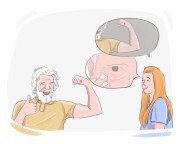
backhanded compliment

a comment that seemingly praises someone but is actually intended to insult them

Ex: Her backhanded compliment about his new hairstyle left him wondering whether she actually liked it or not.
to [do] a number on {sb/sth}

to seriously affect or harm someone or something, usually resulting in negative consequences

Ex: Years of neglect had done a number on the historic building, leaving it in a state of disrepair.
to [do] {sb} (dirty|dirt)

to betray someone or cause them harm on purpose, especially when they do not expect it

Ex: They did their competitors dirt by spreading false information about their products to gain an advantage in the market.
to [throw] it over the wall

to pass a responsibility, task, or problem to someone else without addressing or resolving it oneself

Ex: Rather than working together, some team members prefer to throw their problems over the wall and wash their hands of them.
to [throw] {sb} a bone

to stop someone from complaining or protesting by offering them something that is not of very high value or importance

Ex: To keep the team motivated, the coach would occasionally throw them a bone by organizing fun team-building activities.
to [send] {sb} packing

to tell a person to leave immediately in a forceful manner

Ex: The school principal had to send the troublemaking students packing after multiple warnings about their disruptive behavior in class.
to [be] out on {one's} ear

to be dismissed or expelled from a place, job, or position

Ex: She never imagined that a simple misunderstanding would lead to her being out on her ear.
to [leave] {sb} in the lurch

to refuse to help someone when they need it the most

Ex: After relying on his coworker to cover for him during his vacation, he felt betrayed when she called in sick, leaving him in the lurch at work.
to [leave] {sb} holding the bag

to be left in a difficult or embarrassing situation, often without any support or assistance

Ex: The politician tried to shift the blame onto his aides, leaving them holding the bag for the controversial decision.
to [leave] {sb} out in the cold

to exclude or neglect someone, often intentionally, from a group or activity

Ex: The company's sudden restructuring left many employees out in the cold, unsure about their roles and job security.
LanGeek
Tải ứng dụng LanGeek