
Interakcje - Złe traktowanie i wykroczenia
Poznaj angielskie idiomy związane z złym traktowaniem i niewłaściwym postępowaniem, w tym "dwuznaczny komplement" i "igrać z zasadami".
Przegląd
Fiszki
Test
![to [play] fast and loose with {sb/sth}](https://cdn.langeek.co/photo/44542/thumb/350?type=jpeg "to [play] fast and loose with {sb/sth}")
to act toward a person or thing without enough care, seriousness, or sense of responsibility

traktować coś lekkomyślnie, obchodzić się z czymś beztrosko
Nie obchodź się lekkomyślnie z budżetem; każdy wydatek musi być zatwierdzony.
![to [play] Old Harry with {sth}](https://cdn.langeek.co/photo/44550/thumb/350?type=jpeg "to [play] Old Harry with {sth}")
to make problems for something or have a negative effect on it
narobić w czymś bałaganu, wywrócić coś do góry nogami
Brak snu może mocno rozstroić twoją koncentrację.
![to [sell] {sb/sth} short](https://cdn.langeek.co/photo/44552/thumb/350?type=jpeg "to [sell] {sb/sth} short")
to not value a person or thing as one should
nie doceniać, nie docenić
Raport zaniża ryzyko i sprawia, że umowa wygląda na bezpieczniejszą, niż jest.
![to [shoot|kill|blame] the messenger](https://cdn.langeek.co/photo/44554/thumb/350?type=jpeg "to [shoot|kill|blame] the messenger")
to put the blame on the person who brings bad news and assume they are responsible for it
obwiniać posłańca, wyżyć się na tym, kto przynosi złe wieści
Wiem, że wyniki są złe, ale proszę, nie obwiniaj posłańca.
![to [treat] {sb} like (a piece of|) (dirt|trash)](https://cdn.langeek.co/photo/44560/thumb/350?type=jpeg "to [treat] {sb} like (a piece of|) (dirt|trash)")
to not care about someone at all or have absolutely no respect for them
traktować kogoś jak szmatę, poniżać kogoś
Odeszła z pracy, bo klienci ciągle ją poniżali.
![to [walk] all over {sb}](https://cdn.langeek.co/photo/44544/thumb/350?type=jpeg "to [walk] all over {sb}")
to treat a person poorly by taking advantage of them or ignoring their needs and feelings
wchodzić komuś na głowę, wykorzystywać czyjąś dobroć
Właściciel mieszkania wykorzystywał lokatorów, dopóki w końcu nie sięgnęli po pomoc prawną.
![to [look] daggers at {sb}](https://cdn.langeek.co/photo/44558/thumb/350?type=jpeg "to [look] daggers at {sb}")
to look at a person in a way that shows one hates them or is very angry with them
mierzyć kogoś wściekłym wzrokiem, rzucać komuś mordercze spojrzenia
Kiedy wspomniałem o rozbitym wazonie, brat zmierzył mnie wściekłym wzrokiem.
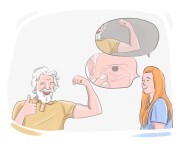
a comment that seemingly praises someone but is actually intended to insult them
komplement z przytykiem, pochwała z ukrytą złośliwością
Nie sądzę, że powiedziała to życzliwie; to był komplement z przytykiem.
![to [do] a number on {sb/sth}](https://cdn.langeek.co/photo/44548/thumb/350?type=jpeg "to [do] a number on {sb/sth}")
to seriously affect or harm someone or something, usually resulting in negative consequences
dać mocno w kość, mocno dać się we znaki
Burza mocno uszkodziła dach i teraz cieknie z każdej strony.
![to [do] {sb} (dirty|dirt)](https://cdn.langeek.co/photo/44598/thumb/350?type=jpeg "to [do] {sb} (dirty|dirt)")
to betray someone or cause them harm on purpose, especially when they do not expect it
zrobić komuś świństwo, wbić komuś nóż w plecy
Czuł, że własni koledzy z drużyny zrobili mu świństwo, wykluczając go z decyzji.
![to [throw] it over the wall](https://cdn.langeek.co/photo/44574/thumb/350?type=jpeg "to [throw] it over the wall")
to pass a responsibility, task, or problem to someone else without addressing or resolving it oneself
przerzucić sprawę na kogoś innego, zrzucić odpowiedzialność
Przerzucili bałagan w danych na analityków, nawet go wcześniej nie czyszcząc.
![to [throw] {sb} a bone](https://cdn.langeek.co/photo/41898/thumb/350?type=jpeg "to [throw] {sb} a bone")
to stop someone from complaining or protesting by offering them something that is not of very high value or importance
rzucić ochłap, dać coś na odczepnego
Kierownictwo rzuciło zespołowi ochłap, ale zignorowało prawdziwy problem.
![to [send] {sb} packing](https://cdn.langeek.co/photo/41608/thumb/350?type=jpeg "to [send] {sb} packing")
to tell a person to leave immediately in a forceful manner
odprawić kogoś z kwitkiem, pogonić kogoś
Przyszedł pijany na rozmowę, więc go odprawili.
![to [be] out on {one's} ear](/assets/img/no-pic-700w.png "to [be] out on {one's} ear")
to be dismissed or expelled from a place, job, or position
wylecieć na zbity pysk, zostać wyrzuconym
Jeszcze jeden zawalony termin i wylecisz.
![to [leave] {sb} in the lurch](https://cdn.langeek.co/photo/43196/thumb/350?type=jpeg "to [leave] {sb} in the lurch")
to refuse to help someone when they need it the most
zostawić kogoś na lodzie, opuścić kogoś w potrzebie
Ufałem im, ale gdy przyszło płacić rachunki, zostawili mnie na lodzie.
an unfair search for someone to blame
to say negative things about someone when they are not present
to make someone feel uncertain, upset, or unsteady
to fail to support or help someone who is depending on you
![to [give] {sb} a (hard|tough|rough) time](https://cdn.langeek.co/photo/42588/thumb/350?type=jpeg "to [give] {sb} a (hard|tough|rough) time")
to tease, criticize, or treat someone harshly
![to [leave] {sb} holding the bag](https://cdn.langeek.co/photo/44568/thumb/350?type=jpeg "to [leave] {sb} holding the bag")
to be left in a difficult or embarrassing situation, often without any support or assistance
zostawić z problemem, zwalić kłopot na kogoś
Gdy umowa upadła, juniorzy zostali z problemem.
![to [leave] {sb} out in the cold](https://cdn.langeek.co/photo/43672/thumb/350?type=jpeg "to [leave] {sb} out in the cold")
to exclude or neglect someone, often intentionally, from a group or activity
pominąć kogoś, odsunąć kogoś na bok
Nie zaproszono mnie do rozmowy, więc poczułem się pominięty.
