
行動とアプローチ - 驚きを示す
英語のイディオム「lo and behold」や「as I live and breathe」が、英語で驚きを表すこととどのように関連しているかを発見してください。
復習
フラッシュカード
クイズ
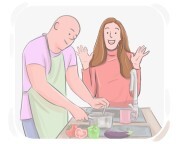
used to convey surprise or amazement when something unexpected or remarkable happens

驚きは尽きないね, まさかこんなことがあるとは
トムが珍しく早く来た。驚きは尽きないね。
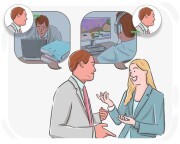
a way of saying that one does not believe something because it sounds too unbelievable or exaggerated
よくできた話だね, それを信じろって?
鳥が持って飛んでいったから宿題をなくしたって?よくできた話だね。

used to show one's surprise when meeting someone in a place one did not expect, or when one becomes aware of an unexpected relation between people
世間は狭いね, すごい偶然だね
君もサラを知っているの?世間は狭いね。

used to show one's surprise when seeing someone or something unexpected
これはこれは、誰かと思えば!, なんて驚きだ!
これはこれは、誰かと思えば!学校のデイヴィッドじゃない?
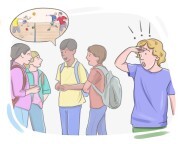
used to emphasize a statement, express determination, or mild astonishment
驚いたことに, 予想に反して
驚いたことに、その古いラジオはまだ動く。
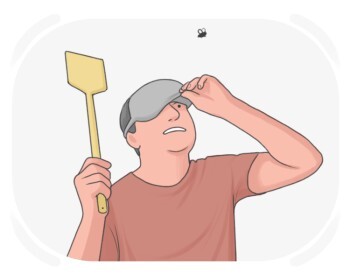
used to show that one is shocked, annoyed, or surprised
まったくもう, やれやれ
まったくもう、どうしてキッチンがこんなに散らかったの?
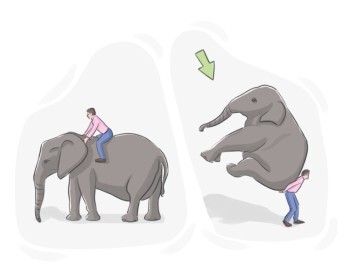
to display complete surprise or disbelief
これは驚いた, 信じられない
これは驚いた、トムが本当に机を片づけた。

used to show one's disbelief over something that was just said
ふざけるな, ばか言うな
病気だって?ふざけるな。1時間前にサッカーしているのを見たよ。

used to express one's disagreement or disbelief
ばか言うな, そんなの信じるわけないでしょ
プロだって?ばか言うな。彼は5分でプリンターを壊したよ。
used to show one's disagreement or disbelief
ばか言うな, そんなの信じるわけないでしょ
静かな週末だって?ばか言うな。近所の人が夜明けまで音楽を流していたよ。
used to tell a person that what they are hoping for will never happen or come true
そうはいかないよ, 期待しないほうがいいよ
また車を貸すと思ってるの?そうはいかないよ。
used to show one's frustration, surprise, or anger
くそっ, まったくもう
くそっ、また鍵をオフィスに置いてきた。
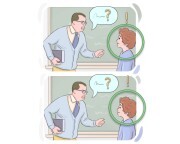
used to refer to a state in which someone is so surprised or frightened that they are unable to think clearly or make any move
恐怖で固まる, どうしていいか分からなくなる
先生に答えを説明するよう言われたとき、彼は恐怖で固まった。
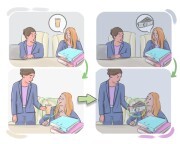
used to express great shock, disapproval, anger, etc., in reaction to someone's bold behavior
なんて厚かましい, よくもそんな図々しいことを
なんて厚かましいんだ。私の料理をけなした後で、夕食代を払えと言ってきた。

used to emphasize that something is genuine, serious, or not a joke
マジで!, 本当に
このオファーってマジなの?それとも単に注目を集めたいだけ?
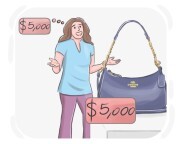
used to express surprise, amazement, or disbelief
なんてこった!, うそでしょ!
なんてこった、あの犬は私のソファより大きい。
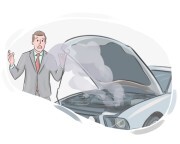
used to show that one is really shocked or amazed
マジかよ, やばい
マジかよ、あの波の大きさ見た?

used to express surprise, shock, or amazement
なんてこった, うそでしょ
なんてこった、このスーツケースは見た目より重い。

used when one is looking at something with a great sense of wonder or surprise
目を丸くする, 目を見開く
子どもたちは巨大なケーキを見て目を丸くした。
used when something, such as unexpected news, causes one to be greatly confused or shocked
あんぐり口を開ける, 言葉を失う
彼女はアパートの値段を聞いて、あんぐり口を開けた。
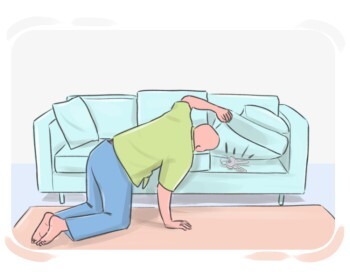
used to express one's surprise or bafflement at something unexpected or remarkable
すると驚いたことに, なんと
引き出しを開けると、驚いたことに、なくした鍵がそこにあった。
used to show disbelief, shock, or surprise at something that has been said or done
なんてことだ, まさか
なんてことだ、誰が玄関のドアを開けっぱなしにしたの?

used to express surprise, amazement, or mild exasperation
まあ大変, やれやれ
まあ大変、廊下がどうしてこんなに泥だらけになったの?

used to express strong surprise, disbelief, or sometimes indignation at something unexpected or remarkable
used to express surprise, amazement, or mild disbelief upon discovering something unexpected or learning new information
used to express surprise, interest, or admiration in response to something unexpected, unusual, or impressive
used to emphasize surprise, disbelief, or disapproval that a particular person, thing, or place is involved in a situation rather than any other possibility
used sarcastically to suggest that something presented as surprising, shocking, or scandalous is actually predictable or not particularly remarkable
used sarcastically to emphasize that an event or outcome, especially an unwelcome one, was entirely predictable and therefore not surprising
used as a mild, humorous exclamation to express strong surprise, astonishment, or disbelief at something unexpected
used to express surprise, confusion, or resignation when something seems strange, contradictory, or difficult to explain
used to express surprise, admiration, shock, or disapproval in response to something unexpected or remarkable
used to strongly emphasize the truth or sincerity of a statement, especially when making a promise, assertion, or declaration
