
Street Talk 2 本 - より詳しく見る:レッスン4
Street Talk 2のレッスン4から、追加の語彙、表現、意味、用法を、レッスンで使われている言語をより詳しく見ながら探求しましょう。
レビュー
フラッシュカード
綴り
クイズ


a Chinese martial art encompassing a wide range of fighting styles and techniques

カンフー, 中国武術
彼はその複雑な技術を習得するために何年もカンフーを練習した。

used as a poetic way to bid someone farewell
さようなら
さようなら、私の愛。私たちが共有した思い出を大切にします。
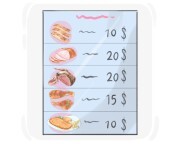
by selecting and ordering individual items from a menu rather than choosing a set meal
à la carte, 一品ずつ
彼らはセットメニューを選ぶ代わりにアラカルトで食べました。
the overall mood, feeling, or character of a place, shaped by its surroundings and influences
雰囲気, ムード
レストランの温かい雰囲気が、ロマンチックなディナーに最適でした。
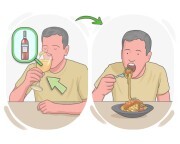
a drink, particularly alcoholic, consumed before a meal to stimulate one's appetite
アペリティフ
at an appropriate or fitting moment
ちょうどよい時に、適切に
会議が始まろうとしているちょうどその時、彼女は適切なタイミングで到着した。
showing a casual lack of concern, as if nothing is particularly important or worth worrying about
無関心な, 冷淡な
遅延について尋ねられたとき、彼は無関心な肩をすくめた。

used to wish someone a good appetite or enjoyable meal before they start eating
いただきます
食事を始める前に、シェフは叫んだ、「ボナペティ、皆さん!夕食をお楽しみください。」
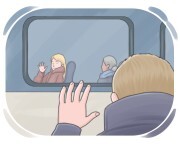
used to wish someone a safe and enjoyable journey before they embark on a trip
良い旅を!安全で思い出に残る旅になることを願っています。
ご機嫌よう、皆様。楽しいフライトを過ごし、無事に目的地に到着されることを願っています。
relating to the middle class, especially in terms of conventional values, materialism, or social respectability
ブルジョワの, 小ブルジョワの
彼の装飾の趣味は完全にブルジョワだった — きちんとしていて、安全で、予測可能だ。

a small store in which fashionable clothes or accessories are sold
ブティック
彼女はダウンタウンのブティックで美しいドレスを見つけ、それを買うことに決めました。
small, decorative items or trinkets, often of little value individually but collectively creating a visually appealing display
小物, がらくた
彼女のリビングルームの棚には、置物、花瓶、小さな彫刻など、さまざまな小物が飾られていました。
a loud and confused mixture of noise and activity
大騒ぎ, 喧騒
a feeling of mutual trust and friendship among people who spend a lot of time together
仲間意識, 友情
チームメイト間の仲間意識が、すべての練習を楽しくした。
complete freedom or unrestricted authority given to someone to act as they wish in a particular situation
白紙委任
CEOは新製品のローンチに向けて革新的な戦略を開発するため、マーケティングチームにcarte blancheを与えた。
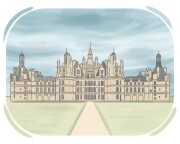
a large country house or mansion, typically of French origin, often associated with luxury, grandeur, and historical significance
シャトー
その壮大なシャトーは丘の上に立ち、広がるブドウ畑を見下ろし、田舎の息をのむような景色を提供していました。

the art of making pictures by sticking photographs, pieces of cloth or colored paper onto a surface
コラージュ, モンタージュ
彼女は雑誌の切り抜きとアクリル絵の具を使って、都市の風景の活気あるコラージュを作りました。
a hotel employee who assists guests by arranging services such as reservations, tours, tickets, or recommendations
コンシェルジュ, フロント係
ホテルのコンシェルジュが私たちの市内ツアーと劇場のチケットを予約しました。
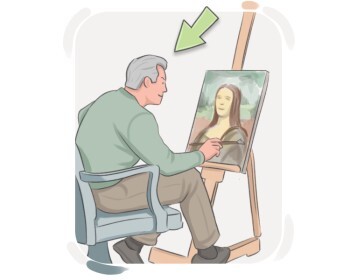
an individual who is an expert of art, food, music, etc. and can judge its quality
鑑定家, 専門家
ワインの鑑定家として、彼は香りと味の微妙なニュアンスを見分け、各ボトルの地域と年代を簡単に特定することができました。
an impressive and unexpectedly successful achievement
大成功, 殊勲
a sudden, violent seizure of governmental power by a small group
クーデター
クーデターにより、国の大統領が追放され、軍事政権が樹立されました。

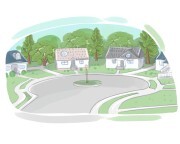
a street with one closed end
行き止まり, カル・ド・サック
彼らは静かな行き止まりの端に住んでいて、忙しいメインロードから離れています。
the first public appearance, performance, presentation, or release of a person, work, or product
デビュー, 初舞台
a woman who is making a public appearance for the first time, especially in movies or sports
デビュタント, 新人
having lost social or cultural status, often implying a decline in class or prestige
没落した
the feeling that a current situation has happened before, even though it is new
デジャヴ
彼は会話の途中で止まり、突然の デジャヴュ に打たれた。
a phrase or word that intentionally conveys two distinct meanings, usually with one sexual connotation
二重の意味, ほのめかし
a level or rank in an organization, profession, or society, indicating a person's status or authority within that hierarchy
階層, レベル
多くの若い専門家は、より大きな認識と成功を達成するために、それぞれの分野の階層を登ることを望んでいます。
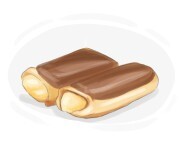
an oval cake made with a light pastry, filled with cream or custard and topped with chocolate icing
エクレア
a small group considered the most powerful, successful, skilled, or privileged within a society or organization
エリート, 精鋭
an individual who has left their native country to settle in another due to political reasons, war, or other upheavals
亡命者
その作家は、かつて全体主義体制からの亡命者であり、迫害を恐れることなく自分を表現できる新しい国で慰めと自由を見出した。
a feeling of being bored, tired, or dissatisfied because nothing interesting or exciting is happening
退屈
彼女は退屈そうにため息をつき、仕事の終わりを待ちながら時計を見つめた。
a chorus or group of dancers in a ballet company
アンサンブル, グループ
アンサンブルはコール・ド・バレエで美しく演奏した。
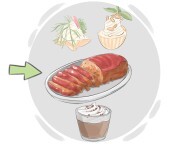
the main segment of a meal
メインディッシュ, 前菜
メイン料理には、アスパラガスとローストポテトを添えたグリルサーモンを選びました。
*** This French expression refers to something that has been done and cannot be changed.
既成事実
彼は貯金を使ってバイクを買い、それから両親にfait accompliを提示した。
an extremely embarrassing and inappropriate comment or behavior in a particular social situation
失態
彼はパーティーでゲストを紹介するのを忘れるというfaux pasを犯した。
the act of dealing with a situation in a subtle and skillful way
繊細さ
彼女は交渉を非常に巧妙に扱い、双方が満足することを確実にしました。
someone who takes great pleasure in food and dining, often with a discerning palate and a penchant for indulgence
美食家, グルメ
有名な美食家として、サラは食事の一つ一つを細心の注意を払って計画し、喜びとともに一口一口を味わいました。
someone who enjoys and knows about food and wine very much
グルメ, 美食家
彼女は新しい味と料理を探求するのが好きな真のグルメです。
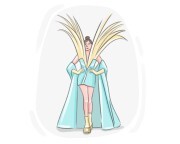
the products of making highly fashionable and expensive clothing
オートクチュール
デザイナーの最新のオートクチュールコレクションは、その精巧な職人技と革新的なデザインでファッション界を驚かせた。
fancy and carefully prepared food with beautiful presentation and top-notch ingredients
オートキュイジーヌ
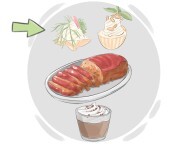
an intangible quality that makes someone or something attractive, appealing, or intriguing, but which is difficult to describe or define
何とも言えない魅力
彼女の笑顔には、部屋を明るく照らすある種の je ne sais quoi があった。

a feeling of being physically ill and irritated without knowing the reason
不快感
クレアの漠然とした不快感、不安や不快感は、専門家への数回の訪問を促しました。
a carnival held on Shrove Tuesday in some countries, especially in New Orleans
マルディグラ, マルディグラのカーニバル
ニューオーリンズのマルディグラは精巧なフロートとパレードを特徴としています。
a fight that is noisy, confusing, and involves many people
乱闘, 騒動
コンサートは、群衆の間で乱闘が発生したときに混乱に陥りました。
household for three; an arrangement where a married couple and a lover of one of them live together while sharing sexual relations
メナージュ・ア・トロワ
the social or cultural setting or environment
環境
緊密なコミュニティで育ったサラの環境は、彼女の価値観と信念を形作りました。
a person who has recently become wealthy and is regarded as lacking the refinement associated with established wealth
成金, 成り上がり者
a French style of cooking known for its light, delicate dishes, fresh ingredients, and artistic presentation
ヌーベルキュイジーヌ
そのレストランは、nouvelle cuisineに対する革新的なアプローチで称賛を得て、世界中の食通を引きつけました。
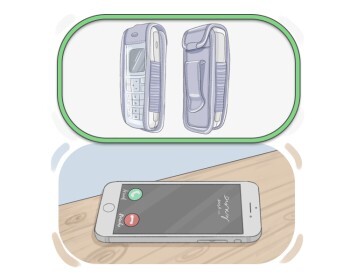
outdated, or no longer in style
時代遅れの, 流行遅れの
そのだぶだぶのジーンズはとても時代遅れだ;もう誰も履いていない。
the most important or impressive part of a series, event, or work
目玉
彼の小説のpièce de résistanceは、物語を完全に変えた最終章だった。
a small secondary residence, typically located in a city or urban area, that is used as a temporary or occasional dwelling
セカンドハウス
そのカップルは街に小さなピエド・ア・テールを維持し、週末の小旅行の便利な拠点として利用していました。
causing strong emotions, especially sadness or empathy
心にしみる, 感動的な
老夫婦の enduring love の 痛切な 物語は、皆の目に涙を浮かべさせた。
a collection or mixture of miscellaneous items, often diverse in nature
ポプリ, 寄せ集め
雑誌の最新号は、政治からポップカルチャーまでをカバーする記事の寄せ集めでした。
a French phrase meaning "Please respond," used on invitations to request a reply about whether the person will attend an event or not
返信
私たちはすでにパーティーのためのいくつかのRSVPを受け取りました。
suggestive of sexual impropriety
わいせつな, ほのめかす
コメディアンのきわどいジョークは観客の笑いと不快感の両方を引き起こした。
a refined and often luxurious room in a private residence or establishment used for entertaining guests or hosting intellectual gatherings
サロン, 応接室
ゲストは夕食前に飲み物を飲むためにサロンに集まった。
a private discussion, often between two people
二人きりの会話
会議の後、CEOと投資家は隅で短いテットアテットをした。
used humorously to show that someone has made a good point in an argument or discussion
トゥーシェ
私の発言に対抗するあなたの能力を過小評価していたかもしれません、touché。
a brilliant or masterful performance that attracts a lot of attention or displays great skill
傑作
an art technique that deceives the eye by creating realistic optical illusions
トロンプ・ルイユ
彼は存在しないドアの錯覚を作り出すためにトロンプルイユを使用しました。
used to indicate a comparison or contrast between two things or people
と比較して
彼女は姉と比べて不安を感じた。

used to express the sudden appearance, revelation, or accomplishment of something
ほら
このカードを取り、スロットに挿入すると、ほら、あなたの部屋の鍵が発行されます。
an acute but unspecific feeling of anxiety; usually reserved for philosophical anxiety about the world or about personal freedom
不安, 焦燥
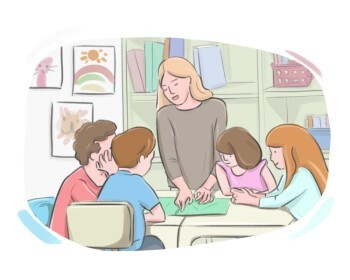
a class or school that prepares four-year-old to six-year-old children for elementary school
幼稚園, 保育園
幼稚園は、しばしば子供が構造化された学習環境に初めて正式に触れる場所であり、そこで基本的な社会的および学術的スキルを身につけ始めます。
forbidden or prohibited, especially by authority or law
禁止された, 禁じられた
会社のポリシーによると、オフィスでの喫煙は禁止されています。

a point of weakness or vulnerability
アキレス腱, 弱点
コミュニケーション不足がチームの弱点だった。

a strikingly handsome and sexually attractive young man
アドニス, 美青年
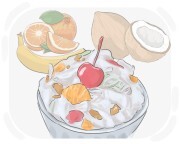
a dessert typically made with fruits such as oranges and bananas, often mixed with shredded coconut and sometimes whipped cream
アンブロシア, トロピカルフルーツサラダ
おばあちゃんは休日の夕食に甘いアンブロシアを出しました。
a compelling charm or attractiveness that inspires devotion and enthusiasm in others
カリスマ, 個人の魅力
彼の カリスマ性 は、彼を仲間の間で人気のあるリーダーにした。
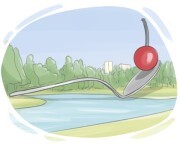
extremely large in size or scale
巨大な, 膨大な
古代の遺跡は、かつて建築の驚異の証として立っていた巨大な構造物の残骸を明らかにしました。
the universe regarded as an ordered and unified whole
宇宙, コスモス
relating to or causing sexual arousal or excitement
エロティック, 官能的
そのエロティックな小説は、情熱と欲望の露骨なシーンを特徴としていました。

used to express sudden realization, discovery, or enlightenment
ユーレカ!ソファのクッションの下に鍵を見つけた!, 見つけた!私の鍵はソファのクッションの下にあった!
ユーレカ!ソファのクッションの下に鍵を見つけました!
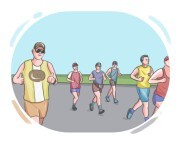
a running race of 26 miles or 42 kilometers
マラソン, マラソンレース
彼女は初めてのマラソンを走るために数か月間トレーニングした。

a reliable and experienced person who helps those with less experience
メンター, 指導者
志望するアーティストは、彼の芸術的スキルを開発するのに役立つ貴重なフィードバックと励ましを提供したメンターを見つけました。
a psychological trait or personality disorder where someone is excessively self-centered and believes they are superior to others
ナルシシズム, 自己中心性
ナルシシズムは、自己重要性の誇張された感覚と他人からの絶え間ない賞賛の必要性によって特徴付けられる人格特性です。
the sweet juice from fruits, often undiluted and pure
ネクター
農家の市場で、彼らは夏の一片のような味がする純粋な桃のネクターのサンプルを配りました。
