pattern

Listă de Cuvinte Nivel C1 - Politics

Aici vei învăța câteva cuvinte în engleză despre politică, cum ar fi "radical", "dictator", "activism" etc., pregătite pentru elevii de nivel C1.

Revizuire

Fișe de studiu

forme

Ortografie

Chestionar

Începe să înveți
CEFR C1 Vocabulary
to lobby
to lobby
[verb]

to make an attempt to persuade politicians to agree or disagree with a law being made or changed

a face lobby, a exercita presiuni

a face lobby, a exercita presiuni

Ex: The environmental group decided to lobby lawmakers for stricter regulations on carbon emissions. 
Închide
Conectare
to reform
to reform
[verb]

to make a society, law, system, or organization better or more effective by making many changes to it

reforma, îmbunătăți

reforma, îmbunătăți

Ex: The government aims to reform the education system to ensure equal access to quality education for all students. 
Închide
Conectare
diplomatic
diplomatic
[adjectiv]

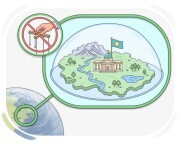
related to the work of keeping or creating friendly relationships between countries

diplomatic, legat de diplomație
diplomatic, legat de diplomație

Ex: Diplomatic efforts are underway to resolve the conflict peacefully. 
Închide
Conectare
sovereign
sovereign
[adjectiv]

(of a country or state) self-governed and free from external control

suveran

suveran

Ex: The newly established nation declared itself a sovereign state, free from colonial rule. 
Închide
Conectare
radical
radical
[adjectiv]

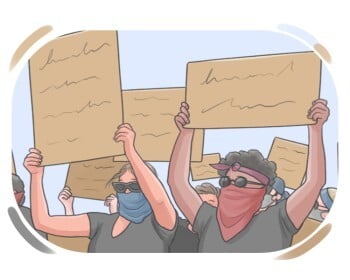
supporting total and extreme social or political changes

radical
radical

Ex: The radical activist advocated for the overthrow of the government to establish a new social order. 
Închide
Conectare
activism
activism
[substantiv]

the action of striving to bring about social or political reform, especially as a member of an organization with specific objectives

activism, luptă

activism, luptă

Ex: Her activism for environmental conservation has inspired many young people to join the cause. 
Închide
Conectare
activist
activist
[substantiv]

a person who tries to bring about political or social change, especially someone who supports strong actions such as protests, etc.

activist, militant

activist, militant

Ex: The activist organized a large protest to demand better working conditions for factory employees. 
Închide
Conectare
ambassador
ambassador
[substantiv]

a senior official whose job is living in a foreign country and representing their own country

ambasador, trimis

ambasador, trimis

Ex: The ambassador hosted a reception at the embassy to strengthen diplomatic relations between the two nations. 
Închide
Conectare
dictator
dictator
[substantiv]

a ruler that has total power over a state, particularly a ruler who gained power through force

dictator, tiran

dictator, tiran

Ex: The dictator imposed strict censorship laws to suppress any opposition to his regime. 
Închide
Conectare
policy maker
policy maker
[substantiv]

someone who makes decisions about the policies that a government or organization follows

creator de politici, decident politic

creator de politici, decident politic

Ex: As a policy maker, she played a crucial role in shaping the new education reforms. 
Închide
Conectare
propaganda
propaganda
[substantiv]

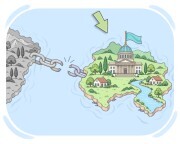
information and statements that are mostly biased and false and are used to promote a political cause or leader

propagandă
propagandă

Ex: The regime used propaganda to control the narrative and maintain public support. 
Închide
Conectare
autonomy
autonomy
[substantiv]

(of a country, region, etc.) the state of being independent and free from external control

autonomie

autonomie

Ex: The region fought for years to achieve autonomy from the central government. 
Închide
Conectare
constitution
constitution
[substantiv]

the official laws and principles by which a country or state is governed

constituție

constituție

Ex: The constitution of this country guarantees freedom of speech and the separation of powers among its branches of government. 
Închide
Conectare
legislation
legislation
[substantiv]

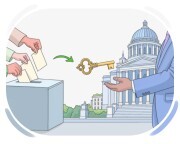
the act or process of making laws or passing a statute

legislație, lege
legislație, lege

Ex: The parliament passed new legislation aimed at improving environmental protection measures across the country. 
Închide
Conectare
mandate
mandate
[substantiv]

the legality and power given to a government or other organization after winning an election

mandat, autorizație

mandat, autorizație

Ex: After winning the election with a significant majority, the new government claimed a strong mandate to implement their policies. 
Închide
Conectare
bureaucracy
bureaucracy
[substantiv]

a system of government that is controlled by officials who are not elected rather employed

birocrație, administrație birocratică

birocrație, administrație birocratică

Ex: Within a bureaucracy, officials are employed based on expertise rather than being chosen through popular votes. 
Închide
Conectare
cabinet
cabinet
[substantiv]

senior members of a government who make decisions and control the policy of the government

cabinet
cabinet

Ex: The Prime Minister announced changes to the cabinet, appointing new ministers to key portfolios. 
Închide
Conectare
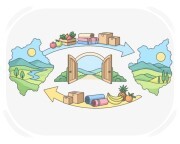
commerce
commerce
[substantiv]

the act of buying and selling goods and services, particularly between countries

comerț

comerț

Ex: International commerce plays a vital role in global economic development, facilitating trade between nations. 
Închide
Conectare
free trade
free trade
[substantiv]

a system of international trading in which there are no restrictions or taxes on goods bought or sold

liber schimb, comerț liber

liber schimb, comerț liber

Ex: Many economists argue that free trade agreements promote economic growth by reducing barriers to international commerce. 
Închide
Conectare
poll
poll
[substantiv]

a process in which random people are asked the same questions to find out what the general public thinks about a given subject

sondaj, sondaj de opinie

sondaj, sondaj de opinie

Ex: The latest opinion poll indicates a significant shift in public opinion regarding climate change policies. 
Închide
Conectare
alliance
alliance
[substantiv]

a formal agreement or treaty establishing cooperation between nations or groups for shared objectives

alianță, pact

alianță, pact

Ex: The military alliance between the two countries was formed to enhance mutual defense capabilities. 
Închide
Conectare
ally
ally
[substantiv]

a country that aids another country, particularly if a war breaks out

aliat, partener

aliat, partener

Ex: During the war, each nation relied heavily on its allies for resources and support. 
Închide
Conectare
coalition
coalition
[substantiv]

an alliance between two or more countries or between political parties when forming a government or during elections

coaliție, alianță

coaliție, alianță

Ex: The coalition government was formed by two major political parties to ensure stability and consensus on key policy issues. 
Închide
Conectare
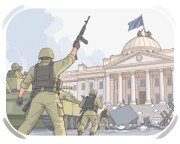
coup
coup
[substantiv]

an unexpected, illegal, and often violent attempt to change a government

lovitură de stat

lovitură de stat

Ex: The military launched a coup to overthrow the democratically elected government and seize control of the country. 
Închide
Conectare
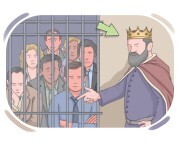
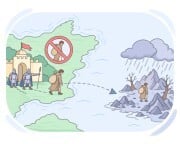
exile
exile
[substantiv]

the situation of someone who is sent to live in another country or city by force, particularly as a penalty or for political reasons

exil, surghiun

exil, surghiun

Ex: The political dissident lived in exile for over a decade, seeking asylum in neighboring countries. 
Închide
Conectare
wing
wing
[substantiv]

members of a political party or other organization who have a certain function or share certain views

aripă, facțiune

aripă, facțiune

Ex: The conservative wing of the party pushed for tax cuts and deregulation. 
Închide
Conectare
treaty
treaty
[substantiv]

an official agreement between two or more governments or states

tratat

tratat

Ex: The two countries signed a peace treaty to end decades of conflict and establish diplomatic relations. 
Închide
Conectare
capitalism
capitalism
[substantiv]

an economic and political system in which industry, businesses, and properties belong to the private sector rather than the government

capitalism, sistem capitalist

capitalism, sistem capitalist

Ex: Capitalism is an economic system where private individuals and businesses own the means of production and operate for profit. 
Închide
Conectare
communism
communism
[substantiv]

a political system in which the government controls all industry, every citizen is equally treated, and private ownership does not exist

comunism, sistem comunist

comunism, sistem comunist

Ex: Communism is a political and economic ideology advocating for a classless society where the means of production are owned collectively. 
Închide
Conectare
extremism
extremism
[substantiv]

religious or political actions, beliefs, or ideas that most people find them extreme, unreasonable, and abnormal

extremism, radicalism

extremism, radicalism

Ex: The rise of political extremism in the region has led to increased tensions and conflicts among communities. 
Închide
Conectare
fascism
fascism
[substantiv]

an extreme right-wing political attitude or system characterized by a strong central government, aggressively promoting one's country or race above others, as well as prohibiting any opposition

fascism

fascism

Ex: Fascism rose to prominence in Europe during the early 20th century, leading to the establishment of totalitarian regimes. 
Închide
Conectare
federalism
federalism
[substantiv]

a political system in which a central government controls the affairs of each self-governed state

federalism

federalism

Ex: Federalism allows for a division of powers between the national government and state governments, promoting a balance of authority. 
Închide
Conectare
globalism
globalism
[substantiv]

a belief in which the actions of one country affect all other countries in the world and that economic policy is built on benefiting the whole world not an individual country

globalism, concepție mondială

globalism, concepție mondială

Ex: Globalism has led to increased economic interdependence among nations, fostering international trade and investment. 
Închide
Conectare
liberalism
liberalism
[substantiv]

the political belief that promotes personal freedom, democracy, gradual changes in society, and free trade

liberalism, doctrina liberală

liberalism, doctrina liberală

Ex: Liberalism emphasizes the importance of individual rights and freedoms, advocating for a society where people can express their views openly. 
Închide
Conectare
socialism
socialism
[substantiv]

an economic system in which the state owns and manages major resources, industries, or capital

socialism, colectivism

socialism, colectivism

Ex: Socialism ensures that public assets benefit the population. 
Închide
Conectare
administrative
administrative
[adjectiv]

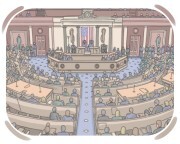
related to the management and organization of tasks, processes, or resources within an organization or system

administrativ
administrativ

Ex: The administrative staff handles day-to-day operations in the office. 
Închide
Conectare
congressional
congressional
[adjectiv]

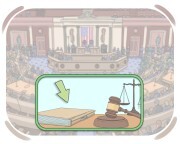
relating to the United States Congress, which makes laws and oversees the government

congresual, al Congresului
congresual, al Congresului

Ex: Congressional hearings investigate issues and propose legislation. 
Închide
Conectare
constitutional
constitutional
[adjectiv]

relating to or in accordance with the rules laid out in a constitution, which is a set of fundamental laws for a country or organization

constituțional, constituțională
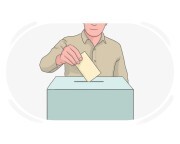
constituțional, constituțională

Ex: The law passed by the parliament was deemed constitutional by the judiciary. 
Închide
Conectare
electoral
electoral
[adjectiv]

related to voting, elections, or the process of choosing representatives through voting mechanisms

electoral, referitor la alegeri

electoral, referitor la alegeri

Ex: The electoral system determines how representatives are chosen to serve in government. 
Închide
Conectare
interim
interim
[adjectiv]

intended to last only until something permanent is presented

interimar, provizoriu

interimar, provizoriu

Ex: An interim report was submitted to provide preliminary findings before the full research study was complete. 
Închide
Conectare
protocol
protocol
[substantiv]

a set of rules and appropriate behavior that officials use on formal occasions

protocol, etichetă

protocol, etichetă

Ex: The state dinner followed strict diplomatic protocol, including seating arrangements and toasts. 
Închide
Conectare
to table
to table
[verb]

to formally bring up a proposal, discussion, etc. at a meeting for consideration

prezenta, propune

prezenta, propune

Ex: She tabled a motion to discuss increasing funding for public libraries. 
Închide
Conectare
entourage
entourage
[substantiv]

a group of people who work for and accompany a person of power or fame

suited, entourage

suited, entourage

Ex: The celebrity arrived at the event with a large entourage of bodyguards, assistants, and publicists. 
Închide
Conectare
appeasement
appeasement
[substantiv]

a policy of giving in to the demands of others in order to maintain peace, often at the cost of one's own principles or values

conciliere

conciliere

Ex: The policy of appeasement failed to prevent the outbreak of World War II, as aggressive actions continued unchecked. 
Închide
Conectare
LanGeek
Descarcă aplicația LanGeek