
Dilbilim - Morfoloji ve Sözlükbilim
Burada, "ek", "gövde" ve "leksem" gibi morfoloji ve leksikoloji ile ilgili bazı İngilizce kelimeler öğreneceksiniz.
Gözden Geçir
Flash kartlar
Yazım
Quiz

the shortened form of a word, etc.

kısaltma
Bir rapor yazarken, herhangi bir kısaltmayı ilk kullanımınızda tanımladığınızdan emin olun.

a process in morphology where affixes, which are bound morphemes, are attached to a base or root morpheme to create new words or modify the meaning or grammatical function of existing words
ekleştirme
(grammar) a letter or group of letters added to the end or beginning of a word to change its meaning
ek
Öğretmen, çeşitli dillerde eklerin işlevini açıkladı.
a short form of a word or a group of words used instead of the full form
kısalma
Günlük konuşmada, "yapma" ve "yapmadım" gibi kısaltmalar sıkça kullanılır.

(grammar) a letter or a set of letters that are added to the beginning of a word to alter its meaning and make a new word
önek
'Pre-' ve 'dis-' gibi yaygın önekleri anlamak, öğrencilerin bilinmeyen kelimeleri çözmesine yardımcı olabilir.

(grammar) a letter or a set of letters that are added to the end of a word to alter its meaning and make a new word
sonek
'Quick' kelimesine '-ly' soneki eklemek, kelimeyi 'quickly' olarak değiştirir ve onu bir zarf haline getirir.
a word formed from the initial letters of a phrase, pronounced as a single word
baş harflerden oluşan sözcük
AIDS, edinilmiş bağışıklık yetmezliği sendromunun bir kısaltmasıdır.
a process in language where two or more words are combined to create a new word that retains elements or sounds from the original words
ünlü kaynaşması
a type of abbreviation in which a word or phrase is represented by a series of numbers, with the numbers typically corresponding to the number of letters omitted between the first and last letter of the word or phrase
numeronim
a morpheme that cannot stand alone as an independent word and must be attached to other morphemes to convey meaning
bağımlı biçimbirim
a type of affix that consists of two parts, one attached to the beginning of a word and the other attached to the end
kelimenin hem başına hem de sonuna getirilen ek
a morphological process in which a segment or a group of segments is inserted within a word, typically resulting in a change of the word's meaning or grammatical category
transfiksasyon
(linguistics) a process by which a new word or inflection is formed according to existing rules and regulations
analoji
the form of a word to which inflectional affixes are added
gövde
(in linguistics) the base form of a word, remaining after removing all prefixes and suffixes
kelime kökü
a morpheme that can function as an independent word in a language
bağımsız biçimbirim
a linguistic element that functions as a word but behaves phonologically or syntactically as a bound morpheme, often attaching to other words and lacking independent stress or full syntactic independence
klitik
the process of creating new words or modifying existing ones through morphological and lexical mechanisms in a language
sözcük yapımı
(linguistics) a basic linguistic unit that is meaningful and underlies a set of words which are related through inflection
sözcük birim
"Gitmek" leksemi, "gitti", "gidiyor" ve "gider" gibi çeşitli biçimleri kapsar ve her biri fiilin anlamının farklı yönlerini iletir.
a morphological process in language where new words are formed by adding affixes or making internal modifications to a base or root word, resulting in a change in meaning, part of speech, or both
türetme
(grammar) a change in the structure of a word, usually adding a suffix, according to its grammatical function
çekim
Çekim, bir kelimenin anlamını önemli ölçüde değiştirebilir.
a word-formation process in which a new word is created by removing what is mistakenly perceived as a derivative affix from an existing word, often resulting in a shorter word with a different part of speech
ters türetme
a word-formation process in which two or more individual words are combined to create a new word, typically resulting in a compound with a meaning that is related to or derived from the meanings of the individual words
birleştirme
a word-formation process in which a word changes grammatical category without any change in its form
dönüşme
a structured set showing how a word changes to express different grammatical categories such as tense, mood, voice, aspect, person, number, gender, or case
paradigma
'Run' fiilinin paradigması şudur: run, runs, ran, running.
the complete set of meaningful units in a language or a branch of knowledge, or words or phrases that a speaker uses
veri sözlüğü
Argo ve günlük ifadelerin sözlüğü, toplum ve kültürdeki değişiklikleri yansıtmak için sürekli evrim geçirir.
the process of shortening a word by dropping one or more syllables
kısaltma
Kırpma, günlük konuşmada yaygındır ve kısaltılmış formların standart kelime dağarcığı olarak yaygın bir şekilde benimsenmesine yol açabilir.
a word-formation process in which a word or name is modified to create a shorter, affectionate, or informal version, often used to express familiarity, endearment, or intimacy
takma isim
Birçok dilde, hipokorizmler aileler ve yakın ilişkiler içinde samimiyet, aşinalık veya sevgi ifade etmek için kullanılır.
the process of creating or treating a group of phonological segments as a distinct morpheme, which carries meaning and can be combined with other morphemes to form words
morfemleştirme
a linguistic process where affixes attach to a root word, each keeping a distinct meaning and form
kelimeye ek getirme
a type of morpheme that carries the core lexical or semantic meaning of a word
sözlükbirim

all the words used in a particular language, field, or subject
sözcük hazinesi
(in linguistics) a word that is developed from another word or base
türev
Türev olan "çocuksu", "çocuk" kelimesinin anlamını değiştirir.
(linguistics) the form to which affixes or other morphological operations are added to create a new word
taban, kök
a process in language where a word or phrase, typically a verb or an adjective, is transformed into a noun, either by adding a suffix or by changing its syntactic function, allowing the expression of concepts or actions as nominal entities
isim türetme
a process in which a word or phrase evolves from being a combination of grammatical elements or a non-lexicalized expression to becoming an established lexical unit with its own meaning and usage
sözcükleştirme
a word form or affix that is added to a base word to express smallness, endearment, or a sense of familiarity
küçültme eki
Birçok dilde, küçültme ekleri sevimli veya daha az resmi terimler oluşturmak için kullanılır.
a newly created word or expression that has not yet gained widespread acceptance or recognition within a language community
yeni kelime
a non-existent or erroneous word that has been mistakenly created and entered into a dictionary or other linguistic sources
aslında var olmayıp hatayla kullanılan kelime
a string of letters or sounds that resemble real words but do not have any actual meaning or lexical representation in a particular language
sahte kelime
a term or expression created and used for a specific occasion or context, typically with a limited or one-time purpose, and not intended for long-term or widespread usage
özel sözcük veya ifade
a word or form that appears only once within a specific corpus or body of text
bir yazıda sadece bir kere geçen kelime
the smallest unit of a word's sound or written form that conveys a distinct grammatical or lexical meaning
morfem
Fiil zamanı, köke eklenen bir biçimbirim ile işaretlenir.
(linguistics) the smallest meaningful unit of a language that does not necessarily stand alone and cannot be divided
biçimbirim
Morflar serbest olabilir, "kitap" gibi, ya da bağlı olabilir, geçmiş zamanı gösteren "-di" eki gibi.
a type of morpheme that conveys grammatical information and serves a functional role in a sentence, rather than carrying lexical or content-related meaning
işlevsel morfem
(linguistics) a word, a group of words or a part of word that has a meaning and forms the basic element of any language
sözlüksel birim
a new word that is formed by the combination of two other words blending their meaning and sounds
birleşik sözcük
Modern dilde birleşik kelimelerin popülaritesi, "motor" ve "otel" kelimelerinin birleşimi olan "motel" gibi terimlerde belirgindir.
(linguistics) all the words and phrases of a language, including the function words
sözcük
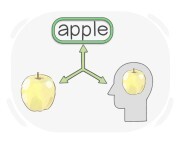
(grammar) a unit of language that has a specific meaning
sözcük

a particular combination of words that are used together very often
birlikte kullanım
Yanlış eşdizimler kullanmak, bir cümleyi tuhaf veya doğal olmayan hale getirebilir.
a group of words or a phrase that has a meaning different from the literal interpretation of its individual words, often specific to a particular language or culture
deyim
İngilizcede, 'break the ice' deyimi, gerçekten buz kırmak değil, bir sosyal ortamda gerginliği azaltmak için bir konuşma başlatmayı tanımlamak için kullanılır.
a situation in which a word or phrase has multiple meanings or interpretations, often leading to confusion or uncertainty in understanding the intended message or context
sözcüksel belirsizlik
the process of duplicating all or part of a word or morpheme to create a new form, often with a change in meaning or grammatical function
çoğaltma, pekiştirme
Bazı dillerde, çoğul oluşturmak için ikileme kullanılır, Endonezya dilinde olduğu gibi "orang" "kişi" anlamına gelir ve "orang-orang" "insanlar" anlamına gelir.
a phenomenon where the presence of one linguistic form prevents the occurrence or acceptance of another form with a similar meaning or function
engelleme
a set of principles or patterns that govern the formation or derivation of words and their meanings within a particular language or lexical system
leksikal kural
a playful, made-up word used to describe something for which there is no existing term, often adding humor and creativity to language
uydurma kelime
the process in which a new word or morpheme is created by combining a sound component that resembles an existing word with a semantic component that reflects its meaning
fonosemantik eşleştirme
