
Linguistik - Morfologi dan Leksikologi
Di sini Anda akan mempelajari beberapa kata dalam bahasa Inggris yang terkait dengan morfologi dan leksikologi seperti "afiks", "akar kata", dan "leksem".
Tinjauan
Kartu flash
Ejaan
Kuis

the shortened form of a word, etc.

singkatan, kependekan
Singkatan 'CEO' adalah singkatan dari Chief Executive Officer.

a process in morphology where affixes, which are bound morphemes, are attached to a base or root morpheme to create new words or modify the meaning or grammatical function of existing words
afiksasi, proses afiksasi
(grammar) a letter or group of letters added to the end or beginning of a word to change its meaning
afiks, sufiks/prefiks
Mempelajari afiks membantu dalam memahami etimologi kata.
a short form of a word or a group of words used instead of the full form
kontraksi, bentuk pendek
Kontraksi "we've" berarti "we have".

(grammar) a letter or a set of letters that are added to the beginning of a word to alter its meaning and make a new word
awalan
Memahami prefiks umum, seperti 'pre-' dan 'dis-', dapat membantu siswa mendekode kata-kata yang tidak dikenal.

(grammar) a letter or a set of letters that are added to the end of a word to alter its meaning and make a new word
akhiran, sufiks
Menambahkan akhiran '-ly' ke 'quick' mengubah kata menjadi 'quickly,' menjadikannya kata keterangan.
a word formed from the initial letters of a phrase, pronounced as a single word
akronim, singkatan
Militer sering menggunakan akronim untuk istilah yang kompleks.
a process in language where two or more words are combined to create a new word that retains elements or sounds from the original words
pencampuran, penggabungan
a type of abbreviation in which a word or phrase is represented by a series of numbers, with the numbers typically corresponding to the number of letters omitted between the first and last letter of the word or phrase
numeronim, singkatan numerik
a morpheme that cannot stand alone as an independent word and must be attached to other morphemes to convey meaning
morfem terikat, morfem dependen
a type of affix that consists of two parts, one attached to the beginning of a word and the other attached to the end
sirkumfiks, afiks sirkumfiks
a morphological process in which a segment or a group of segments is inserted within a word, typically resulting in a change of the word's meaning or grammatical category
transfiksasi, penyisipan morfologis
(linguistics) a process by which a new word or inflection is formed according to existing rules and regulations
analogi, kemiripan
the form of a word to which inflectional affixes are added
akar, dasar
(in linguistics) the base form of a word, remaining after removing all prefixes and suffixes
akar, kata dasar
a morpheme that can function as an independent word in a language
morfem bebas, kata mandiri
a type of bound morpheme that is inserted within a word
infiks, morfem terikat yang disisipkan
a linguistic element that functions as a word but behaves phonologically or syntactically as a bound morpheme, often attaching to other words and lacking independent stress or full syntactic independence
klitik, elemen klitik
the process of creating new words or modifying existing ones through morphological and lexical mechanisms in a language
pembentukan kata, turunan leksikal
(linguistics) a basic linguistic unit that is meaningful and underlies a set of words which are related through inflection
leksem, unit linguistik dasar
Ahli bahasa mempelajari leksem untuk memahami bagaimana kata-kata terkait secara morfologis dan semantis dalam suatu bahasa.
a morphological process in language where new words are formed by adding affixes or making internal modifications to a base or root word, resulting in a change in meaning, part of speech, or both
derivasi, proses pembentukan kata
(grammar) a change in the structure of a word, usually adding a suffix, according to its grammatical function
infleksi, akhiran
Infleksi nomina dalam bahasa Rusia menunjukkan kasus, jumlah, dan gender.
a word-formation process in which a new word is created by removing what is mistakenly perceived as a derivative affix from an existing word, often resulting in a shorter word with a different part of speech
pembentukan balik, derivasi regresif
a word-formation process in which two or more individual words are combined to create a new word, typically resulting in a compound with a meaning that is related to or derived from the meanings of the individual words
penggabungan kata, proses pembentukan kata majemuk
a word-formation process in which a word changes grammatical category without any change in its form
konversi, perubahan kelas kata
a structured set showing how a word changes to express different grammatical categories such as tense, mood, voice, aspect, person, number, gender, or case
paradigma, tabel deklinasi
Kata kerja 'run' memiliki paradigma: run, runs, ran, running.
the complete set of meaningful units in a language or a branch of knowledge, or words or phrases that a speaker uses
leksikon, kosakata
Sebuah leksikon khusus sangat penting dalam bidang teknis seperti kedokteran atau hukum, di mana terminologi yang tepat sangat penting.
the process of shortening a word by dropping one or more syllables
pemendekan, pengguntingan
Ahli bahasa memeriksa clipping untuk memahami bagaimana bahasa berevolusi dan beradaptasi, membuat komunikasi lebih efisien dengan menciptakan bentuk kata yang lebih pendek dan lebih mudah dikelola.
a word-formation process in which a word or name is modified to create a shorter, affectionate, or informal version, often used to express familiarity, endearment, or intimacy
hipokorisme, nama sayang
Ahli bahasa mempelajari hipokorisme untuk memahami bagaimana bahasa dan budaya menciptakan dan menggunakan bentuk nama yang penuh kasih sayang atau informal.
the process of creating or treating a group of phonological segments as a distinct morpheme, which carries meaning and can be combined with other morphemes to form words
morfemisasi, proses morfemisasi
a linguistic process where affixes attach to a root word, each keeping a distinct meaning and form
aglutinasi, proses aglutinasi
a type of morpheme that carries the core lexical or semantic meaning of a word
morfem leksikal, leksem

all the words used in a particular language, field, or subject
kosakata, perbendaharaan kata
(in linguistics) a word that is developed from another word or base
turunan, kata turunan
Dia mempelajari turunan dari awalan umum.
(linguistics) the form to which affixes or other morphological operations are added to create a new word
dasar, akar
a process in language where a word or phrase, typically a verb or an adjective, is transformed into a noun, either by adding a suffix or by changing its syntactic function, allowing the expression of concepts or actions as nominal entities
nominalisasi, pembendaharaan
a process in which a word or phrase evolves from being a combination of grammatical elements or a non-lexicalized expression to becoming an established lexical unit with its own meaning and usage
leksikalisasi, proses leksikalisasi
a word form or affix that is added to a base word to express smallness, endearment, or a sense of familiarity
diminutif, kata sayang
Istilah "bottlelet" menggunakan sebuah diminutif untuk menggambarkan botol yang sangat kecil.
a newly created word or expression that has not yet gained widespread acceptance or recognition within a language community
protologisme, kata yang baru dibuat
a non-existent or erroneous word that has been mistakenly created and entered into a dictionary or other linguistic sources
kata hantu, kata salah
a string of letters or sounds that resemble real words but do not have any actual meaning or lexical representation in a particular language
pseudokata, kata tiruan
a term or expression created and used for a specific occasion or context, typically with a limited or one-time purpose, and not intended for long-term or widespread usage
kata sementara, neologisme sementara
a word or form that appears only once within a specific corpus or body of text
hapax legomenon, kata atau bentuk yang hanya muncul sekali dalam teks tertentu
the smallest unit of a word's sound or written form that conveys a distinct grammatical or lexical meaning
morfem, morph
Dalam « kucing », kucing dan -s adalah morfem yang terpisah.
(linguistics) the smallest meaningful unit of a language that does not necessarily stand alone and cannot be divided
morfem, unit terkecil yang bermakna
Memahami morfem membantu ahli bahasa menganalisis bagaimana kata dibentuk dan bagaimana mereka menyampaikan makna.
a type of morpheme that conveys grammatical information and serves a functional role in a sentence, rather than carrying lexical or content-related meaning
morfem fungsional, morfem gramatikal
(linguistics) a word, a group of words or a part of word that has a meaning and forms the basic element of any language
unit leksikal, elemen leksikal
a new word that is formed by the combination of two other words blending their meaning and sounds
kata gabungan, kata portmanteau
Dalam linguistik, sebuah kata portmanteau menggabungkan suara dan makna dari dua kata yang berbeda untuk menciptakan istilah baru yang unik.
(linguistics) all the words and phrases of a language, including the function words
leksikon, kosakata
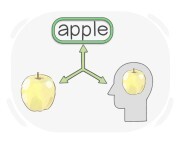
(grammar) a unit of language that has a specific meaning
kata, istilah

a particular combination of words that are used together very often
kolokasi, kombinasi kata
Dia menemukan bahwa mempelajari kolokasi lebih efektif daripada menghafal kata-kata kosakata individual.
a group of words or a phrase that has a meaning different from the literal interpretation of its individual words, often specific to a particular language or culture
idiom, ungkapan idiomatik
Frasa 'spill the beans' adalah sebuah idiom yang berarti mengungkapkan rahasia, bukan secara harfiah menjatuhkan kacang.
a situation in which a word or phrase has multiple meanings or interpretations, often leading to confusion or uncertainty in understanding the intended message or context
ambiguitas leksikal, polisemi
the process of duplicating all or part of a word or morpheme to create a new form, often with a change in meaning or grammatical function
reduplikasi, pengulangan
Ahli bahasa mempelajari reduplikasi untuk memahami bagaimana bahasa menggunakan pengulangan untuk menciptakan kata-kata baru, mengintensifkan makna, atau menunjukkan aspek tata bahasa seperti jamak atau waktu kata kerja.
a phenomenon where the presence of one linguistic form prevents the occurrence or acceptance of another form with a similar meaning or function
pemblokiran, penghalangan
a set of principles or patterns that govern the formation or derivation of words and their meanings within a particular language or lexical system
aturan leksikal, prinsip leksikal
a playful, made-up word used to describe something for which there is no existing term, often adding humor and creativity to language
sniglet, kata buatan yang lucu
the process in which a new word or morpheme is created by combining a sound component that resembles an existing word with a semantic component that reflects its meaning
pencocokan fonosemantik, penyesuaian bunyi-makna
