pattern

Advanced Vocabulary for TOEFL - Money and Business

Here you will learn some English words about money and business, such as "soar", "overdue", "quotation", etc. that are needed for the TOEFL exam.

Review

Flashcards

Spelling

Quiz
Start learning
Advanced Words Needed for TOEFL
to depreciate

to diminish in value, especially over time

Close
Sign in
to fluctuate

to vary or waver between two or more states or amounts
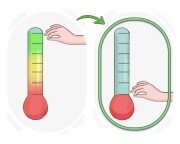
Ex: The economy fluctuates, affecting businesses and individuals alike. 
Close
Sign in
to plummet

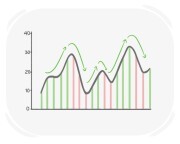
to decline in amount or value in a sudden and rapid way

Ex: After the disappointing earnings report, the company's stock value began to plummet. 
Close
Sign in
to soar
to soar
[Verb]

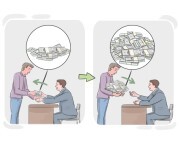
to increase rapidly to a high level

Ex: The price of Bitcoin soared to an all-time high last week. 
Close
Sign in
convertible
convertible
[Adjective]

able to be changed from one form of currency, investment, or security into another

Ex: The convertible currency can be easily exchanged for another currency at the current exchange rate. 
Close
Sign in
deregulatory
deregulatory
[Adjective]

relating to the removal or reduction of governmental power or regulations from an industry, commodity, etc.

Close
Sign in
extravagant
extravagant
[Adjective]

costing a lot of money, more than the necessary or affordable amount

Ex: She threw an extravagant birthday party with live music and gourmet catering. 
Close
Sign in
fiscal
fiscal
[Adjective]

relating to government revenue or public money, especially taxes

Ex: The government faces challenges in balancing fiscal priorities while addressing social needs. 
Close
Sign in
laissez-faire
laissez-faire
[Adjective]

relating to a policy in which private businesses are allowed to thrive without government control

Close
Sign in
overdue
overdue
[Adjective]

‌not paid, done, etc. within the required or expected timeframe

Ex: The bill payment is overdue, and late fees may apply. 
Close
Sign in
alimony
alimony
[noun]

the money that is demanded by the court to be paid to an ex-spouse or ex-partner

Ex: After the divorce, she was awarded monthly alimony payments to support her financially. 
Close
Sign in
arrears
arrears
[noun]

money that is owed and not yet paid

Ex: He finally paid off his arrears from the last six months. 
Close
Sign in
collateral

a loan guarantee that may be taken away if the loan is not repaid

Ex: When securing a loan, the bank often requires borrowers to provide collateral, such as real estate or vehicles, to mitigate the risk of default. 
Close
Sign in
incentive
incentive
[noun]

a payment or concession to encourage someone to do something specific

Ex: The company offered a bonus as an incentive for employees who exceeded their sales targets. 
Close
Sign in
audit
audit
[noun]

a formal inspection of a business's financial records to see if they are correct and accurate or not

Ex: The company underwent an audit to ensure compliance with financial regulations. 
Close
Sign in
bailout
bailout
[noun]

an act of giving money to a foreign country, a failing company, or an organization on the verge of collapse to ensure their safety from bankruptcy

Close
Sign in
insolvency

the state or condition of not having enough money to pay one's debts

Close
Sign in
quotation
quotation
[noun]

a statement indicating the cost of a specific service or piece of work

Ex: The contractor provided a detailed quotation for the renovation project, outlining materials and labor costs. 
Close
Sign in
crunch
crunch
[noun]

a challenging situation caused by a shortage, such as time, money, or resources, that requires immediate attention or action

Ex: The company faced a financial crunch after losing a major client. 
Close
Sign in
deflation
deflation
[noun]

(economics) a decrease in the amount of money in an economy, resulting in falling or unchanged prices

Close
Sign in
dividend
dividend
[noun]

an amount of money paid regularly to the shareholders of a company

Ex: The company announced a quarterly dividend of $1 per share. 
Close
Sign in
leverage
leverage
[noun]

(finance) the value of a company's shares in relation to its debts

Close
Sign in
ransom
ransom
[noun]

an amount of money demanded or paid for the release of a person who is in captivity

Ex: The kidnappers demanded a large ransom for the safe return of the CEO's daughter. 
Close
Sign in
subsidy
subsidy
[noun]

an amount of money that a government or organization pays to lower the costs of producing goods or providing services so that prices do not increase

Ex: The government provides subsidies to farmers to support agricultural production and maintain food security. 
Close
Sign in
tariff
tariff
[noun]

a tax paid on goods imported or exported

Ex: The government imposed a tariff on imported steel to protect domestic producers. 
Close
Sign in
usury
usury
[noun]

the practice of lending money at excessively high interest rates, considered unethical or illegal

Ex: The lender was accused of usury after charging triple-digit interest. 
Close
Sign in
liquidity
liquidity
[noun]

financial assets in the form of money or able to be easily converted into money

Ex: The company maintained high liquidity to cover unexpected expenses. 
Close
Sign in
monetarism

the theory or policy of controlling the amount of money in circulation as the preferred method of stabilizing the economy

Ex: Monetarism emphasizes the role of monetary policy over fiscal policy. 
Close
Sign in
stagflation

an economic situation with persistent high inflation and a high unemployment rate

Ex: The country experienced stagflation, with prices rising and jobs disappearing. 
Close
Sign in
clientele
clientele
[noun]

the collective body of clients served by a business, professional, or institution

Ex: The boutique's clientele favored minimalist fashion and high-end fabrics. 
Close
Sign in
conglomerate

a corporation formed by merging different firms or businesses

Ex: The conglomerate expanded its operations by acquiring companies in various industries such as technology, healthcare, and consumer goods. 
Close
Sign in
subsidiary

a business company controlled or owned by a holding or parent company

Ex: The tech giant acquired a new subsidiary to expand its product line. 
Close
Sign in
infomercial

an advertising television program that tries to promote a product by giving a lot of information about it in a supposedly objective manner

Ex: The infomercial for the new kitchen appliance demonstrated its multiple uses and featured testimonials from satisfied customers. 
Close
Sign in
curtailment

the act of reducing or limiting something in order to reach financial stability

Ex: The company announced a curtailment of its production operations in response to declining market demand. 
Close
Sign in
outsourcing

the process of having someone outside of a company provide goods or services for that company

Close
Sign in
broker
broker
[noun]

a person whose job is to sell and buy assets and goods for other people

Close
Sign in
loan shark

a person who lends money to people, typically under illegal conditions, at a very high rate of interest

Ex: He borrowed money from a loan shark and ended up owing twice as much. 
Close
Sign in
tycoon
tycoon
[noun]

a rich and powerful person who is successful in business or industry

Close
Sign in
magnate
magnate
[noun]

a wealthy, influential, and successful businessperson
Ex: John D. Rockefeller started out as a young businessman and quickly became a titan of industry, ultimately earning the title "magnate. 
Close
Sign in
dog eat dog
dog eat dog
[phrase]

(in business, politics, etc.) a situation in which the competition is so fierce that everyone is willing to do whatever it takes to be successful, even if it means harming others

Ex: The tech industry can be dog eat dog, especially for small startups. 
Close
Sign in
LanGeek
Download LanGeek app