
Cinema and Theater - Specific Terms of Theater
Here you will learn some specific English terms related to theater such as "everyman", "fourth wall", and "vaudeville".
Review
Flashcards
Spelling
Quiz


the techniques used by actors to simulate fight scenes in theater, film, and television productions in a safe and believable manner
a 19th-century stage illusion technique that uses a partially reflective glass angled at 45 degrees to create ghostly images of people or objects
a form of theatrical makeup used to portray offensive and racist caricatures of black people, which has a history of causing harm and perpetuating negative stereotypes
a group of actors and other professionals who work together to perform plays and other theatrical productions
a style of acting where the performer acknowledges and directly addresses the audience, often breaking the fourth wall
a play that was written during the Middle Ages and tells the story of a character named Everyman who represents all of humanity, facing death and judgment before God
an actor who breaks character by laughing or forgetting their lines, causing the scene to come to a halt
an imaginary barrier that separates the mise en scene and the fictional characters from the audience, especially in a theatrical performance
a preliminary performance to assess the potential of a performer
a short comic scene performed as part of a variety show or comedy program
a form of theatrical entertainment that involves caricature and parody, often combining elements of comedy, music, dance, and striptease
the activity of acting in or producing a play in a theater as a hobby and not a profession
the time after a play or show has just ended when the performers come to the stage to receive the applause of the audience
the final practice of a play or live show, in which the same costumes and lights are used as the live performance
a method used in theater production that indicates a change of the setting
a loud whisper uttered by an actor on the stage, meant to be heard by the audience but not by other characters
a stage direction that indicates the sudden extinguishing of all lights on stage, usually for a brief period
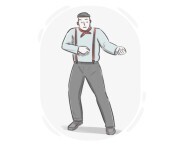
a theatrical technique in which the performer uses body and hand gestures in order to suggest an idea or tell something without using words
a set of acting techniques used to create realistic portrayals of characters on stage by emphasizing emotional authenticity and psychological realism
a performance style characterized by a critical, political, and distancing approach that aims to create an objective and analytical perspective on social issues
the use of masks in theater performance and training, in which the actor uses the mask to explore different characters, emotions, and archetypes

a well-known street in New York City where many theaters are located, which is considered the center of theater industry in the US
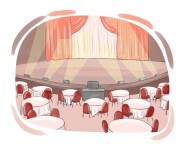
small theaters outside Broadway street that have a limited budget and are engaged in experimentation
small-scale and experimental productions that are typically performed in non-traditional theater spaces
theater productions that are staged in smaller, independent theaters located outside of London's West End theater district
professional theater productions that are performed outside of major metropolitan areas, often in smaller cities or towns
a type of theater where a company performs several different productions using a shared pool of actors over a period of time, often rotating the shows in and out of the schedule
a theatrical production that often satirizes recent events and consists of jokes, songs, dances, etc.
a type of theater that stages productions during the summer season, often employing a resident company of actors who perform multiple shows over the course of several weeks or months
a type of comic theatrical production combining pantomime, dance, singing, etc. popular in the 1800s and early 1900s
a type of theatrical performance that is presented in a workshop setting, typically with minimal sets, costumes, and props
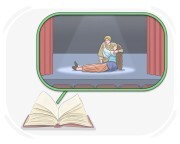
a written story that is meant to be performed on a stage, radio, or television

