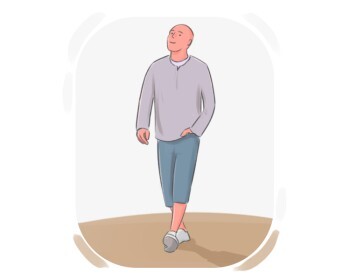
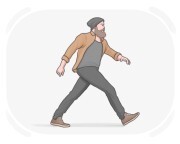
Verbs of Movement - Verbs for Movement on Foot

Here you will learn some English verbs referring to movement on foot such as "roam", "stroll", and "hike".

review-disable

review

flashcard-disable

flashcard

spelling-disable

spelling

quiz-disable

quiz

start-learning
Verbs of Movement
to walk [verb]

to move forward at a regular speed by placing our feet in front of each other one by one

Ex: The baby just learned to walk and is taking a few steps at a time .
to tread [verb]

to move along a path, surface, or area by taking steps

Ex: To explore the historical city , tourists chose to tread through the cobblestone streets .
to clump [verb]

to move with heavy or awkward steps, often in a manner that lacks grace or coordination
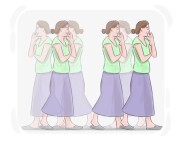
Ex: The actor , in a comical scene , pretended to clump across the stage with awkward steps .
to pace [verb]

to walk back and forth in a small area at a fixed speed, often due to anxiety or being deep in thought
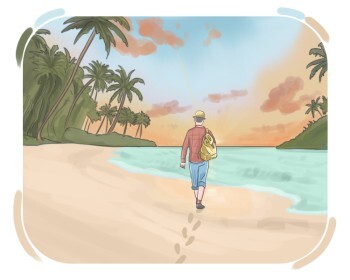
Ex: Unable to sit still , he paced back and forth in his office while waiting for the important phone call .
to roam [verb]

to go from one place to another with no specific destination or purpose in mind

Ex: In the vast national park , you can roam for hours without encountering another soul .

to walk leisurely or casually, typically without a specific destination or purpose, often for enjoyment or relaxation

Ex: Residents of the quaint town often gather at the town square to stroll and chat with their neighbors .

to move in a relaxed or casual manner

Ex: They spent the afternoon wandering through the art museum , admiring the paintings at their own pace .

to take a long walk for pleasure in the countryside with no particular destination

Ex: With a picnic basket in hand , they set out to ramble through the lush meadows .

to move one's feet slowly or lazily, often by dragging them along the ground

Ex: After the marathon , the exhausted runners could only manage to shuffle back to the changing area .
to amble [verb]

to walk at a slow and leisurely pace, usually without any particular purpose or urgency
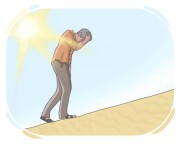
Ex: As the sun set , residents of the seaside village would often amble along the beach .

to walk slowly and with heavy steps, especially due to exhaustion, difficulty, or adverse conditions

Ex: The tired workers had to trudge home in the rain after a long day of construction .

to walk leisurely and with a casual and unhurried pace

Ex: As the sun set , couples would often saunter hand in hand through the park .
to plod [verb]

to walk heavily and laboriously, typically with a slow and monotonous pace

Ex: After a long day of work , he had to plod up the staircase to his apartment .

to walk or move wearily or reluctantly, often with a casual or unhurried manner

Ex: In the hot sun , the employees had to traipse from one building to another for the team meeting .
to mosey [verb]

to move or walk in a relaxed, unhurried manner, often with a casual or leisurely pace
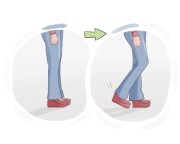
Ex: In the small town , residents often moseyed to the local cafe .
to step [verb]

to move to a new position by raising one's foot and then putting it down in a different spot
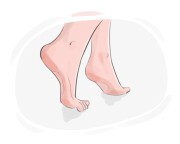
Ex:

to walk slowly and carefully on one's toes
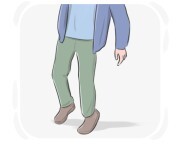
Ex: In the library , patrons are reminded to tiptoe to maintain a quiet atmosphere .
to limp [verb]

to walk with difficulty, particularly due to a damaged or stiff leg or foot
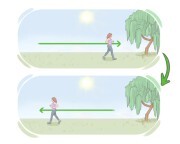
Ex: The elderly man limped to the park bench , taking a moment to rest and catch his breath .

to go back along the same path or route that one has previously taken

Ex: During the hike , the group decided to backtrack and explore a side trail they had overlooked earlier .

to walk in a manner that is both showy and casual, often with exaggerated movements to draw attention
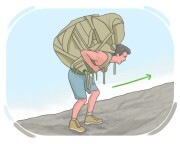
Ex: With a playful smile , he sashayed across the dance floor , enjoying the attention from onlookers .

to move clumsily or struggle while walking
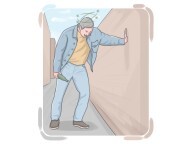
Ex: The elderly gentleman began to flounder on the icy sidewalk , careful not to slip and fall .

to move unsteadily or with difficulty

Ex: The injured athlete , with a twisted ankle , had to stagger off the field , wincing with each unsteady step .
to scale [verb]

to ascend or overcome a height or obstacle, often using a ladder
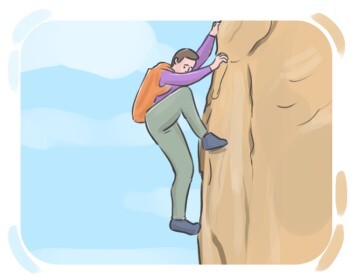
Ex: In military training , soldiers are often required to scale walls and structures during tactical exercises .
to climb [verb]

to go up mountains, cliffs, or high natural places as a sport

Ex: The experienced instructor patiently taught the group how to climb safely .
to mount [verb]

to ascend or climb onto a higher position or surface
Ex: The rock climber skillfully used handholds and footholds to mount the challenging ascent .
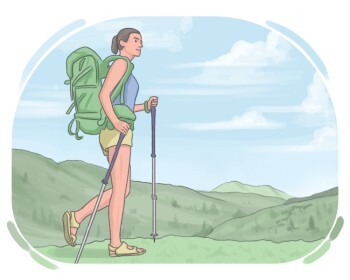
to hike [verb]

to take a long walk in the countryside or mountains for exercise or pleasure
Ex:

to ascend or move clumsily up a steep surface, using both hands and feet for support

Ex: With the storm approaching , the sailors had to scramble up the rigging to secure the sails .

to climb a surface using hands and feet
Ex: In the dense forest , the hiker had to clamber up a steep slope to continue on the trail .
to march [verb]

to walk firmly with regular steps

Ex: The police officers marched down the street , ensuring a visible presence during the community event .

to walk confidently and purposefully with long, decisive steps

Ex:
to stamp [verb]

to walk with a loud and noticeable sound, typically due to the force of one's steps
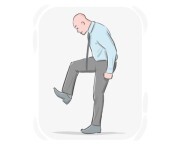
Ex: The soldier stamped across the drill ground , displaying discipline and precision in each step .
to stomp [verb]

to tread heavily and forcefully, often with a rhythmic or deliberate motion

Ex: The angry child proceeded to stomp away from the playground .

to move upward or climb to a higher position or elevation

Ex: With determination , the rock climber began to ascend the sheer cliff .