pattern

Cambridge IELTS 19 - Academic - Test 4 - Reading - Passage 1 (2)

Here you can find the vocabulary from Test 4 - Reading - Passage 1 (2) in the Cambridge IELTS 19 - Academic coursebook, to help you prepare for your IELTS exam.

Review

Flashcards

Forms

Spelling

Quiz
Start learning
Cambridge IELTS 19 - Academic
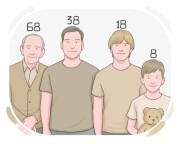
generation

people born and living at approximately the same period of time

Ex: The older generation often reminisces about life before smartphones became ubiquitous. 
Close
Sign in
reproductive
reproductive
[Adjective]

relating to processes and behaviors involved in the creation of offspring within a species
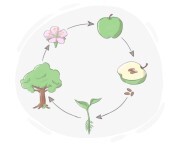
Ex: Reproductive organs in animals and plants facilitate the production of offspring. 
Close
Sign in
cycle
cycle
[noun]

(biology) a series of transformations and events that happen in an animal or plant's lifetime

Ex: The water cycle describes how water moves through the environment in different forms. 
Close
Sign in
indeed
indeed
[Adverb]

used to emphasize or confirm a statement

Ex: She did indeed finish the project ahead of schedule. 
Close
Sign in
extent
extent
[noun]

the point or degree to which something extends

Close
Sign in
roughly
roughly
[Adverb]

without being exact

Ex: The project will take roughly two months to complete. 
Close
Sign in
on average
on average
[Adverb]

used to describe the typical or average value or amount based on a set of data or observations

Ex: On average, students spend about two hours a day on homework. 
Close
Sign in
sign
sign
[noun]

a perceptible indication or clue of something not immediately obvious

Ex: Dark clouds were a sign of approaching rain. 
Close
Sign in
well-equipped
well-equipped
[Adjective]

having all the necessary tools, supplies, or features for a specific purpose
Ex: The kitchen was well-equipped with modern appliances. 
Close
Sign in
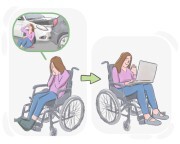
to cope
to cope
[Verb]

to handle a difficult situation and deal with it successfully

Ex: She copes with work pressure by prioritizing tasks and maintaining a positive mindset. 
Close
Sign in
to adjust
to adjust
[Verb]

to gradually get used to or become comfortable with a new situation or reality

Ex: After moving to a new country, it took some time for Sarah to adjust to the different culture and customs. 
Close
Sign in
under
under
[preposition]

affected or strained by a force, influence, or condition
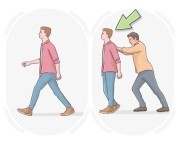
Ex: The bridge collapsed under the strain of heavy traffic. 
Close
Sign in
unwillingly
unwillingly
[Adverb]

with a lack of desire or a sense of resistance

Ex: She unwillingly accepted the additional workload, feeling overwhelmed by the demands. 
Close
Sign in
unnaturally
unnaturally
[Adverb]

not according to nature; not by natural means

Close
Sign in
to seek
to seek
[Verb]

to make an effort to achieve or obtain something

Ex: She sought to improve her skills by practicing every day. 
Close
Sign in
to pull together

to collect various items or pieces of information into one place or format

Ex: For the reunion, alumni pulled together old photographs from their college days. 
Close
Sign in
data
data
[noun]

information or facts collected to be used for various purposes

Ex: The scientist analyzed the data collected from the experiment. 
Close
Sign in
record
record
[noun]

an item that provides lasting evidence or information about past events, actions, or conditions

Ex: The diary served as a personal record of her daily life and thoughts. 
Close
Sign in
to submit
to submit
[Verb]

to present an idea, opinion, or argument for consideration, often in a formal or structured setting
Ex: The lawyer submitted that the evidence was insufficient to prove guilt. 
Close
Sign in
enthusiast

someone who has a strong interest in a particular activity, subject, or hobby, and really loves learning about it and doing it
Ex: She is a fitness enthusiast who exercises daily. 
Close
Sign in
to estimate

to guess the value, number, quantity, size, etc. of something without exact calculation

Ex: I estimate that there are about 100 people at the party. 
Close
Sign in
abundance
abundance
[noun]

a large quantity or amount of something

Ex: The garden was filled with an abundance of blooming flowers in the spring. 
Close
Sign in
distribution

the pattern or arrangement of objects, organisms, or phenomena across a range, area, or volume

Ex: The distribution of trees in the forest is uneven. 
Close
Sign in
along with
along with
[preposition]

together with something else

Ex: An instruction manual came along with the new appliance. 
Close
Sign in
crucially
crucially
[Adverb]

in a manner emphasizing the important nature of an action, event, or situation
Ex: The data analysis phase is crucially important to draw meaningful conclusions from the experiment. 
Close
Sign in
subtle
subtle
[Adjective]

difficult to notice or detect because of its slight or delicate nature
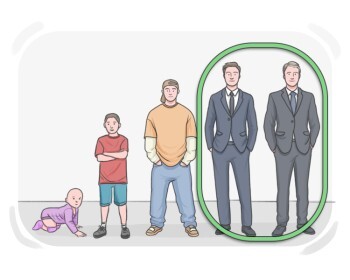
Ex: The artist used subtle brushstrokes to create a sense of depth and movement in the painting. 
Close
Sign in
adult
adult
[Adjective]

fully developed and mature

Ex: The adult cat is independent and no longer requires constant care like a kitten. 
Close
Sign in
variable
variable
[noun]

something that is subject to change and can affect the result of a situation

Ex: In the experiment, temperature was a variable that could influence the outcome. 
Close
Sign in
flexible
flexible
[Adjective]

capable of adjusting easily to different situations, circumstances, or needs
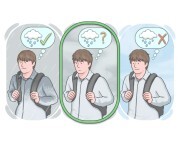
Ex: Her flexible approach to problem-solving made her an excellent team member. 
Close
Sign in
likely
likely
[Adjective]

having a possibility of happening or being the case

Ex: The doctor believes it's likely that the patient will make a full recovery with proper treatment. 
Close
Sign in
emergence
emergence
[noun]

the process of gradually coming into existence

Ex: The emergence of eco-friendly technologies is an encouraging sign in the fight against climate change. 
Close
Sign in
to drive
to drive
[Verb]

to be the influencing factor that causes something to make progress

Ex: Healthcare reforms are expected to drive improvements in patient care. 
Close
Sign in
individual
individual
[Adjective]

considered a separate or distinct entity
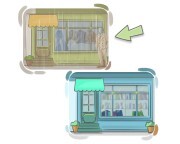
Ex: Each individual case is unique and requires careful consideration. 
Close
Sign in
previously
previously
[Adverb]

before the present moment or a specific time

Ex: She had previously worked for a different company before joining the current one. 
Close
Sign in
trend
trend
[noun]

an overall way in which something is changing or developing
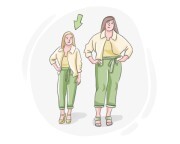
Ex: The current trend in fashion includes bold patterns and vibrant colors. 
Close
Sign in
extent
extent
[noun]

the point or degree to which something extends

Close
Sign in
dainty
dainty
[Adjective]

pleasantly small and attractive, often implying a sense of elegance

Ex: The dainty woman captivated everyone with her small, attractive frame and charming smile. 
Close
Sign in
in line with
in line with
[preposition]

used to convey that someone or something is conforming to a particular standard, guideline, or expectation

Ex: The company's decision to raise employee salaries is in line with its commitment to fair compensation practices. 
Close
Sign in
stress
stress
[noun]

force applied to a material that produces strain or deformation

Ex: The beam experienced stress under heavy load. 
Close
Sign in
to drag
to drag
[Verb]

to compel or force someone or something to come along against their will
Ex: The reluctant child had to be dragged to school every morning, protesting the entire way. 
Close
Sign in
across
across
[preposition]

during a period of time

Ex: The idea of freedom has resonated across generations. 
Close
Sign in
colony
colony
[noun]

(biology) a community of plants or animals that live close to each other in the same place

Close
Sign in
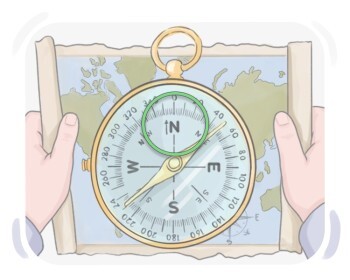
northward
northward
[Adverb]

to the direction of north

Ex: The explorers journeyed northward, crossing icy tundras and dense forests. 
Close
Sign in
LanGeek
Download LanGeek app