pattern

Cambridge IELTS 19 - Academic - Test 4 - Reading - Passage 1 (3)

Here you can find the vocabulary from Test 4 - Reading - Passage 1 (3) in the Cambridge IELTS 19 - Academic coursebook, to help you prepare for your IELTS exam.

Review

Flashcards

Forms

Spelling

Quiz
Start learning
Cambridge IELTS 19 - Academic
to restrict

to impose limits or regulations on someone or something, typically to control or reduce its scope or extent

Ex: The dietitian recommended restricting sugar intake to improve overall health. 
Close
Sign in
to emerge
to emerge
[Verb]

to come out from a protective covering, like an egg or cocoon
Ex: The caterpillar spun a silk cocoon around itself and later emerged as a beautiful butterfly. 
Close
Sign in
worryingly
worryingly
[Adverb]

in a manner that causes concern or unease
Ex: The patient's fever rose worryingly high overnight. 
Close
Sign in
specific
specific
[Adjective]

related to or involving only one certain thing
Ex: The doctor prescribed a specific medication to treat the patient's symptoms. 
Close
Sign in
habitat
habitat
[noun]

the place or area in which certain animals, birds, or plants naturally exist, lives, and grows

Ex: Coral reefs provide a rich habitat for thousands of marine species. 
Close
Sign in
to relate
to relate
[Verb]

to be linked or connected in a cause-and-effect relationship
Ex: The rise in global temperatures relates directly to increased carbon emissions from human activities. 
Close
Sign in
diet
diet
[noun]

the types of food or drink that people or animals usually consume
Ex: The cat's diet mainly consisted of dry kibble and occasional wet food for variety. 
Close
Sign in
to tend
to tend
[Verb]

to be likely to develop or occur in a certain way because that is the usual pattern
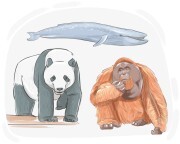
Ex: Some plants tend to thrive in direct sunlight, while others prefer shade. 
Close
Sign in
endangered
endangered
[Adjective]

(of an animal, plant, etc.) being at risk of extinction
Ex: The endangered sea turtle population is declining rapidly due to pollution and habitat destruction. 
Close
Sign in
woodland
woodland
[noun]

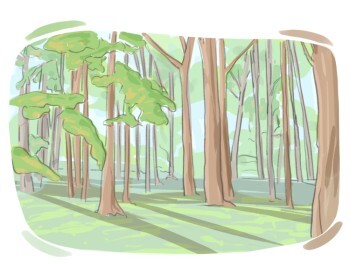
land that is filled with many trees

Ex: The hikers set off on a trail through the dense woodland to reach the mountain summit. 
Close
Sign in
limestone
limestone
[noun]

a hard gray or white rock that contains calcium and is used for making cement or as a building material
Close
Sign in
pavement
pavement
[noun]

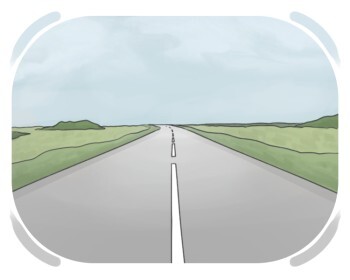
the hard surface of a road covered with concrete or tarmac

Ex: The city's main streets are all paved with smooth pavement. 
Close
Sign in
single
single
[Adjective]

existing alone without any others of the same kind
Ex: He was the single survivor of the tragic accident, left to tell the story. 
Close
Sign in
undoubtedly
undoubtedly
[Adverb]

used to say that there is no doubt something is true or is the case
Ex: She is undoubtedly the best candidate for the job, given her experience and skills. 
Close
Sign in
sole
sole
[Adjective]

existing without any others of the same type

Ex: She was the sole survivor of the shipwreck, stranded alone on the deserted island. 
Close
Sign in
cause
cause
[noun]

an event, thing, or person that gives rise to something

Ex: The sudden drop in temperature was the cause of the heavy snowfall. 
Close
Sign in
to play
to play
[Verb]

to actively influence or impact a situation, event, or outcome
Ex: Every citizen has a role to play in building a strong and cohesive community. 
Close
Sign in
part
part
[noun]

the effort contributed by a person in bringing about a result

Close
Sign in
downfall
downfall
[noun]

a sudden decline in strength or number or importance

Close
Sign in
capacity
capacity
[noun]

the ability or power to achieve something or develop into a certain state in the future

Ex: With the right training, he has the capacity to become a world-class athlete. 
Close
Sign in
continental
continental
[Adjective]

being or concerning or limited to a continent especially the continents of North America or Europe
Close
Sign in
sufficiently
sufficiently
[Adverb]

to a degree or extent that is enough

Ex: She was sufficiently prepared to handle the complex questions during the interview. 
Close
Sign in
therefore
therefore
[Adverb]

used to suggest a logical conclusion based on the information or reasoning provided
Ex: The team worked efficiently, and therefore, they completed the project ahead of schedule. 
Close
Sign in
to switch
to switch
[Verb]

to change from one thing, such as a task, major, conversation topic, job, etc. to a completely different one

Ex: After completing the morning meeting, she decided to switch tasks and focus on a different project. 
Close
Sign in
additional
additional
[Adjective]

added or extra to what is already present or available
Ex: They needed to purchase additional supplies to complete the project. 
Close
Sign in
potentially
potentially
[Adverb]

in a manner expressing the capability or likelihood of something happening or developing in the future

Ex: The new investment could potentially bring significant returns. 
Close
Sign in
to spot
to spot
[Verb]

to notice or see someone or something that is hard to do so

Ex: The hiker could spot the rare bird perched high in the trees. 
Close
Sign in
at risk
at risk
[phrase]

prone to danger or harm

Ex: Adults were also at risk from epidemics. 
Close
Sign in
much
much
[Adverb]

used to indicate a clear difference or superiority
Ex: He was much the brightest child in the class. 
Close
Sign in
sought-after
sought-after
[Adjective]

being searched for

Close
Sign in
significant
significant
[Adjective]

important or great enough to be noticed or have an impact
Ex: The discovery of the ancient artifact was significant for understanding the region's history. 
Close
Sign in
considerable
considerable
[Adjective]

large in quantity, extent, or degree

Ex: The project required a considerable amount of funding to cover all expenses and ensure its success. 
Close
Sign in
solely
solely
[Adverb]

with no one or nothing else involved

Ex: The decision was made solely to improve efficiency. 
Close
Sign in
honeysuckle

a climbing plant with fragrant flowers that are pink, white, or yellow in color

Ex: The garden trellis was draped in honeysuckle, its sweet fragrance attracting bees and butterflies throughout the summer. 
Close
Sign in
due to
due to
[preposition]

as a result of a specific cause or reason
Ex: The flight delay was due to heavy fog at the airport. 
Close
Sign in
at present
at present
[Adverb]

at the current moment or during the existing time
Ex: The store is closed at present for inventory management. 
Close
Sign in
predator
predator
[noun]

any animal that lives by hunting and eating other animals
Ex: The lion is a formidable predator, using its strength and agility to hunt large herbivores such as zebras and wildebeests. 
Close
Sign in
creature
creature
[noun]

any living thing that is able to move on its own, such as an animal, fish, etc.
Ex: The forest was teeming with creatures of all shapes and sizes, from tiny insects to large mammals. 
Close
Sign in
to alter
to alter
[Verb]

to cause something to change

Ex: New technologies can greatly alter the way we live and communicate. 
Close
Sign in
reduced
reduced
[Adjective]

lower than usual or expected in amount or quantity

Ex: The company’s reduced profits this quarter were attributed to increased competition and higher operational costs. 
Close
Sign in
lifespan
lifespan
[noun]

the total amount of time that an organism, person, or object is alive or able to function

Ex: Some species of turtles have a lifespan of over 100 years. 
Close
Sign in
clear
clear
[Adverb]

in a way that is easily understood or audible

Ex: The teacher explained the concept loud and clear to the students. 
Close
Sign in
adaptation

the process by which organisms evolve traits that improve their chances of survival and reproduction in a particular environment

Ex: Camouflage is an adaptation that helps animals avoid predators. 
Close
Sign in
amateur
amateur
[Adjective]

done for recreation, not as an occupation
Ex: She had an amateur interest in painting, often creating artworks in her spare time. 
Close
Sign in
watcher
watcher
[noun]

a close observer; someone who looks at something (such as an exhibition of some kind)

Close
Sign in
to appear
to appear
[Verb]

to be seen or arrive at a particular place

Ex: By noon, the bus still hadn't appeared, leaving the commuters waiting anxiously at the stop. 
Close
Sign in
to occupy
to occupy
[Verb]

to take up, cover, or use the entire space or extent of something

Ex: The large bookshelf occupied the entire wall, showcasing an extensive collection of novels and reference materials. 
Close
Sign in
to specialize

to modify or design an organ or part of something to serve a specific purpose or function

Ex: The bird's beak has specialized to help it extract nectar from flowers. 
Close
Sign in
coppiced
coppiced
[Adjective]

(of trees or shrubs) regularly cut back to the ground to encourage new growth

Ex: The coppiced woodland provided fresh shoots for wildlife to feed on. 
Close
Sign in
all is not lost
all is not lost
[sentence]

used to say that there is still hope or a chance to succeed, even if things seem difficult or uncertain

Ex: All is not lost, we can try again tomorrow. 
Close
Sign in
to extract

to use pressure, manipulation, or other means to obtain what is desired

Ex: The ruthless gangster had a reputation for extracting protection money from local businesses. 
Close
Sign in
warning sign

something that shows there may be danger, trouble, or a problem ahead

Ex: The dark clouds were a warning sign of the coming storm. 
Close
Sign in
LanGeek
Download LanGeek app