Cambridge IELTS 19 - Academic - Test 4 - Listening - Part 4 (3)

Here you can find the vocabulary from Test 4 - Listening - Part 4 (3) in the Cambridge IELTS 19 - Academic coursebook, to help you prepare for your IELTS exam.

review-disable

review

flashcard-disable

flashcard

spelling-disable

spelling

quiz-disable

quiz

start-learning
Cambridge IELTS 19 - Academic

a group of organisms of the same species inhabiting a given area

central [adjective]

very important and necessary

Ex: Education is central to individual growth and societal progress .
tropical [adjective]

associated with or characteristic of the tropics, regions of the Earth near the equator known for their warm climate and lush vegetation

Ex: She enjoyed vacationing in tropical destinations with sandy beaches and clear blue waters .

to increase the speed of movement; to move faster

Ex: As the rocket ascended , its engines continued to accelerate , pushing it further into the Earth 's atmosphere .

to help or support the progress or development of something

Ex: The government launched a campaign to promote environmental conservation and sustainability .
regrowth [noun]

the process of new growth returning after something has been removed, damaged, or lost

Ex: Regrowth of the grass was seen within weeks of the mowing .
unlike [preposition]

used to introduce differences between two things or people
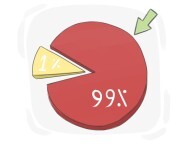
Ex: Unlike yesterday , today 's weather is sunny and warm .
majority [noun]

the larger part or number of a given set or group

Ex: The majority of the class agreed on extending the deadline for the assignment .
to bear [verb]

to yield or produce, especially in reference to fruit or flowers

Ex: The well-tended garden is likely to bear a variety of vegetables throughout the growing season .
reliable [adjective]

able to be trusted to perform consistently well and meet expectations

Ex: Despite challenges , the reliable employee consistently meets deadlines and exceeds expectations .

to spread or distribute something widely over an area
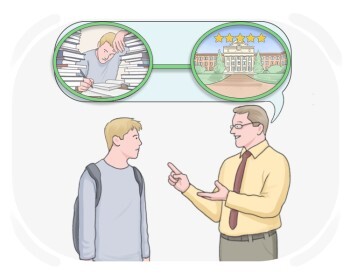
Ex: The park ranger used a helicopter to disperse seeds over the burnt areas of the forest to aid in regeneration .

the elimination of fecal waste through the anus

to seek information or advice from someone, especially before making a decision or doing something

Ex: I consulted with my friends before making a decision about which college to attend .
mangrove [noun]

a tropical tree or shrub bearing fruit that germinates while still on the tree and having numerous prop roots that eventually form an impenetrable mass and are important in land building
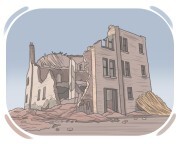
the action or process of causing significant damage to something, rendering it unable to exist or continue in its normal state

Ex: The demolition crew 's destruction of the old building made way for new development .

the fact or state of having a regular paid job

Ex: His employment as a software engineer allowed him to work remotely from home , which he enjoyed .
coastal [adjective]

related to or situated along the coast, the area where land meets the sea

Ex: The coastal region is home to diverse marine life , including fish , dolphins , and seabirds .
to hire [verb]

to pay someone to do a job

Ex: They will hire a chef for the upcoming event .
to care [verb]

to attend to the needs, safety, and happiness of someone or something
Ex:

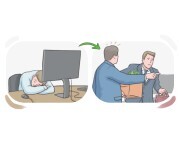
to cause something to occur

Ex: Insufficient preparation can result in failure in an exam .
aquatic [adjective]

related to or adapted for living or functioning in water

Ex: Aquatic plants , such as algae and seaweed , thrive in freshwater and marine environments .
defense [noun]

protection against harm or danger

Ex: Guard dogs are trained for home defense .
threat [noun]

something that poses danger or the possibility of harm
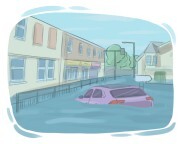
Ex: The police quickly responded to the bomb threat called in at the downtown office building .
flooding [noun]

the fact or presence of water covering a part of land that is typically dry

Ex: Flash flooding in urban areas can cause traffic disruptions and property damage .
stable [adjective]

remaining constant or steady over time

Ex: The population of the town has remained stable for the past decade .
point [noun]

the most important thing that is said or done which highlights the purpose of something
Ex: The key point of the presentation was to emphasize the company 's growth strategy .

to think about something carefully before making a decision or forming an opinion

Ex: He carefully considered all the job offers before making a decision .
sustainable [adjective]

able to continue for a long period of time

Ex: The community garden provided sustainable access to fresh produce for local residents .
to base [verb]

to build something upon a certain foundation or principle, or to use it as a starting point for further growth or development

Ex:
accurate [adjective]

(of measurements, information, etc.) free from errors and matching facts
Ex: The data was checked and found to be accurate , with no discrepancies .

to expose someone or something to potential harm or risk

Ex: Disposing of hazardous materials improperly may endanger the environment .
variety [noun]

a range of things or people with the same general features but different in some details

Ex: The school hosts a variety of extracurricular activities , catering to different interests and talents .
e.g. [adverb]

used before providing an example

Ex: The company offers various employee benefits , e.g. , health insurance , retirement plans , and paid time off .

a person, animal, or tool that spreads things like seeds, particles, or substances over a wide area

Ex: The chemical disperser quickly spread the liquid through the water .
Madagascan [adjective]

relating to Madagascar, its people, culture, language, etc.

Ex: The Madagascan language , Malagasy , is spoken by the people of the island .
healthy [adjective]

being in good condition and free from disease or damage

Ex: The river supports a healthy aquatic environment for fish .
Cambridge IELTS 19 - Academic
Test 1 - Listening - Part 1 Test 1 - Listening - Part 2 Test 1 - Listening - Part 3 (1) Test 1 - Listening - Part 3 (2)
Test 1 - Listening - Part 4 (1) Test 1 - Listening - Part 4 (2) Test 1 - Reading - Passage 1 (1) Test 1 - Reading - Passage 1 (2)
Test 1 - Reading - Passage 2 (1) Test 1 - Reading - Passage 2 (2) Test 1 - Reading - Passage 2 (3) Test 1 - Reading - Passage 3 (1)
Test 1 - Reading - Passage 3 (2) Test 1 - Reading - Passage 3 (3) Test 2 - Listening - Part 1 Test 2 - Listening - Part 2 (1)
Test 2 - Listening - Part 2 (2) Test 2 - Listening - Part 3 (1) Test 2 - Listening - Part 3 (2) Test 2 - Listening - Part 4 (1)
Test 2 - Listening - Part 4 (2) Test 2 - Reading - Passage 1 (1) Test 2 - Reading - Passage 1 (2) Test 2 - Reading - Passage 1 (3)
Test 2 - Reading - Passage 2 (1) Test 2 - Reading - Passage 2 (2) Test 2 - Reading - Passage 2 (3) Test 2 - Reading - Passage 3 (1)
Test 2 - Reading - Passage 3 (2) Test 2 - Reading - Passage 3 (3) Test 3 - Listening - Part 1 Test 3 - Listening - Part 2 (1)
Test 3 - Listening - Part 2 (2) Test 3 - Listening - Part 3 (1) Test 3 - Listening - Part 3 (2) Test 3 - Listening - Part 4 (1)
Test 3 - Listening - Part 4 (2) Test 3 - Reading - Passage 1 (1) Test 3 - Reading - Passage 1 (2) Test 3 - Reading - Passage 1 (3)
Test 3 - Reading - Passage 2 (1) Test 3 - Reading - Passage 2 (2) Test 3 - Reading - Passage 2 (3) Test 3 - Reading - Passage 3 (1)
Test 3 - Reading - Passage 3 (2) Test 3 - Reading - Passage 3 (3) Test 3 - Reading - Passage 3 (4) Test 4 - Listening - Part 1 (1)
Test 4 - Listening - Part 1 (2) Test 4 - Listening - Part 2 (1) Test 4 - Listening - Part 2 (2) Test 4 - Listening - Part 3 (1)
Test 4 - Listening - Part 3 (2) Test 4 - Listening - Part 4 (1) Test 4 - Listening - Part 4 (2) Test 4 - Listening - Part 4 (3)
Test 4 - Reading - Passage 1 (1) Test 4 - Reading - Passage 1 (2) Test 4 - Reading - Passage 1 (3) Test 4 - Reading - Passage 2 (1)
Test 4 - Reading - Passage 2 (2) Test 4 - Reading - Passage 2 (3) Test 4 - Reading - Passage 2 (4) Test 4 - Reading - Passage 3 (1)
Test 4 - Reading - Passage 3 (2) Test 4 - Reading - Passage 3 (3) Test 4 - Reading - Passage 3 (4)